Argentina and Spain trade punches after the final whistle, but the real fight is over what the World Cup was for
A melee on the pitch in the World Cup final has already been reframed by every interested party. The harder question is what the tournament was actually selling, and to whom.
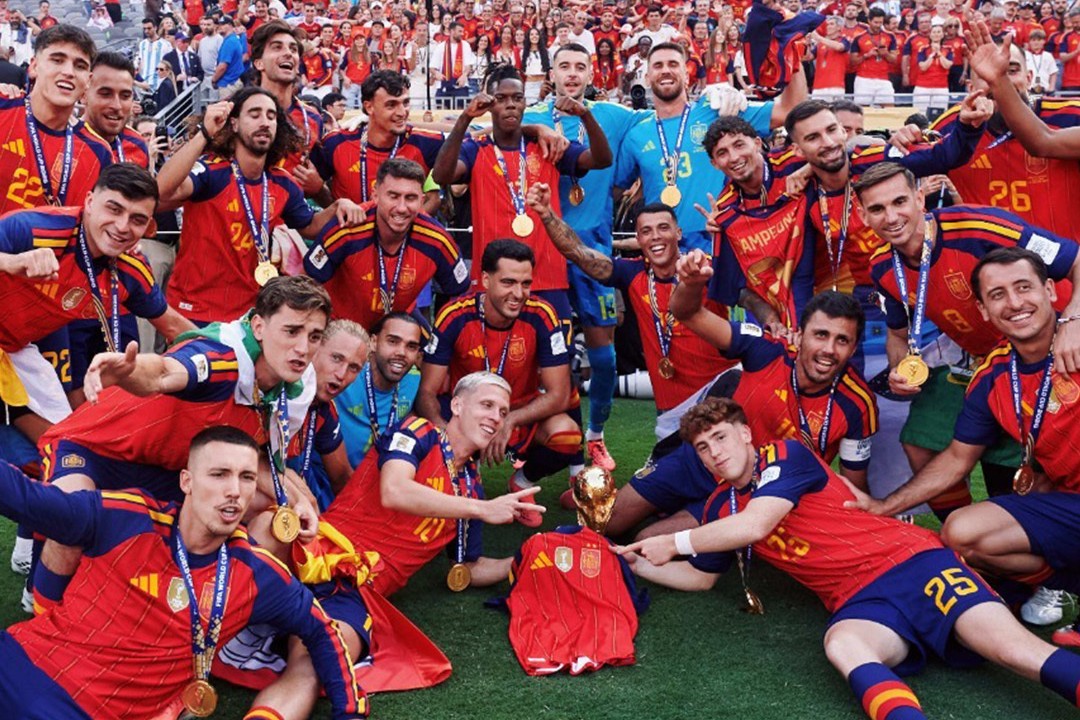
At the final whistle in Moscow-style summer heat, Argentina and Spain's players converged near the centre circle at the end of the 2026 World Cup final on 19 July 2026, and what had been a tactical chess match for 120 minutes collapsed into a shoving match, swinging arms, and a bench-clearing melee that television directors scrambled to cut away from. The Indian Express reported on 20 July 2026 that an "ugly brawl" broke out between the two squads immediately after full time, with players and substitutes spilling onto the pitch as staff from both dugouts sprinted toward the touchline. Cameras caught at least one Argentine player throwing a punch at a Spanish defender, and Spain's captain remonstrating with the referee as stadium security formed a cordon between the two groups.
The pictures were unflattering in the obvious ways. They were also a useful distraction from a question that had been waiting since kick-off: what, exactly, was this tournament for, beyond the trophy? The contest on the field was high-grade. The contest off it, over the meaning of the event, had been running for months, and the post-final brawl merely ensured that argument would outlast the confetti.
What the brawl actually was
Indian Express's account, timestamped 02:52 UTC on 20 July 2026, frames the incident as a flashpoint rather than a coordinated confrontation. The match had ended; substitutes and staff who do not normally share pitch space were on it simultaneously; testosterone and national pride did the rest. Argentina, the defending champions, had been chasing the match for long stretches. Spain, the side built on the possession orthodoxy inherited from Luis Aragonés and refined at the 2010 World Cup and across the European Championships of 2008, 2012 and 2024, finished the contest with the structural control their model promises. That is a maddening thing to lose against.
There is no clean version of the fracas. Argentine players will say provocation preceded the first shove. Spanish staff will say the retaliation was disproportionate. Refereeing notes, when FIFA publishes them, will probably cite "mass confrontation" and hand out suspensions to two or three names from each side. The brawl is the kind of incident that gets a hashtag, a few thousand column inches, and then is folded into the official tournament film as a blemish. The harder fight was happening elsewhere.
The coaching argument Spain imported
Indian Express flagged the same morning that "the World Cup is over. Spain's coaching revolution isn't." That framing is correct, and it is also the frame FIFA quietly wanted. Spain's football project, the one that produced the 2008-2012 cycle and re-emerged under Luis de la Fuente after a decade of false starts, treats the coach as the conductor of a possession-based system rather than as a motivational figurehead. The model exports well because it travels in ideas rather than players: federations from Morocco to Japan have hired Spanish technical directors in the last five years. Argentina's academy pipeline, by contrast, exports finished talent rather than a system; the country sells players, the Spanish federation sells a method.
That asymmetry is now the most durable outcome of this World Cup, regardless of the medal. Spain won the final, the Spanish federation will argue, because the structural argument is sound. Argentina will argue the opposite, and will point to the brawl as evidence that, when the system meets a player pool willing to impose itself physically, the orthodoxy cracks. Both readings are partial. The Spanish model does not eliminate physical confrontation; it minimises it by controlling where the ball is. Argentina's player-pool model does not require systemic coherence; it requires exceptional individuals in decisive positions. The final tested both claims and left both intact, which is precisely why the result will be contested in coaching clinics from Buenos Aires to Barcelona for the next four years.
What FIFA is selling, and to whom
The 2026 edition was the first 48-team World Cup, hosted across three North American countries, with a prize pool and broadcast structure that dwarfed any previous tournament. Indian Express's sports desk treated the brawl as the lead item in its Monday bulletin, but the second-order story is that the tournament functioned as a multi-week product placement for a sport-as-infrastructure thesis: that the World Cup is now primarily a real-estate play, a media-rights negotiation, and a soft-power asset, and only secondarily a sporting event. The brawl generated the kind of spontaneous, ungovernable content that no marketing department can manufacture, which is why it has already been licensed, clipped and shipped to short-form platforms before the trophy was lifted.
The uncomfortable corollary is that a tournament this large, this corporate, this distributed across national broadcasters and streaming services, cannot help but also be a diplomatic object. Argentina's government, in midterm-economy crisis, needed the distraction. Spain's federation, facing a domestic league whose TV revenues trail the Premier League's, needed the prestige. Both got what they wanted, plus a fight.
What the next four years will look like
FIFA's disciplinary committee will hand down sanctions in the week beginning 27 July 2026, by which point the footage will already have been processed into highlight reels and political memes. The more consequential fights will play out on the touchline and in the technical areas: expect a flood of Spanish-system disciples into South American federation roles, and expect Argentine clubs to argue, more loudly, that their development model is being absorbed rather than respected. The coaching argument is the argument that lasts; the brawl is just the most recent and most photogenic proxy for it.
The honest uncertainty is what FIFA itself does with the footage. The federation has spent the last cycle positioning the World Cup as a unified global product. A centre-circle brawl between two of the sport's flagship national teams punctures that image in a way no marketing team can spin, and it will be interesting to see whether the official film leans into the human spectacle or tries to edit around it. Both choices are revealing.
Desk note: this publication treated the on-pitch melee as the entry point rather than the story, because the more durable question is what the tournament's structural design rewards. Monexus framed the final as a contest between two competing national models of football development, not as a refereeing incident.