An enemy dies, and the cameras stay on
The death of a US senator who built a career on hostility to Tehran turned into a referendum on what passes for restraint in 2026, on both sides of the Atlantic.
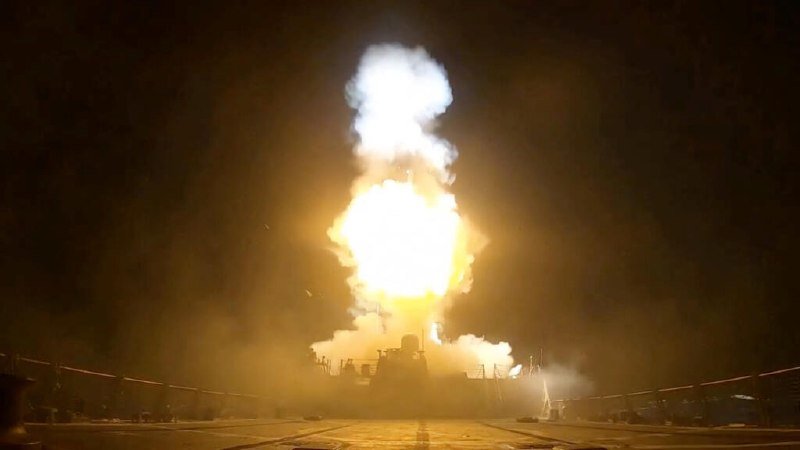
On 12 July 2026, state-affiliated Iranian outlets did not bury the lede. The presenter on the "Khabar" network read the death of US Senator Lindsey Graham twice, on air, because, as the channel put it, the news was "so sweet" it deserved repetition. A rival network described Graham, the Republican chair of the Senate Armed Services Committee, as "the anti-Iranian senator" who "has gone to hell." Professor Mohammad Marandi, a member of the Iranian negotiating delegation, joined the chorus from his own platform within hours. By 09:48 UTC, an account aligned with the Islamic Republic's military wing had resurfaced a six-day-old Graham tweet in which he appeared to mock the prospect of Iranian retaliation.
The point is not whether the senator deserves the public grief of an enemy. The point is the speed and ceremony of it, the choreography, and what that choreography tells us about where the information war actually sits in 2026.
Death, but make it content
For the better part of two decades, Lindsey Graham cultivated a specific foreign-policy persona: the senator who could be counted on to call for strikes on Iran, who framed every nuclear negotiation as capitulation, who treated the Islamic Republic as an intelligence problem with a defence-budget solution. Israeli Prime Minister Benjamin Netanyahu's office, for its part, was unequivocal within hours of the senator's death being confirmed. "We mourn the passing of Senator Graham," Netanyahu wrote, recalling his last meeting and quoting himself: "We have no better friend than Lindsey." The two had a public relationship; both treated the other as a useful ally. That much is on the record, and there is no reason to be coy about it.
What is new is that the Iranian response was broadcast on the same news cycle, in near real time, with the explicit framing of a regime victory. State television anchors do not normally anchor twice on the death of a single foreign legislator; they do so when the symbolism is itself the message.
A history the cameras left out
Graham's standing with Tehran is not mysterious. He championed the 2015 sanctions architecture that followed the abandoned Joint Comprehensive Plan of Action and pushed, repeatedly, for the kind of military action against Iranian nuclear infrastructure that the Obama and Biden administrations declined to authorise. Iranian state media has long catalogued his statements as a standing indictment of American intentions. The six-day-old tweet, in which he appeared to dismiss the threat of Iranian retaliation, was the perfect exhibit for a regime trying to demonstrate a long-held argument: that US officials bait the Islamic Republic and expect restraint, while demanding the right to unlimited escalation.
That is a contestable read, but it is not a fantasy. It is the read the Iranian state is selling to a domestic and regional audience that has watched the senator for years. The Marandi intervention adds a layer worth marking. Marandi sits, at least nominally, on the Iranian negotiating delegation; he is not a fringe commentator. His mocking tone, then, is not a rogue act but a feature of how Tehran calibrates the temperature of public commentary around its own diplomacy. Even when the regime's envoys sit in a European hotel suite with American counterparts, a senior adviser can appear to celebrate the death of a US senator in the same news cycle.
What the framing misses
Western coverage of the moment will default, predictably, to a morality play: Iranian state TV is monstrous, Iranian professors are crude, the senator was a friend of Israel. None of that is wrong, exactly. It is also not the whole story.
The structural fact is that US-Iranian enmity has been performed, on both sides, as content for at least fifteen years. Graham's social-media persona was part of that performance. Israeli prime ministers did not hide the fact that they treated the senator as a friend, and Netanyahu's office did not delay its tribute by even a news cycle. The Iranian response, however theatrical, was the predictable mirror of a posture that the senator himself cultivated for the duration of his public career. The interesting question is not who is being obscene. It is what kind of political relationship, in 2026, requires both sides to be obscene in public, and what work that obscenity does for the governments involved.
The cameras were always on
The seriousness of what remains uncertain should be stated plainly. The senator's reported cause of death has not been independently corroborated in the source items available to this publication, and the Iranian state's glee is not, on its own, evidence of any Iranian action. What is corroborated is the broadcast: Khabar's double read at 09:15 UTC, the rival network's commentary at 09:43 UTC, the military-aligned account's curated tweet at 09:48 UTC, Netanyahu's tribute at 09:07 UTC, Marandi's intervention by 08:33 UTC. The cameras were always on, on every side, and they were already pointed.
In the end, the most useful thing to say is the most uncomfortable. The senator spent years helping to ensure that the cameras pointed at Iran, and that the cameras pointed back. The broadcast on 12 July 2026 is not an aberration. It is the product, on schedule, of a relationship that was content all the way down.
Desk note: This is an opinion piece written by the Monexus Staff Writer desk. Where the Iranian state line and the Israeli-Western establishment line differ, both have been quoted; the editorial judgment above is Monexus's own.
Wire provenance
This editorial synthesis draws on the following public wire/social posts:
- https://t.me/IRIran_Military
- https://t.me/ClashReport
- https://t.me/amitsegal
- https://t.me/IRIran_Military/2
- https://t.me/englishabuali