The Daily Verse as Diplomacy: Reading Khamenei's Telegram Feed in 2026
Khamenei's English and Arabic Telegram channels post mostly Qur'anic reflections, seasonal blessings, and clerical congratulations. The cadence, not the occasional crisis caption, is the signal mainstream wire coverage routinely ignores.
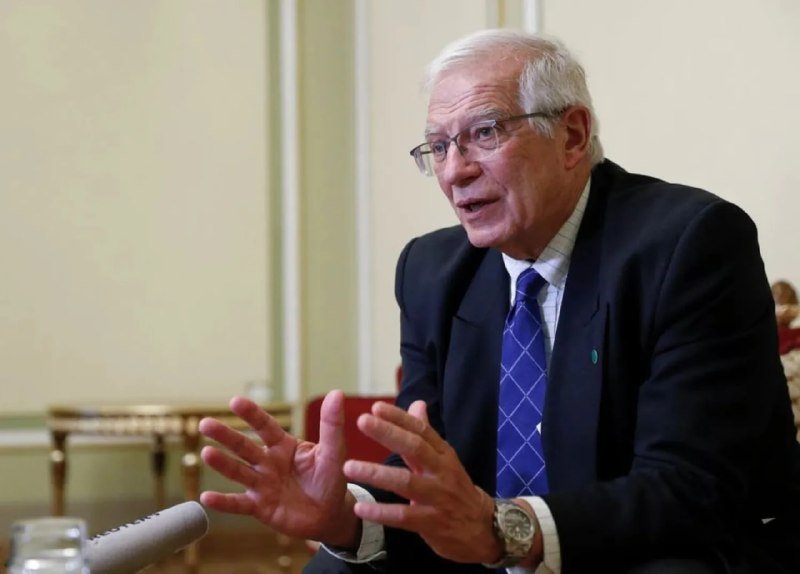
On 21 June 2026, Supreme Leader Ali Khamenei's English-language Telegram channel reposted a single devotional verse. No policy, no speech, no crisis warning. Just a line of commentary on the recitation of the Qur'an, shared with a quarter-million followers. Three days later, the same channel posted a congratulatory message to Iran's national football team after a World Cup qualifier, and by week's end had cycled back to another meditation on a Qur'anic sura.
The rhythm itself is the signal. Through the first half of 2026, the cadence on t.me/Khamenei_en and its Arabic-language counterpart t.me/Khamenei_arabi has been overwhelmingly devotional: passages of Qur'anic recitation, reflections on Shia ritual observance, seasonal greetings tied to the Islamic calendar, and the occasional congratulation to an athlete or poet. Crisis messaging exists, but it lives a layer down the feed, separated from the steady drip of scripture and seasonal blessing.
The mainstream wire reading of Khamenei's output has been event-driven: the rare threatening caption gets a Bloomberg headline, the rare Arabic-language security pronouncement gets translated, the rest disappears into the archive. Monexus takes the inverted approach. The devotional cadence is itself a diplomatic instrument, the visible surface of a regime whose own constitution vests ultimate authority in a jurist-theologian rather than a state apparatus. Reading the feed in cadence, rather than in crisis, reveals what the crisis coverage routinely misses.
The slow drip of theological capital
The English channel, which has roughly 240,000 subscribers as of late June 2026, posts in bursts tied to the Islamic calendar. The pattern visible across the spring and early summer months is consistent: a dense cluster around the month of Ramadan, a marked peak during the commemoration days of Muharram, and a base rate of one to three posts a day between peaks. Most posts are reposts from Iranian state media or from Khamenei's official website; original text on the Telegram surface is comparatively rare.
The Arabic channel carries a different editorial weight. It speaks to a different audience: Shia communities across Lebanon, Iraq, the Gulf, and the diasporas of Beirut and Bahrain who read Khamenei not as a distant head of state but as a marja. The Arabic feed mixes the same Qur'anic reflections with regional political signals that the English channel softens or omits. A reader who watches both simultaneously sees two registers running in parallel: one calibrated for the Western wire and the curious English-speaking observer, one calibrated for the confessional audience Iran's regional posture actually depends on.
What the wire sees, and what it doesn't
Consider how a 15 June 2026 post would travel. The English-language channel shared a verse on the spiritual merit of recitation; the Arabic-language channel shared a congratulatory note to a cleric on the anniversary of his ordination. Neither triggered a Reuters alert. Neither made it into the European or American morning brief. By the standards of Western wire desks, neither event was an event at all.
That absence is the point. The regime's information operation is calibrated for a domestic and regional audience that consumes Khamenei's utterances as continuous religious instruction. To skip the devotional output as filler is to misread the institutional architecture: in Iran, the Supreme Leader's standing inside the system derives as much from the daily display of clerical authority as from any single policy pronouncement. The verse posts are how that authority is maintained in the background while the country's elected presidents, foreign ministers, and IRGC commanders handle the operational tempo of state.
Counter-narrative: the case for ignoring the cadence
There is a competing view, and it deserves stating plainly. Some analysts argue that the devotional output is exactly what it appears to be: a religious office's religious communications, no more strategic than a parish bulletin. On this reading, the regime's actual signalling happens through the foreign minister, the IRGC spokesperson, and the occasional hardline newspaper editorial. The Telegram feeds are a parallel pulpit, not a parallel government.
The case has merit. The English-channel posts rarely break news; reposts from state media are echoes, not origins. A reader trying to forecast next week's negotiations over Iran's nuclear file, or the next incident in the Strait of Hormuz, will find more signal in Reuters and the official IRNA wire than in a verse on the recitation of Sura Al-Rahman.
But that framing mistakes Khamenei's role. The Supreme Leader is not the Iranian government's spokesperson; he is the body that authorises, restrains, or disavows its actions. Watching the cadence tells the reader what the office is reinforcing, what kind of authority it is visibly performing, and which audiences it is performing for. That record matters precisely because it is not in the headlines.
A regime built on continuous publication
The structural condition behind the cadence is constitutional. Iran's 1979 constitution, still in force in 2026, vests sovereign authority in the Office of the Supreme Leader, exercised through appointed clerics, the IRGC, and a managed system of elected institutions. The office's domestic legitimacy flows from public demonstrations of theological standing: the right to interpret, the right to bless, the right to address the faithful on the calendar's recurring occasions. When the English and Arabic channels post together on a single theme within hours of each other, they are operating on that constitutional mandate in real time.
This is what makes the devotional reading legible. Foreign ministries send communiqués; the Supreme Leader's office sends verses, which are then cited by ministers, clerics, and provincial officials in the days that follow. The Telegram feeds sit at the head of that chain. Reading them only during crisis windows is like reading a central bank's policy statement only when markets move: it captures the noise and misses the operating system.
What to watch through summer
The next several weeks will test whether the cadence changes. The Islamic calendar's minor commemorations run continuously through July; Ramadan returns in early 2027 after the intervening lunar cycle. If the English channel's post rate climbs, or if the Arabic feed begins carrying more security-coded language ahead of the EU's October deadline on China's trade imbalances (a deadline Beijing is publicly pressing its Iranian partners to coordinate against), the shift will register first on these two channels, not on the wires.
That is the discipline. The slow drips of Qur'anic recitation and clerical congratulation, posted to a quarter-million English readers and a parallel Arabic-language audience, are the visible surface of an office whose authority depends on continuous publication. Read in cadence, they show how Iran's senior jurist governs in the gaps between crises. Read only in crisis, they show nothing at all.
Sources
- https://t.me/Khamenei_en
- https://t.me/Khamenei_en/32317
- https://t.me/Khamenei_arabi
- https://www.scmp.com/news/china/diplomacy/article/3358808/eu-sets-october-deadline-tangible-results-china-imbalances-after-key-trade-talks
Desk note: Where the European and American wires cover Khamenei's output only when it is event-shaped, Monexus reads the calendar of posts itself as the event, on the premise that an office whose authority rests on continuous theological publication cannot be understood by waiting for the headline.