Hormuz and Arrow 3: Two Crises, One Overstretched Power
As Iran dangles the Strait of Hormuz as diplomatic bait and Israel confronts an interceptor shortfall, the structural pressure on US regional posture becomes impossible to ignore.
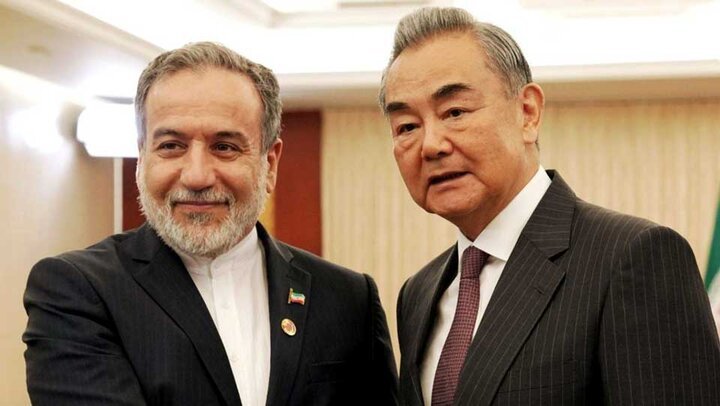
The Strait of Hormuz has not been officially closed. But the message Tehran appears to be sending—through channels, through intermediaries, through the careful orchestration of a two-stage proposal—is unambiguous: the chokepoint can become one. On 3 May 2026, reports emerged that Iran had floated a plan linking the reopening of the Strait and the lifting of a US naval presence to broader talks on its nuclear program. The sequence matters. Iran wants the pressure removed before it discusses the enrichment that justified the pressure in the first place.
Simultaneously—and this is the detail that should concentrate minds in Tel Aviv and Washington alike—the Knesset Foreign Affairs and Defense Committee convened an emergency session on 3 May 2026 over a shortage of Arrow 3 interceptor missiles. Lawmakers had raised concerns; the committee listened. The Arrow 3 system is Israel's upper-tier defense against long-range ballistic threats. Running low on it is not a logistics problem. It is a strategic exposure.
Taken separately, each development is a data point. Taken together, they expose something structural: the United States is managing multiple high-intensity pressure points in the Middle East simultaneously, and the architecture of that management is showing seams.
The Hormuz Gambit and Its Logic
The Strait of Hormuz is approximately 21 miles wide at its narrowest. Roughly 20 percent of global oil trade passes through it. For decades, the US Navy has operated there not merely as a presence but as a guarantor—a signal that the flow of energy will not be interrupted by coercion. Iran has always understood this. Its Revolutionary Guard Corps naval assets, its anti-ship missiles, its small-boat tactics, and its occasional harassment of commercial vessels are all calibrated against that understanding.
The proposal reportedly circulating—reopen Hormuz, lift the naval presence, then discuss nuclear matters—inverts the usual negotiating sequence. Normally, the argument runs, sanctions relief and security assurances come after verifiably halting enrichment. Iran is proposing the reverse: lift the proximate threat (the blockade, or whatever operational encirclement the US has established) and then talk about the deeper issue.
This is not naive. It is a specific ask aimed at a specific vulnerability. The US naval posture in the Gulf is real, but it is also politically costly to maintain. Every carrier group deployed there is a carrier group not deployed elsewhere. Iran knows this. The proposal is an attempt to disaggregate US attention—to get the immediate pressure removed while preserving leverage on the issue that matters most to Tehran.
The Arrow 3 Gap and Its Implications
Israel's Arrow 3 system is designed to intercept ballistic missiles outside the atmosphere. It is the last line before a warhead reaches Israeli territory. The system is produced jointly with Boeing and is manufactured partially in the United States, meaning Israeli stockpiles are subject to production timelines, export licensing, and priority decisions made in Washington.
A shortage of interceptor missiles is not unprecedented—in 2023, Ukraine's Patriot batteries exposed how quickly defensive stocks can be depleted when sustained combat demand meets production constraints. The Arrow 3 shortage appears to be a function of operational tempo, procurement delays, and the specific threat environment Israel now faces, which includes Iranian intermediate-range missiles and the increasingly sophisticated arsenal held by Hezbollah in Lebanon.
The Knesset committee's emergency session reflects something deeper than procurement anxiety. It reflects a state confronting the gap between its declared deterrent posture and its actual inventory. Israel has built much of its national security doctrine on the premise of qualitative military superiority and multi-tier missile defense. When one of those tiers develops a inventory problem, the doctrine has a problem.
Overstretch and Its Disguise
The structural observation here is straightforward: great powers managing far-flung commitments face compounding pressure when multiple theaters demand simultaneous presence. The United States currently operates in a posture that requires it to maintain a naval blockade or semi-blockade posture in the Gulf, provide air defense support for Israel, sustain strategic patience on the Iran nuclear file, and maintain credibility across the Indo-Pacific—all while domestic political arithmetic makes overseas deployment less politically tenable.
This is not an argument for withdrawal. It is an observation about geometry. The Hormuz proposal and the Arrow 3 shortage are not unrelated events happening to share a news cycle. They are different symptoms of the same condition: a posture built on the assumption of unlimited strategic bandwidth confronting a moment when that bandwidth is visibly finite.
What Remains Uncertain
The sources do not specify the current operational status of the US naval presence in the Gulf—whether existing harassment incidents have degraded freedom of navigation, whether commercial shipping insurance premiums have shifted, or whether any specific US official has formally engaged with the Iranian proposal. On the Israeli side, the sources do not disclose the scale of the Arrow 3 shortfall—how many missiles are in inventory, how many were expected, or what the procurement timeline looks like. Those are material omissions that any serious policy assessment would need to address before drawing operational conclusions.
The Stakes
If the Arrow 3 inventory remains constrained and the threat environment continues to deteriorate, Israel faces a choice between accepting greater risk or acting preemptively to degrade threats before they are launched. Neither option is comfortable. If Iran succeeds in separating the Hormuz question from the nuclear question in any diplomatic process, it will have fundamentally altered the negotiating dynamic that has held since 2018. The stakes of each failure compound the other. A US posture that appears overstretched invites probing on multiple fronts simultaneously. The Hormuz proposal and the Arrow 3 shortage are that probing, dressed in different language.
The question is not whether the United States and Israel can respond. The question is whether they can respond to both at once, and what gets sacrificed if they cannot.
Wire provenance
This editorial synthesis draws on the following public wire/social posts:
- https://t.me/osintdefender/4891
- https://t.me/osintdefender/4890
- https://t.me/osintdefender/4889
- https://t.me/osintdefender/4888