India's Monsoon Parliament: Protest, Adjournment, and the Question of an OBC Count
On the opening day of India's monsoon session, MPs demanded a caste census and protesters took to Delhi's streets. The fight over who gets counted is now the fight over who gets anything.
The Indian Express's daily catch-up landed at 16:52 UTC on 21 July 2026 with the same word three times: showdown. Inside the Lok Sabha, opposition benches pressed the Narendra Modi government on a long-promised enumeration of Other Backward Classes, the broad caste bloc that sits below the formal Scheduled Caste and Scheduled Tribe categories and above the general category in India's reservation architecture. Outside, in central Delhi, supporters of the demand marched and shouted. The monsoon session had barely opened and the chamber was already being adjourned.
That the second largest caste category in India is not counted in any current comprehensive national database is the structural fact underneath every slogan on Tuesday. Politicians who support enumeration argue that without numbers there can be no calibrated policy. Politicians who resist it argue the opposite: that a fresh count will harden caste lines the state has spent decades trying to soften. Both readings are plausible. What is not plausible is pretending the question is technical. It is constitutional, electoral, and increasingly combustible.
A chamber built for two days of noise
Indian parliamentary sessions, especially the monsoon window that runs through the rain-bearing months into August, have long functioned as stage-managed pressure valves. The government presents a legislative agenda. The opposition forces adjournments to extract camera time and concessions. The arithmetic is older than the current crop of MPs. Tuesday's edition of the catch-up noted that the Lok Sabha was adjourned within minutes of proceedings beginning, a familiar choreography rather than a collapse of order.
What is newer is the specific demand. Several regional parties and a section of the opposition Indian National Congress have pushed for a national caste census to be conducted alongside the next decennial population census. The last comprehensive caste count was the Mandal-era exercise associated with the recommendations of the Backward Classes Commission under B.P. Mandal in 1980. Since then, India's reservation regime has expanded on legal and political fiat, not on fresh enumeration. Critics call that a fundamental flaw: the share reserved for a category, they argue, should track the share it actually represents in the population.
What the opposition is actually asking for
The phrase on the floor and in the Delhi streets on Tuesday was caste census, not quota. The two are linked but not identical. A census yields a number; a quota is a policy choice that follows from a number. Opposition leaders in both chambers have framed the demand as the prerequisite for any future expansion of reservation, including in private-sector employment and elite educational institutions, where constitutional amendment is not required.
The government's stated position, as reported across the Indian press, has been to commission a fresh enumeration of OBCs without committing to a parliamentary timetable. The distinction is deliberate. A census is a counting exercise. A quota is a redistribution exercise. The first is defensible as data. The second is a redistribution of a finite pie: more seats for OBCs in, say, central universities means fewer for the general category and the existing Scheduled Castes and Scheduled Tribes. The arithmetic guarantees that the politics will be bloody even before the figures are in.
The street, not the chamber
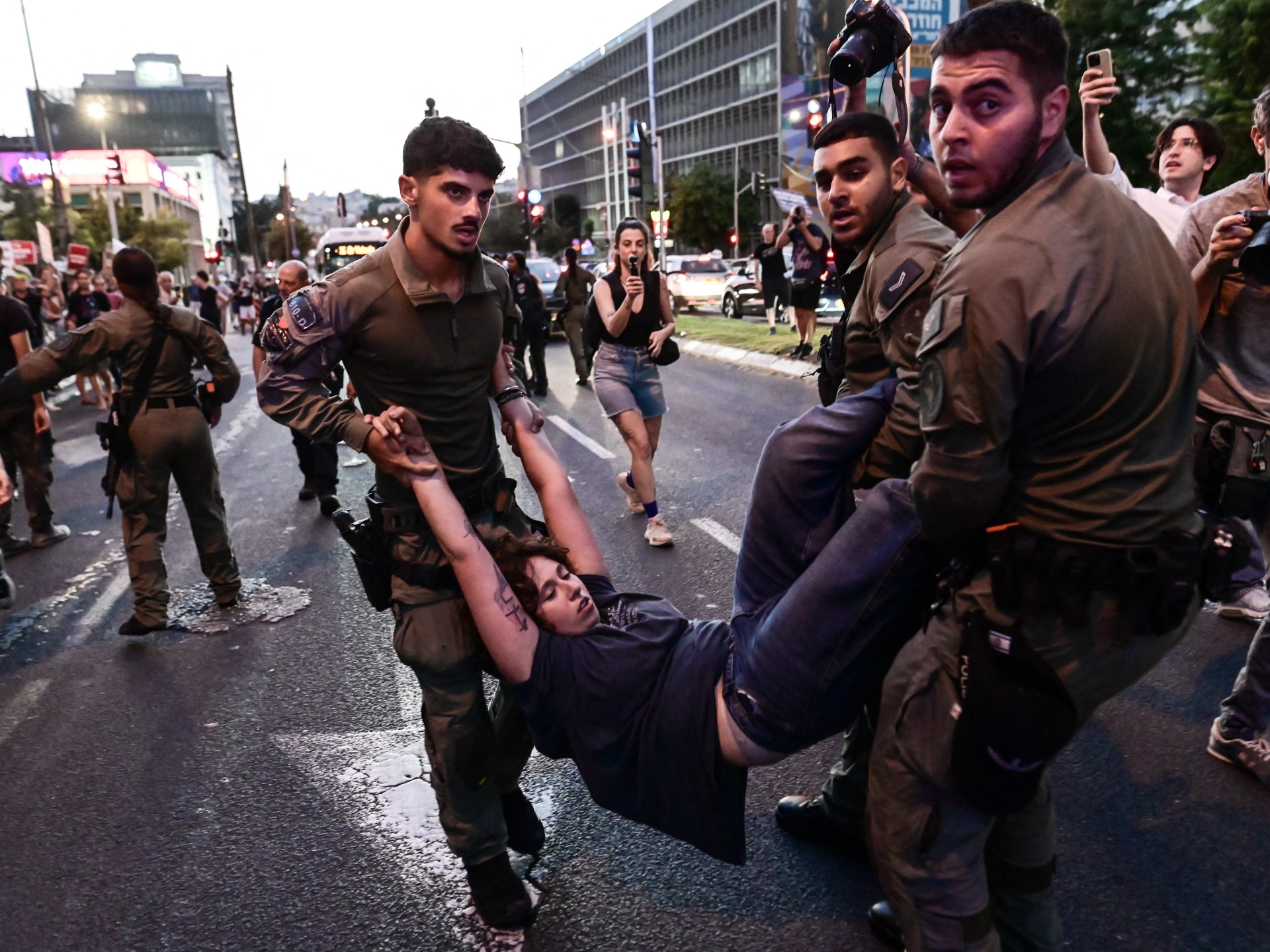
The catch-up's reference to Delhi protests points at the second front. Caste associations and youth groups have mobilised in central Delhi over the past fortnight, with numbers swelling on weekends. The protest repertoire is familiar from earlier caste mobilisations: processions, sit-ins at public spaces, and the symbolic gherao of central government buildings. Delhi Police have facilitated some marches and rerouted traffic around others, a pattern that suggests the demonstrations are tolerated within limits rather than welcomed.
This matters because Indian political negotiation rarely stays inside the chamber. When a demand has enough street support, the cost of simply adjourning rises. The opposition can disrupt proceedings; the government can refuse to engage; but if the mobilisations continue past the monsoon session, the issue returns in the winter session and then in the state-level elections scheduled across the Hindi heartland in 2026 and 2027. The opposition's strategy, plainly, is to convert a procedural demand into a vote-bank reality.
What the data does not yet say
Two uncertainties deserve to be flagged plainly. The first is whether the government will, before the monsoon session ends, commit to a specific timetable for a national caste enumeration, or whether it will continue to signal openness without dates. The second is whether the protests will hold their current size or fade, as previous caste mobilisations have, once the parliamentary pressure releases.
A third uncertainty is methodological. India's census machinery has not conducted a full caste enumeration since 1931. State-level caste surveys have produced contested numbers. The Standing Committee on Welfare of Other Backward Classes has flagged, in successive reports, that enumeration at the national level will be expensive, slow, and politically explosive. The opposition's call to bundle a caste count with the next population census is a procedural shortcut that the government has not yet accepted.
The stakes, counted and uncounted
For the OBC communities that form a working majority of India's population across the Hindi belt and large parts of the south, the absence of a fresh count is not an abstraction. It shapes admissions, jobs, and the politics of coalition government in states where no single party wins a majority without OBC backing. For the general category, the count is an implicit threat to existing shares of a contested pie. For the constitutional order, it raises a question the founders did not have to settle in 1950: what happens to a reservation regime that has grown by political decision rather than demographic measurement.
The monsoon session will produce its share of adjournments and one or two bills. The caste count is the slower question. It will return in the winter session, in state budgets, and eventually, in the Supreme Court, which has been quietly signaling discomfort with reservation arithmetic that no fresh data underwrites. The catch-up on Tuesday reported a single day's noise. The signal underneath is that India's most consequential enumeration is the one the state has refused to conduct.
Wire provenance
This editorial synthesis draws on the following public wire/social posts:
- https://en.wikipedia.org/wiki/Caste_ census_in_India
- https://en.wikipedia.org/wiki/Monsoon_session_of_Parliament_(India)
- https://en.wikipedia.org/wiki/Other_Backward_Classes
- https://en.wikipedia.org/wiki/Reservation_in_India