Trump tells the New York Post the Iran war is worth American lives: what the interview actually said
In a New York Post interview circulated by Fars News on 19 July 2026, Donald Trump defended the Iran war in terms that put American dead on the ledger of acceptable costs.
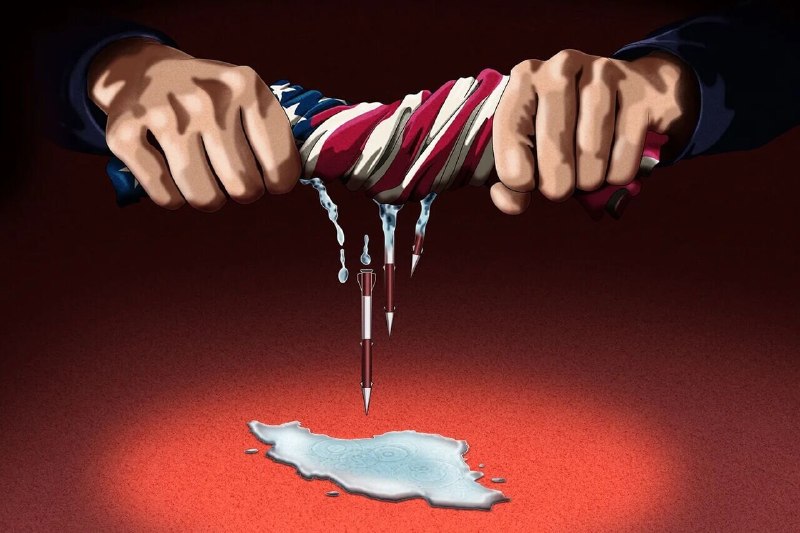
On 19 July 2026, Iranian state-aligned outlet Fars News circulated excerpts from a New York Post interview in which US President Donald Trump defended the ongoing war with Iran in explicitly transactional terms. The framing, packaged inside Iran and aimed at an Iranian audience, treats American military deaths as a line item rather than a consequence, and reframes a war the US military is actively fighting as one whose costs are acceptable to the commander-in-chief.
The kernel of the report is short and uncomfortable. According to Fars's rendering of the New York Post exchange, Trump justified a war in which American service members have already been killed on grounds that the alternative would have been worse. That posture is the operating thesis the rest of this piece examines: an American presidency that has moved beyond asking whether the war with Iran is winnable and into defending, on the page of a tabloid, why it is worth paying for in flag-draped coffins.
What Fars actually published
Fars News International, an outlet run by the Iranian state news apparatus, posted the gist of the interview to its Telegram channel at 18:34 UTC on 19 July 2026. The lead lines read: "Trump justified the killing of American soldiers in the war with Iran. In an interview with the New York Post newspaper, Donald Trump defended the war with Iran." The post then poses the rhetorical question Fars's editors want their readers to sit with: "Have you ever wondered how many people…"
Two facts anchor the item. The interview itself is a New York Post sit-down, a tabloid outlet owned by News Corp that runs near-daily access interviews with the president when he wants the broader right-leaning readership. Fars is republishing the exchange, not conducting its own. The wording matters because Fars's interests and the Post's are not aligned; the Iranian wire is selecting from a longer conversation and framing the selection for a domestic audience that has, by every public indication, paid a price of its own in the war.
The structural frame inside one tabloid quote
Read narrowly, a president telling a tabloid that losing soldiers is part of the job is unremarkable. Every wartime commander-in-chief has said something close. Read in the context of a war the US entered against a state opponent several thousand miles away, the comment does something more pointed: it moves the political conversation from "is this war worth fighting" to "is this war worth dying for," and answers yes, in a venue that is built to deliver yes answers to conservative readers in digestible form.
There is also a counter-frame worth keeping on the table. The same interview, handled by a New York Post reporter, may have been designed to deliver a tougher, more humane line about casualty avoidance. Tabloid interviews are edited; Fars did not publish the full transcript. The Iranian wire's selection choices reflect what its editors want a domestic audience to see of an American president: cold, transactional, indifferent to American grief.
Why Tehran is amplifying it
Iranian state media has spent the war curating two parallel portraits of the United States for Iranian readers. One is the imperial aggressor, the country that imposed this war on a sovereign neighbour and is paying for it in body bags. The Trump quote, as Fars is presenting it, fits cleanly into that frame: the American president openly admits that American soldiers are dying and treats that as acceptable. The frame matters because it shores up domestic resolve and gives the Iranian negotiating position a sympathetic backdrop in any future talks, particularly with regional intermediaries who read Fars closely.
The selection also reflects an asymmetry that Western readers tend to miss. Iranian outlets serving Iranian audiences expect to see American leaders framed as cold. American outlets serving American audiences expect to see Iranian leaders framed as fanatical. The two pictures reinforce each other across their respective publics, and this New York Post snippet, even if the original interview carried warmer language, becomes a piece of evidence in the Iranian version of the picture.
What remains uncertain
Three things the Fars item does not tell us, and that this publication could not confirm from the source materials available.
First, the exact wording. Fars paraphrases and frames; it does not reproduce the New York Post transcript verbatim. The strongest version of Trump's remark, and any moderator questions that came with it, are not in the source item. Readers who want the full exchange should track the original New York Post story, which would carry fuller context on what was asked, what was answered, and what was left on the cutting-room floor.
Second, the casualty ledger. The Fars item implicitly references American military deaths in the war; no figure is given. American military casualty reporting of this conflict has been politically contested at every step, and the absence of a number is itself a choice in a piece aimed at an Iranian audience.
Third, the policy line. Whether the quote signals a hardening of the US war posture, a recalibration ahead of negotiations, or simply a tired moment in a long interview cannot be parsed from a single Iranian-state-wire selection. The piece to watch next is the full New York Post publication: the headline it runs, the angle it cuts, and whether Republican members of Congress feel the need to performatively defend or quietly disown the line.
What this publication can say, on the source material available, is that on 19 July 2026 an Iranian state-aligned outlet took a New York Post interview with the US president and presented its contents to an Iranian audience with an editorial slant that emphasises American indifference to its own war dead. The story, on either side of that framing choice, is the same: an American war president on the record, in tabloid form, defending a war that has already cost American lives.
Desk note: where Fars News selected for an Iranian audience, the full New York Post interview is the cleaner read for Western readers. Monexus reports the Fars excerpt and flags the source asymmetry rather than pretending the two outlets said the same thing.
Wire provenance
This editorial synthesis draws on the following public wire/social posts:
- https://t.me/FarsNewsInt/529419