Aqaba security alert lands as Jordan weighs a role between Gulf patrons and a smouldering neighbourhood
A US Embassy alert has cleared Aqaba's airport and seaport, exposing the limits of Jordan's careful balancing act between its Gulf patrons and the violence on its borders.
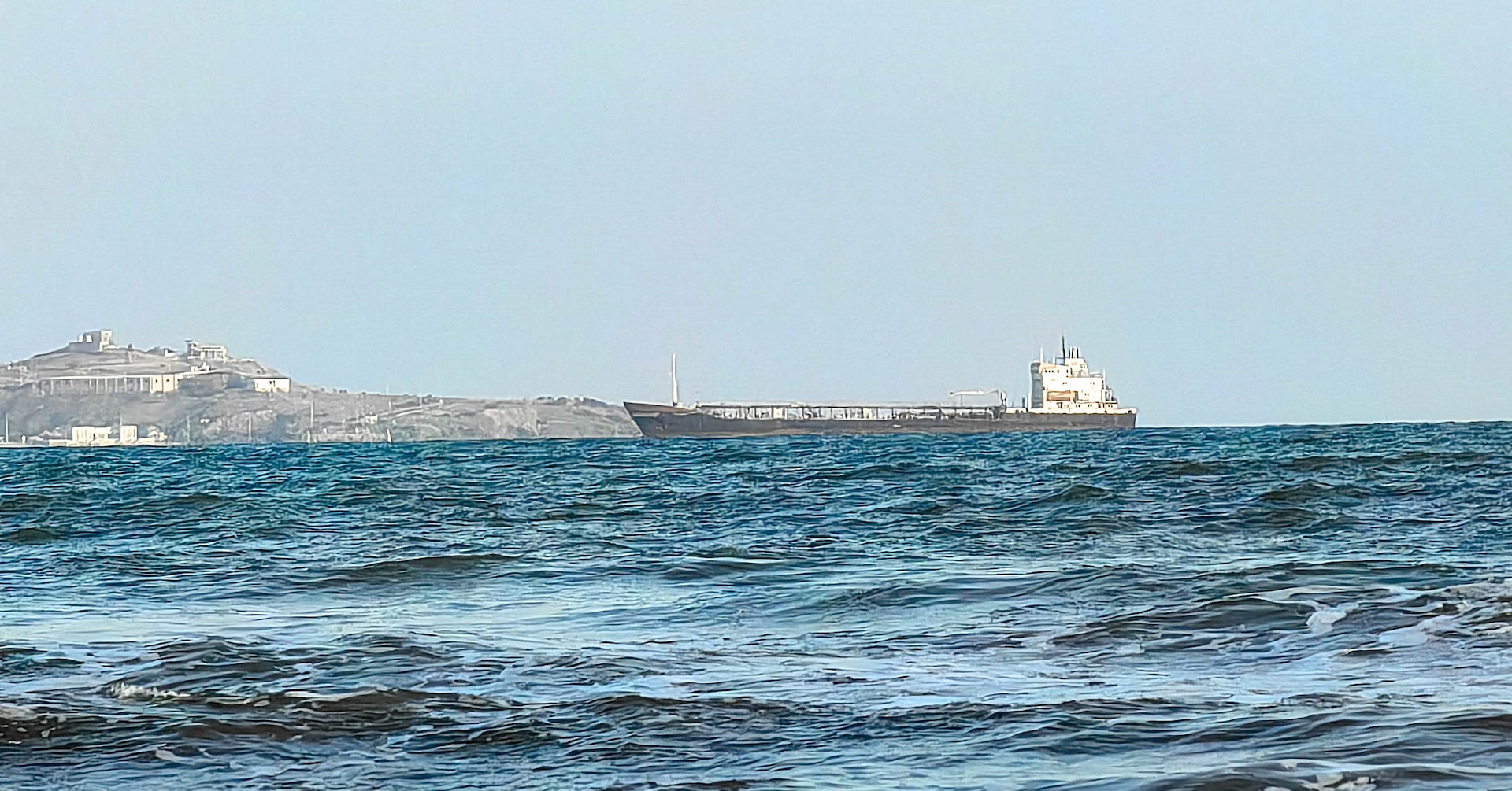
The US Embassy in Amman issued a security alert at 10:40 UTC on 19 July 2026, citing what it called a "specific and credible threat" in the southern Jordanian port city of Aqaba. Jordanian authorities moved within hours to evacuate the international airport and the seaport, the two installations that anchor the country's only Red Sea coastline and the bulk of its non-pipeline trade.
Aqaba is not a place Jordan treats lightly. The city handles container throughput, phosphate exports, and the bulk of inbound tourism for a country whose eastern border has been inside an active war zone for the better part of two years. Closing both the airport and the seaport on the same day, on the strength of a single advisory, signals that the threat was judged not theoretical.
The framing from Amman is minimal so far. The Telegram channel OSINTdefender, which aggregates open-source reporting on military and security movements, summarised the alert and the evacuation in a 10:40 UTC post on 19 July 2026, drawing on the Embassy's own text. No casualty count, no claimed perpetrator, no operational detail has been released. That silence is itself the story.
What an Aqaba closure actually costs
Aqaba is Jordan's only maritime window. The port complex moves an estimated several million tonnes of cargo a year, including the phosphates that fund the kingdom's balance of payments, and serves as the southern bookend of a logistics corridor that also runs overland to Baghdad and the Gulf. The airport, a smaller facility but a tourist anchor for the Aqaba Special Economic Zone, was cleared in parallel. A same-day shutdown of both suggests the threat was understood to cover ground and maritime approaches, not a single terminal.
Jordanian officials have not, in the material available, named a target, a method, or a group. The US Embassy alert language, "specific and credible", is the standard phrasing the State Department uses when intelligence has narrowed down a plot but the host government has not yet authorised a public naming. That leaves an information gap that regional outlets are already filling with speculation, much of it pointing across the border.
The neighbourhood Jordan sits inside
The alert lands inside a security environment that has not been quiet for months. Jordan's northern border with Syria has been a friction zone since the December 2024 offensive that reconfigured control in southern Syria; the eastern border with Iraq hosts US and coalition logistics that have been targeted repeatedly; and the kingdom's airspace and Red Sea coastline sit on the edge of a maritime theatre that runs from the Bab el-Mandeb up through the Houthi threat envelope. Aqaba is roughly 200 kilometres by sea from the northern Saudi coast and a short flight from Israeli and Sinai airspace.
The geometry matters because it tells you what kind of threat an evacuation of this scale is meant to deter. A closure that evacuates both an international airport and a working seaport is not aimed at a lone actor with a knife. It implies either a coordinated multi-site plot or a weapons effect, drone, missile, or maritime surface attack, with a footprint large enough to threaten two pieces of critical infrastructure simultaneously. Neither conclusion is on the record.
Counter-claim and uncertainty
There is no public counter-narrative from a regional rival to weigh. Iranian state media have not, in the material on the wire, claimed or denied a hand in the alert. The Houthi movement's own outlets have been quiet on Aqaba specifically, although their media operation has in past weeks continued to claim strikes against Israeli and shipping targets further south. The silence from both Tehran-aligned channels is itself notable; it is the kind of silence that follows either a successful operational security posture or a successful denial.
What the sources do not contain is just as important as what they do. There is no casualty figure. There is no claimed responsibility. There is no Jordanian interior ministry statement beyond the operational decision to evacuate. The US Embassy alert references "specific and credible" intelligence without identifying the source, the method, or the intended target. Any reconstruction of motive at this point is structural inference, not reporting.
Structural read: small state, large neighbourhood
Aqaba's closure exposes the pressure a small, resource-poor, alliance-rich state absorbs when its borders are bracketed by three different war zones. Jordan's external backing comes principally from the United States and the Gulf monarchies; its trade and labour links run deep into the Levant and the Gulf; its domestic political compact requires the monarchy to keep the kingdom legible as a safe place for capital, tourism, and refugee flows that already exceed the country's carrying capacity by any normal measure. A credible threat to Aqaba does not just imperil a port. It imperils the credit line.
The kingdom's response so far is the response of a state that wants the threat contained without being drawn into the larger contest. Evacuate, do not name, do not retaliate, do not allow the alert to become an incident that pulls a patron into a fresh headline. That posture has held for Amman through two years of regional fire; it will hold through this alert unless the intelligence picture changes in public.
Stakes, and what to watch next
The immediate stakes are operational: whether the airport and seaport reopen within 24 to 48 hours, whether the US Embassy upgrades or downgrades its alert, and whether Jordanian authorities disclose enough about the threat to give the tourism and shipping sectors a runway to plan. A multi-day closure would push container traffic to the longer, more expensive overland route via the Iraqi border and would dent the cruise and resort calendar that the Aqaba Special Economic Zone was built around.
The longer stakes are about posture. A successful attack, or even a successful disruption, on Aqaba would harden the case inside the Gulf and in Washington for a wider security perimeter around the Red Sea's northern reaches. A clean stand-down, with no incident materialising, would let Amman return to its preferred mode of quiet absorption. The 10:40 UTC alert is the wire moment. The reopen notice, when it comes, will be the read.
Desk note: Monexus led on the single verified primary source, the US Embassy alert as relayed by the OSINTdefender channel at 10:40 UTC on 19 July 2026, and refused to import unattributed speculation about perpetrator, method, or motive. Where regional outlets will fill the silence with framing, this publication has marked the silence as the story.
Wire provenance
This editorial synthesis draws on the following public wire/social posts:
- https://t.me/s/OSINTdefender