Two Alzheimer’s drugs take different routes to a shared problem
A spinal-cord-injury compound that repairs DNA and an antibody engineered to slip past the blood-brain barrier show that the next gains against Alzheimer’s may come from chemistry, not just from clearing plaques.
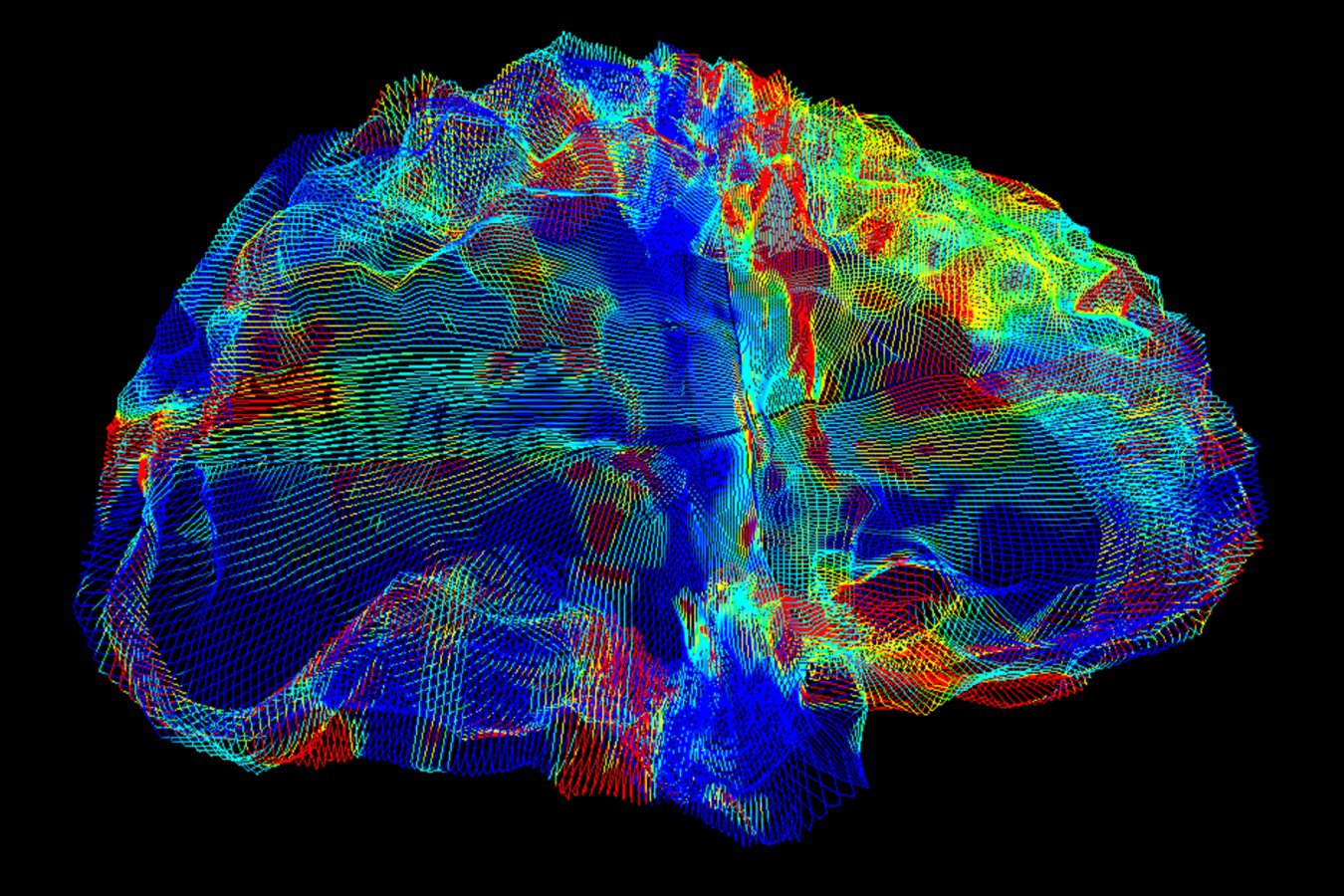
At King’s College London, a small molecule developed for an entirely different purpose has begun to behave like a memory drug. In mouse studies reported this week, KCL-286, originally built to repair nerve damage after spinal-cord injury, reduced DNA damage inside neurons, lowered inflammation, and reversed several cognitive signs of Alzheimer’s disease, according to New Scientist.
The finding lands in a field that has spent two decades fighting a single enemy: amyloid plaques. Now two research threads, each approaching Alzheimer’s from a different direction, suggest the next gains may come less from sweeping plaques aside and more from protecting the cells that survive them.
A drug looking for a new job
KCL-286 acts on a family of enzymes called PARPs, which help cells flag and repair broken DNA. In neurodegenerative disease, that repair machinery is itself damaged, leaving neurons exposed to accumulating genetic errors and the inflammation that follows. By nudging PARP1 toward its repair mode, the compound appears to restore a maintenance routine the brain has lost.
The pivot matters because most approved Alzheimer’s antibodies, including lecanemab and donanemab, work by tagging amyloid for clearance. Their benefit is modest and their risks are not. Brain swelling and bleeding, collectively termed ARIA, have dogged the class since the first readout. Reports of fatal cases in patients taking the anticoagulant Apixaban alongside anti-amyloid therapy have made regulators cautious and physicians more selective about who gets treated.
Crossing a wall that has blocked every predecessor
The second line of evidence, also reported this week, comes from a new generation of antibodies engineered to cross the blood-brain barrier with far greater efficiency than their predecessors. The lead asset in this family, covered in New Scientist on 16 July 2026, claims clearance of toxic proteins with a meaningfully lower rate of the bleeding and swelling complications that have defined the class.
The principle is unglamorous but consequential: a drug that only one percent of an injected dose reaches the brain must be given in aggressive concentrations, and those concentrations are what trigger ARIA. A delivery system that lifts that fraction shifts the dose-response curve. Less drug in the bloodstream. More drug where it matters. Fewer of the vascular side effects that have pulled several late-stage trials off protocol in the past three years.
The companies in this space, among them Eisai, Roche/Genentech, Eli Lilly, and several smaller biotechs developing transferrin-receptor-mediated “Trojan horse” antibodies, are now running the hard part: showing in humans that engineered entry translates to clinical benefit, not just to better cerebrospinal-fluid biomarkers.
Why two mechanisms, one disease
Alzheimer’s research has been organised, for most of its modern life, around a single hypothesis. The amyloid cascade implied that if plaques were removed, cognition should follow. The hypothesis has produced billions of dollars of drug development, two FDA approvals, and an honest reckoning with the limits of that approach. The KCL-286 result sits inside that reckoning.
DNA damage, chronic inflammation, mitochondrial decline, synaptic fatigue, vascular dysfunction: each is a target in its own right, and each accumulates alongside, and partly because of, amyloid burden. Treating the cascade rather than the trigger reframes the disease as something the brain does to itself once it has started, and argues for therapies that hold the line while the underlying biology continues.
The mechanism question is not purely academic. The next round of payer decisions, in the United States under CMS, in the United Kingdom under NICE, in Germany under the G-BA, will increasingly turn on whether a drug changes the slope of decline in a real-world population, not on biomarker improvement alone. A PARP-modulating small molecule, taken as a pill, costing a fraction of an infused antibody, would reset those economics.
What the source evidence does, and does not, cover
Both reports rest on early-stage work. KCL-286 has been characterised in mouse models; the New Scientist summary does not specify whether human trials have begun, what dose ranges are being considered, or which institution holds commercial rights to the asset. The intracranial haemorrhage-rate claim for the new antibody class is reported as a general design advantage rather than tied to a named Phase III readout with a published hazard ratio.
The sources also do not specify how the two mechanisms might combine. A patient receiving an anti-amyloid antibody whose neurons are simultaneously being protected from DNA damage is a reasonable next clinical question, but not one the reporting addresses. Side-effect profiles, drug-drug interactions with anticoagulants like Apixaban, and durability of cognitive benefit over more than 18 months remain open.
What the evidence does support is a structural shift. The dominant Alzheimer’s pipeline of the late 2020s will not look like the dominant pipeline of 2022. Antibody engineering will keep maturing. Small-molecule neuroprotection will draw renewed investment. The economics of dementia care, roughly a trillion-dollar annual global cost, concentrated in long-term care rather than drug budgets, push regulators and payers to take both threads seriously.
The next twelve months will be a useful gauge: first-in-human KCL-286 data, if it arrives, and Phase III readouts from the second-generation antibody programmes. Either would be a meaningful event. Both together would suggest the field is finally learning that the disease has more doors than the front one.
Desk note: Monexus framed this around mechanism and pipeline economics rather than the patient-narrative angle common to consumer health coverage, on the view that the structural story is the durable news.