Two Alzheimer's candidates, two different bets on a stubborn disease
A small-molecule repair drug and a brain-penetrant antibody have both cleared early hurdles this month. The two programmes point at the same disease from opposite ends of the pharmacology toolkit.
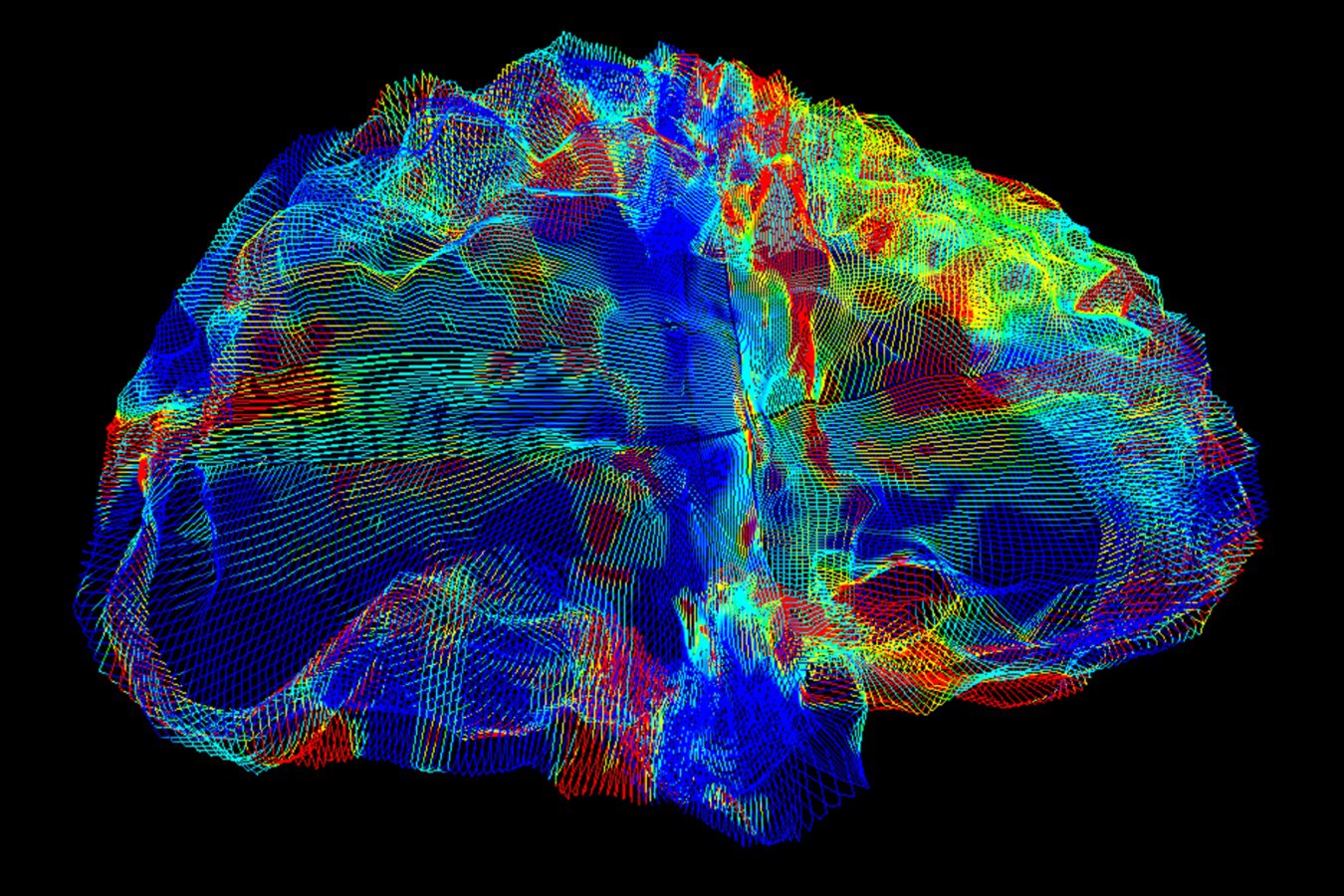
On 17 July 2026, researchers reported that a drug originally built to help severed spinal cords regenerate had, in mouse studies, repaired dangerous DNA damage in the brain, calmed inflammation, and hit the neural targets most damaged in Alzheimer's disease. The compound, called KCL-286, is the work of a team at King's College London, and its first human safety trials are being prepared. Twenty-four hours earlier, on 16 July, a separate group had reported a different kind of answer to the same question: an antibody engineered to slip past the blood-brain barrier far more efficiently than the lecanemab and donanemab class of drugs, with the aim of clearing the toxic protein clumps that mark Alzheimer's while cutting the rate of brain bleeds that have dogged existing therapies.
Read together, the two announcements sketch a field in transition. The dominant thesis of the past decade has been that removing amyloid plaques from the brain should slow cognitive decline. The clinical record of that thesis is mixed: real but modest effect sizes, real and sometimes fatal side effects, and a ferocious debate over how much benefit, in dollars and quality-adjusted life years, the marginal patient actually receives. KCL-286 represents a near-orthogonal bet, that the disease can be slowed by repairing the damage done inside neurons themselves rather than by clearing the protein debris outside them. The antibody work, by contrast, doubles down on the amyloid hypothesis but tries to fix the delivery problem.
A drug that works on the neurons, not on the plaque
KCL-286 was developed for spinal cord injury, where DNA damage in surviving nerve cells is part of what limits recovery. The King's College team reasoned that similar DNA damage accumulates in the brains of Alzheimer's patients, partly as a downstream consequence of chronic inflammation and partly as a driver of it. In the mouse studies reported on 17 July, the compound reduced markers of that damage, lowered inflammation, and improved performance on memory tasks. The mechanism is small-molecule and orally available, in principle cheaper and easier to distribute than the infused antibodies that have defined the field.
The caveats are the ones that always apply to mouse Alzheimer's work. The mice are engineered to mimic facets of the disease, not to live with it over decades. The behavioural readouts, while standard, are imperfect proxies for the slow haemorrhage of human cognition. And the programme is at an early stage, with first-in-human safety studies being prepared rather than under way. The history of neuroscience is littered with compounds that worked in rodents and then did nothing, or did harm, in people.
A better delivery truck for an old idea
The antibody programme, reported by New Scientist on 16 July, is a different kind of bet. It accepts that clearing amyloid is still the goal, and attacks the delivery problem. Existing antibodies, lecanemab and donanemab, cross into the brain at low rates; the dose required to move the needle on plaque burden is uncomfortably close to the dose at which blood vessels in the brain start to leak. The new-generation candidates are designed to cross the blood-brain barrier far more efficiently, which in principle lets clinicians use less antibody to achieve the same plaque clearance, and therefore less risk of the amyloid-related imaging abnormalities, the ARIA, that have caused serious bleeds and occasional deaths in trials of the older drugs.
That is the hypothesis. The reported work is at an early stage, and the source does not specify efficacy in humans; the framing is that the molecule design is a step toward lower-bleed-risk therapy. Whether the trade-off holds in late-stage trials is the open question, and the one regulators will ultimately decide.
Why two programmes at once
The simultaneous publication of the two studies is itself part of the story. Pharmaceutical companies and academic groups are hedging across mechanisms because the underlying biology remains unresolved. The amyloid hypothesis has survived three decades of partial vindication, modest clinical effect, and relentless criticism; the inflammation-and-repair hypothesis has a longer pedigree than its current visibility suggests and is enjoying a moment. Investors and grant-funders read the dual-track activity as evidence of an unfinished science, not a solved one.
There is also a pricing logic. Antibody drugs that require infusion centres, MRI monitoring, and specialist neurology teams are expensive to deliver and concentrate treatment in wealthy health systems. A small molecule that could, in principle, be taken as a daily pill would expand the addressable population by an order of magnitude, particularly in lower- and middle-income countries where infusion infrastructure is thin. Whether KCL-286, or any compound in its class, reaches that profile is years away.
What the next eighteen months look like
The credible next moves are first-in-human safety readouts for KCL-286 and earlier-stage efficacy signals for the brain-penetrant antibody. The field will also be watching the long tail of the existing antibody class: real-world data on ARIA rates, on hospital capacity for the MRI monitoring the drugs require, and on whether health systems are willing to pay the asking prices for the marginal slowing of decline on offer. None of those questions will be answered by the two papers published this week. Both papers will, however, shape the menu of bets that gets funded next.
What remains genuinely uncertain is whether either programme addresses the right target at the right stage of disease. The sources do not specify whether the DNA-repair approach works in late-stage patients, where most neurodegeneration has already occurred, or whether the antibody will clear enough plaque, fast enough, to matter clinically. The honest reading is that the field is widening its portfolio of bets because the prize is large and the existing answers are partial.
Desk note: Monexus frames this as a portfolio story, not a breakthrough. The wire coverage of the King's College work and the New Scientist write-up of the antibody programme each focus on a single mechanism; the news value here is what the two together say about how Alzheimer's drug development is being hedged across competing biological theories. The piece is deliberately conservative on the mouse-to-human translation question.