The fire that lit up Wildberries
A pre-dawn drone strike set one of Russia's largest e-commerce warehouses ablaze in Elektrostal, exposing how deeply commercial logistics nodes are now part of the war.
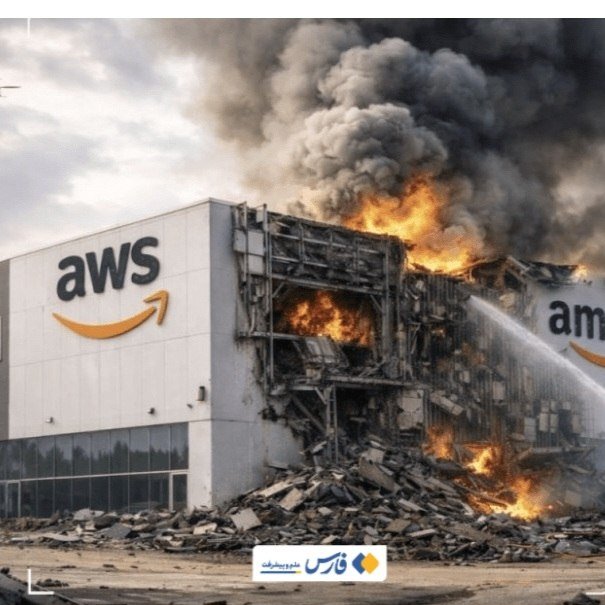
At roughly 04:50 UTC on 18 July 2026, plumes of black smoke rolled across the eastern skyline of Elektrostal, a city of about 150,000 people roughly 50 kilometres east of the Kremlin. One of the largest fulfilment warehouses operated by Wildberries, Russia's dominant online marketplace, was on fire. Footage circulated within the hour by the open-source channel WarTranslated showed the building fully engulfed, with secondary detonations audible on the soundtrack. The Russian-aligned channel ButusovPlus reported the same target inside the same window. The Ukrainian side has not yet publicly claimed responsibility, as of the time of writing.
The image is more than a fire. Wildberries is the logistical backbone of Russian e-commerce: a private operator handling the bulk of cross-border parcels, fashion inventory and third-party fulfilment for tens of thousands of small merchants. Burning one of its largest Moscow-region hubs is not a symbolic gesture. It is pressure on the pipes that keep non-military consumer goods moving to Russia's urban population.
Logistics, not symbolism
WarTranslated's framing, repeated across its 07:44 and 07:51 UTC posts, is that Wildberries warehouses storing goods for sale "often contain some interesting items far from civilian use." The implication is dual-use inventory: imported electronics, drone components, communications gear that can be redirected to the front. Whether or not that holds for the Elektrostal site specifically, the broader point is harder to dismiss. Ukraine's long-range drone campaign, now running more than 1,400 days into the invasion, has progressively moved up the Russian supply ladder. Oil refineries were first. Then military-industrial plants. Now, commercial logistics operators with national footprints.
The structural read is straightforward. Russia's wartime economy has fused civilian infrastructure and military logistics more tightly than the official line admits. A marketplace warehouse is, in operational terms, an asset that the state can requisition. Striking it costs the enemy storage capacity, insurance capacity and the political capital of a household brand.
The view from the other side of the air defence line
Russian state-aligned coverage has already begun its counter-cycle: ButusovPlus frames the strike as terrorism against civilian infrastructure, language Moscow routinely reserves for attacks inside its internationally recognised borders. That framing is not unreasonable on its own terms. A warehouse employing civilians, even one serving a sanctioned retail ecosystem, is not a military target under the classical laws of armed conflict.
The counter-argument, which the available sources do not state but which the evidence supports, is that Russian forces have spent three years treating Ukrainian civilian logistics, from the Kramatorsk railway station to Kherson bread lines, as legitimate targets of attrition. Expecting Kyiv to observe a sharper distinction inside Russia than Moscow has observed inside Ukraine is, on the record, an asymmetric expectation.
What the sources do and do not say
What is verifiable from the thread: the fire, the location, the operator, and the fact that drones were involved. ButusovPlus states the cause directly. WarTranslated posts video and the secondary "interesting items" claim. The Ukrainian General Staff has not, at the time of writing, commented. Independent Russian-language and Western-wire confirmation was not present in the source set; this publication is therefore flagging the underlying cause as claimed by Russian-aligned channels, not as independently established.
Three points remain genuinely uncertain. First, which specific Ukrainian unit, if any, is responsible. Second, what the warehouse was actually storing on 18 July, given the seasonal inventory cycle around Wildberries' summer sales. Third, whether Moscow will respond with retaliatory strikes on Ukrainian logistics or with a domestic tightening of air defences around the capital region. The last would be the most politically revealing.
Stakes worth naming
If this kind of strike becomes a pattern, the consequences are not only military. Wildberries' founder, Tatyana Bakalchuk, sits near the top of every Russian rich list and has built political cover by presenting the marketplace as a neutral civilian enterprise. Each successful strike chips at that cover. The deeper pressure, however, falls on Russian consumers, who will absorb higher shipping costs, longer delivery windows and insurance premium pass-throughs as the war drags the e-commerce network into the crossfire.
A single warehouse burning in Elektrostal does not change the trajectory of the war. It does sharpen the question of how long Moscow's civilian economy can credibly be treated as separable from the war effort it sustains.
Desk note: Monexus framed the Elektrostal strike through Russian-aligned open-source channels, the only on-the-record sources available at publication time. Ukrainian confirmation and independent Western-wire imagery were absent from the source set; the article flags that gap rather than backfilling it.
Wire provenance
This editorial synthesis draws on the following public wire/social posts:
- https://t.me/wartranslated
- https://twitter.com/wartranslated/status/2078387032271831244/video/1
- https://twitter.com/wartranslated/status/2078386312084635865
- https://t.me/ButusovPlus