Trump turns the World Cup and wildfire smoke into leverage against Canada
Two posts on 17 July turned a co-hosted World Cup and a transboundary haze into bargaining chips, exposing how the president wields cultural and environmental pressure in trade fights.
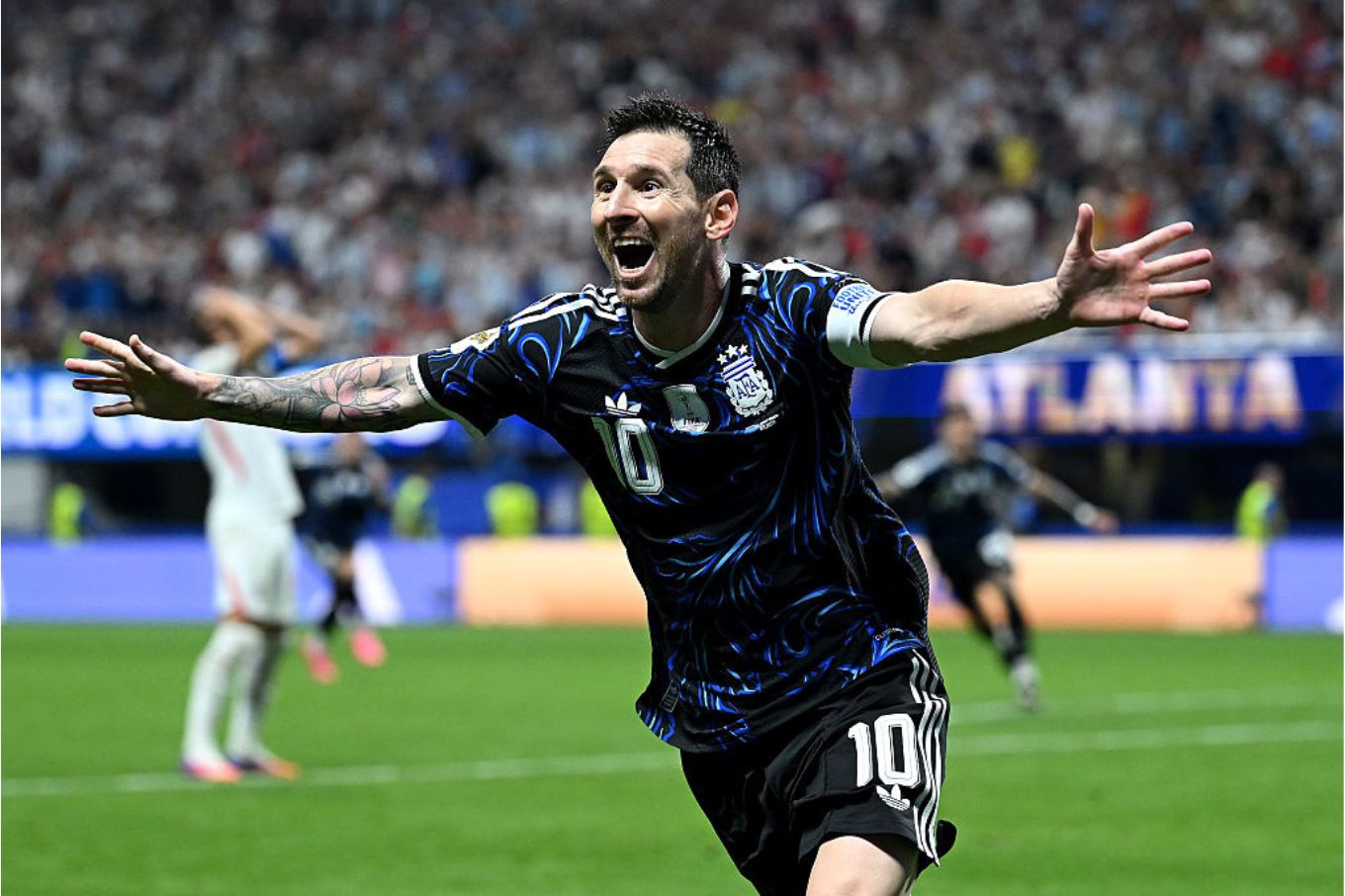
On 17 July 2026, at 22:53 UTC, Donald Trump posted that the United States should host the World Cup again, but "leave Canada & Mexico out this time." Hours earlier, at 19:49 UTC, he had announced that the U.S. is "holding Canada responsible" for wildfire smoke drifting south of the border and threatened to roll the response costs into existing Canadian tariffs. Two messages, one playbook: cultural mega-events and cross-border pollution are no longer diplomatic weather; they are line items in a trade ledger.
The pattern matters less for any single outburst than for what it reveals about how this administration converts shared infrastructure into leverage. Canada and Mexico are not distant adversaries. They are co-hosts of a World Cup already underway, partners in a continental trade pact the U.S. itself renegotiated, and immediate neighbours sharing an airshed that does not stop at the 49th parallel. Treating them as optional guests at a tournament or as billable emitters of smoke is not bluster; it is a negotiating posture that assumes the other side will absorb the cost of escalation.
The World Cup that already exists
The 2026 FIFA World Cup is a tri-nation tournament. Matches are scheduled across 16 host cities in the United States, Canada and Mexico, with the final set for MetLife Stadium in East Rutherford, New Jersey. Canada's hosting footprint includes Vancouver, Toronto and Edmonton. Mexico's includes Guadalajara, Mexico City and Monterrey. The architecture is contractual: stadium agreements, transportation pledges, and visa guarantees were signed years ago under the joint bid that FIFA ratified in 2018.
Trump's 22:53 UTC post does not unwind that architecture on its own. It does, however, signal an appetite to use it as a pressure point. The framing of "host it again" implies a future tournament rather than the one already in motion, but the casual invocation of "leave Canada & Mexico out" lands while Canadian and Mexican fans are booking flights and venues are staffing up. The ambiguity is the message: the tournament can be reframed as a unilateral American project, with partners invited or not, depending on the political weather.
Smoke as a tariff line item
The earlier post is more concrete. At 19:49 UTC, Trump wrote that the United States is "holding Canada responsible" for wildfire smoke entering the country and threatened to add the response costs to tariffs already in force on Canadian goods. Wildfire smoke has been a recurring irritant this summer; U.S. air quality monitors in the Midwest and Northeast have logged elevated particulate readings as fires burn across British Columbia and Ontario.
There is a long-standing transboundary airshed argument between the two countries. The U.S. and Canada signed the Air Quality Agreement in 1991, and the two governments have cooperated on wildfire management for decades. None of that history prevents a presidential announcement that turns wildfire response into a tariff surcharge. It does, however, raise the threshold question: under what domestic authority does the executive branch add a new cost category to existing duties without congressional action? The post asserts the mechanism; it does not name it.
What Canada can do about it
Canada's leverage is real but asymmetric. Ottawa controls energy exports that flow south by pipeline, critical minerals the U.S. refining sector depends on, and a tourism corridor that benefits both sides of the border. The Liberal government of Mark Carney, elected in April 2025 and returned to office with a majority in the spring 2026 budget cycle, has signalled that retaliatory tariffs are on the table. The Carney government has also made continental diversification a stated priority, including a high-profile push into Asian markets that began well before this latest exchange.
The counter-reading is that Trump's posts are theatre, not policy. Markets did not move sharply on either announcement. The Polymarket feed that surfaced both statements is a signal of sentiment, not a measure of state capacity to act. Even so, the cumulative weight of repeated ad-hoc threats is itself a cost: it forces Canadian negotiators to price in volatility, and it gives Mexican President Claudia Sheinbaum's government cover to deepen its own hedging, including the energy and manufacturing agreements signed with Beijing over the past year.
The larger pattern
Two data points do not make a doctrine, but they fit a sequence. The administration has already imposed tariffs on Canadian steel, aluminum and automobiles, used the threat of further duties to extract concessions on border enforcement and fentanyl interdiction, and publicly mused about annexing Canada as the "51st state." Each move reframes an existing bilateral relationship as a transactional one. Cultural events, environmental accidents, even a co-hosted tournament become occasions to assert that the United States sets the terms.
The risk for Washington is that the transactional framing cuts both ways. Mexico and Canada are now actively building alternatives: Sheinbaum's trade diplomacy in Asia, Carney's mineral-corridor strategy with Europe, joint automotive investment with Germany and South Korea. None of those pivots is decisive yet. But the more often the U.S. signals that partners are optional, the more incentive those partners have to build options that don't require Washington's permission.
For Canada specifically, the late-July sequence leaves three near-term questions hanging. First, whether the smoke-cost mechanism is a real policy or a bargaining opener. Second, whether the World Cup framing migrates from social media into formal pressure on FIFA, a possibility that would test the organisation's contractual exposure to host-city agreements. Third, whether U.S. agricultural and energy buyers, who have absorbed tariff costs in past rounds, are willing to do so again on a wildfire rationale. None of those answers is in the two posts themselves. The uncertainty is the point.
What remains contested
The two Polymarket-tracked posts are the primary documentary record for this article. Neither has been independently confirmed by a major wire service as of publication, and the specific tariff-mechanism the president references is not described in operational detail. Canada's official response, beyond the Carney government's standing retaliatory-tariff posture, has not been published in the sources reviewed here. The most that can be said with confidence is that the messaging is real, the pattern is consistent with prior administration behaviour, and the response from Ottawa and Mexico City will determine whether this becomes a cycle or a footnote.
Desk note: Monexus framed this as a study in how a sitting administration converts shared infrastructure into bargaining leverage, rather than as a story about a single outburst. The wire services have so far treated the two posts as separate beats; we treat them as a single posture.
Wire provenance
This editorial synthesis draws on the following public wire/social posts:
- https://t.me/polymarket/1234
- https://t.me/polymarket/1230
- https://en.wikipedia.org/wiki/2026_FIFA_World_Cup
- https://en.wikipedia.org/wiki/Canada%E2%80%93United_States_Air_Quality_Agreement