The Tates land in a US cell: how a sealed Miami warrant reopens a transatlantic case
Andrew and Tristan Tate are in US federal custody after a sealed Miami warrant and a UK Crown Prosecution Service referral. The case that started in Bucharest is now a three-jurisdiction fight.
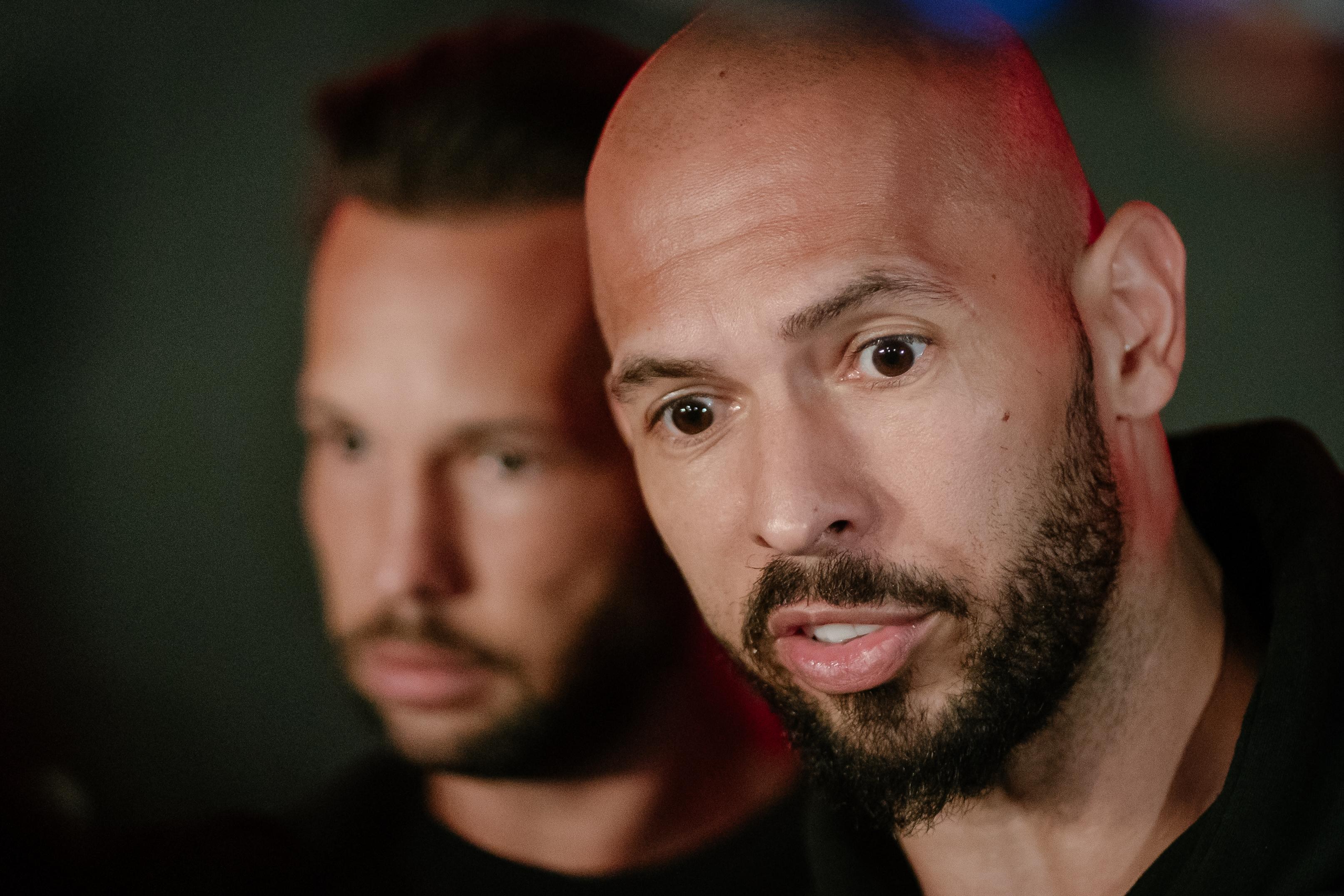
Andrew Tate and his brother Tristan were taken into US federal custody in Miami on the evening of 18 July 2026, according to Telegram channels including disclosetv, insiderpaper and osintlive, with the warrant sealed and the charges undisclosed at the time of arrest. A spokesperson for the US Marshals Service confirmed the brothers' detention shortly after 23:30 UTC, citing the sealed warrant; within minutes, the same channels reported that the UK's Crown Prosecution Service had authorised further charges of rape, sexual assault, trafficking and assault.
The arrest ends more than three years of jurisdictional drift over the British-American brothers, who were first detained in Romania in late 2022 on trafficking and rape allegations and have been navigating overlapping proceedings in Bucharest, London and Florida ever since. It also reopens, in US federal court, a case that had begun to look politically untouchable.
The Miami warrant, and what was actually said
The earliest items on the wire, timestamped 23:28 and 23:33 UTC, came from insiderpaper. The phrasing was identical in both posts: "Andrew Tate and Tristan Tate have been arrested in Miami, Florida: reports." By 23:34 UTC, disclosetv carried an AP-sourced note that the warrant had been sealed and that a US Marshals Service spokesperson had confirmed the detention without naming the charges.
Within ten minutes, the picture sharpened. By 23:41 UTC, bricsnews reported the arrest as the product of a US-UK extradition request, framing the brothers as taken "in US following extradition request from the UK." At 23:44 UTC, insiderpaper returned with the most substantive detail on the thread: that the UK's Crown Prosecution Service had authorised further charges including rape, sexual assault, trafficking and assault. By 23:45 UTC, disclosetv confirmed the sealed warrant but not the specific counts.
The lag is itself the story. The sealed-warrant announcement, on the US side, left the formal charge sheet blank. The UK-side confirmation, from the Crown Prosecution Service, named the categories of offence. Polymarket's X account, posting at 23:34 UTC, summarised both developments in a single line. None of the seven thread items identifies a named prosecutor, a docket number, or a presiding judge.
The Romanian file the brothers left behind
The Tate case is not new. Andrew Tate, a 38-year-old former kickboxer turned online personality, and his brother Tristan were detained in Bucharest in December 2022 as part of a trafficking investigation led by Romania's Directorate for Investigating Organized Crime and Terrorism (DIICOT). The brothers deny the allegations. They were held under house arrest in Romania for much of 2023, then moved between restrictions as the case progressed.
A parallel track opened in the United Kingdom, where the Crown Prosecution Service had been reviewing allegations from British complainants. Reporting through 2024 and 2025 indicated that UK authorities were weighing whether to seek the brothers' extradition from Romania or pursue charges separately. The CPS authorisation on 18 July, as carried by insiderpaper, suggests London concluded it had enough to act, and that the US was a viable venue.
The Miami venue is unusual. The brothers were not publicly known to be in Florida in the days before the arrest, and the sealed-warrant process is the standard US mechanism used when prosecutors believe flight risk or evidence-tampering concerns warrant hiding the affidavit until execution. The fact that US authorities accepted a referral from the UK Crown Prosecution Service, rather than initiating the case from a US complaint, points to an extradition-style cooperation rather than a standalone federal prosecution.
What the sealed warrant actually conceals
In US federal practice, a sealed warrant is a routine tool, not an extraordinary one. Prosecutors file the criminal complaint and the arrest warrant under seal, the warrant is served, and the complaint is unsealed at or shortly after the arrest. The seal keeps the affidavit away from the defendant and the public until the defendant is in custody.
That mechanism matters here for two reasons. First, it explains the brief vacuum between "arrested" and "charged" in the wire reporting. Second, it explains why disclosetv, insiderpaper and osintlive carried near-identical language at 23:34 UTC and only the CPS authorisation details at 23:44 UTC: the US-side complaint had not yet been entered into the public docket when the UK-side authorisation became the news.
The charges carried by insiderpaper, rape, sexual assault, trafficking and assault, are also the categories UK prosecutors have used in connection with the Tate file for more than two years. Whether the US complaint will mirror those categories, narrow them, or add US-specific counts (including possible conspiracy or interstate-transportation charges) is not in the public record at the time of writing.
The transatlantic machinery of the case
The Tate file is now a three-jurisdiction problem. Romania retains jurisdiction over the original DIICOT investigation and any property or witness evidence collected in Bucharest. The United Kingdom holds jurisdiction over British complainants and any offences committed on UK soil or against UK nationals. The United States, by virtue of the Miami arrest, holds the brothers in physical custody and is the venue for whatever federal case the sealed warrant supports.
US and UK authorities have an active extradition treaty, signed in 2003 and amended by the 2007 Instrument. Under its terms, a US federal court can hold a defendant for up to 60 days before either indicting them or releasing them; if indicted, the defendant can be held for up to 90 additional days before surrender to the requesting state. The treaty allows for temporary surrender, in which a defendant is extradited to face charges in the requesting state and then returned to the custodial state to serve any sentence imposed.
In practice, the US could either (a) proceed with its own federal case, leaving the UK to seek extradition later, (b) certify the brothers for surrender to the UK on the CPS-authorised charges, or (c) run both tracks in parallel. The sealed-warrant approach is consistent with either of the first two options. The CPS authorisation is consistent with all three.
What remains unclear
The thread items do not name the specific US Attorney's Office handling the complaint, the magistrate judge who signed the warrant, or the intended first appearance venue. The brothers' counsel in Romania, including the Bucharest firm that has represented them through DIICOT proceedings, has not been publicly identified in the wire posts, and it is not known whether US federal public defenders or private counsel will enter appearances at the initial hearing.
The case is also politically loud. Andrew Tate built his public profile on a self-presentation as an outsider to the British and American legal establishments, and his online following has been vocal in his defence. A US federal proceeding, conducted in open court and subject to US media scrutiny, is unlikely to produce the kind of muffled procedural outcomes that some of his supporters have cited as evidence of bias in the Romanian file.
The CPS authorisation, if it produces a formal UK extradition request, will set a clock. Once a US court certifies extraditability under the 2003 treaty, the State Department has the final say on surrender. That decision is political as well as legal. Any comment from the brothers' legal team, the US Attorney's Office, the CPS or the Department of Justice has not yet appeared in the public reporting reviewed for this piece.
Monexus framed this as a transatlantic legal story rather than a celebrity arrest, because the live questions (jurisdiction, venue, extradition sequencing) are not answered by the US wire and the CPS note together, but only by what the sealed warrant, once unsealed, actually charges.
Wire provenance
This editorial synthesis draws on the following public wire/social posts:
- https://t.me/disclosetv
- https://t.me/insiderpaper
- https://t.me/insiderpaper
- https://t.me/bricsnews
- https://t.me/osintlive
- https://en.wikipedia.org/wiki/Andrew_Tate
- https://en.wikipedia.org/wiki/Extradition_treaty_between_the_United_States_and_the_United_Kingdom