Taco Bell pulls lettuce from 1,645-customer cyclospora outbreak spanning five states
US health officials have linked iceberg lettuce served at Taco Bell to roughly 1,645 cyclosporiasis cases across five states. The chain is yanking the supplier's product from every restaurant while investigators trace the contamination back to Mexico.
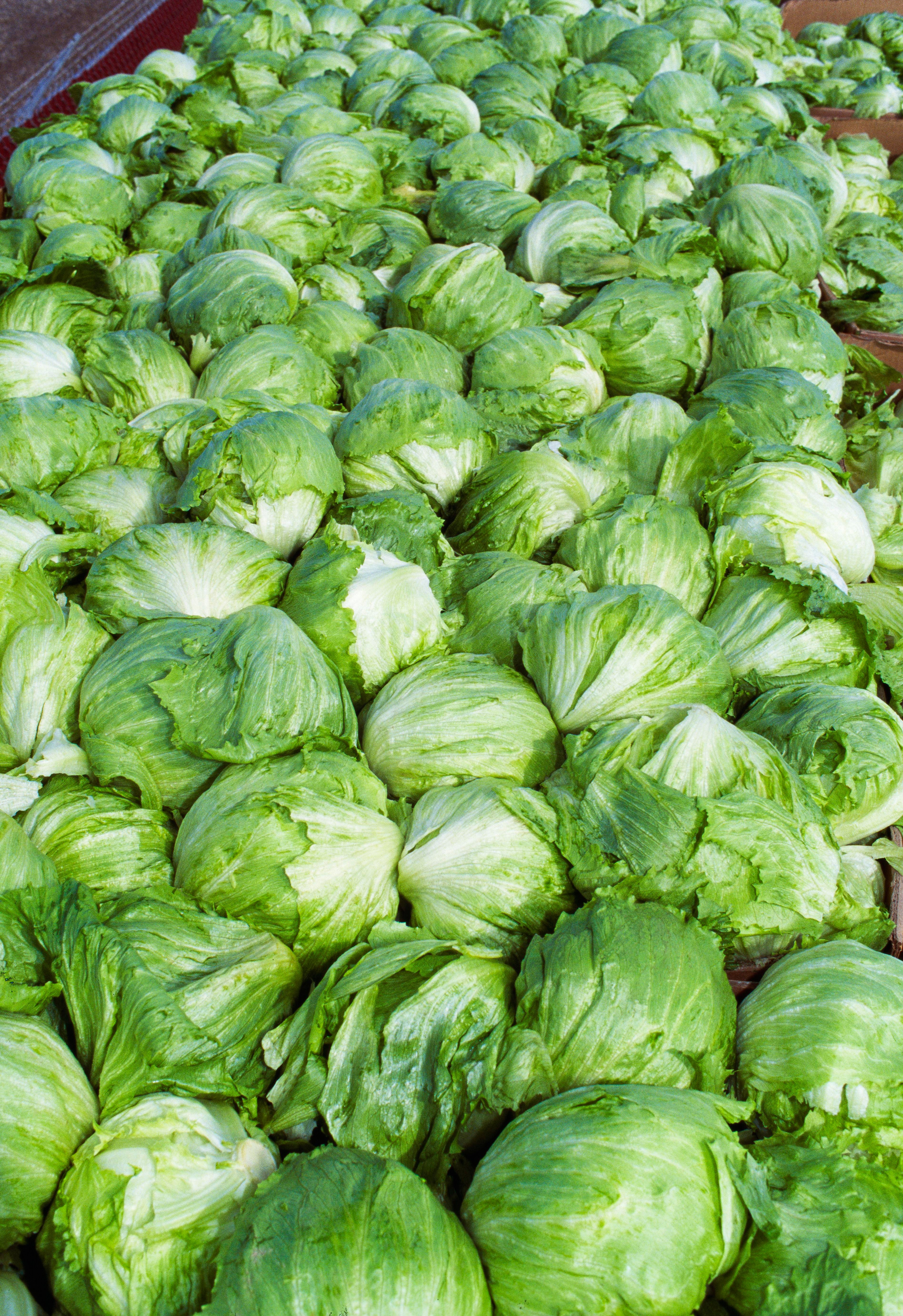
Roughly 1,645 people in five US states have fallen ill with cyclosporiasis after eating at Taco Bell, US health officials said on 17 July 2026, and the chain has begun removing lettuce from its restaurants while federal investigators trace the contamination to a supplier linked to farms in Mexico. The US Food and Drug Administration told the company to stop using iceberg lettuce from a supplier tied to the outbreak, according to the BBC, and Taco Bell has said it is pulling all of the affected product from its menu.
The episode is the latest in a string of cyclospora outbreaks that have followed fresh produce imported from Mexico, and it lands at a moment when the FDA is under pressure to demonstrate that its import-alert system can catch contamination before it reaches a national chain. The chain's response, and the speed with which the supplier's name surfaced, will shape whether the outbreak is treated as an isolated lapse or as a structural problem in the leafy-greens supply chain.
What the outbreak looks like
The parasite in question, cyclospora, causes a prolonged, watery diarrhea that the BBC describes as "explosive." According to the BBC's reporting on 17 July at 21:27 UTC, US health officials have linked about 1,645 infections across five states to lettuce served at Taco Bell. The Deutsche Welle report published on 18 July at 00:15 UTC added that officials believe the contamination may extend beyond the states initially identified, an admission that turns the case count into a moving target rather than a closed ledger.
The pattern is familiar to anyone who has tracked US food-safety outbreaks in the past decade. Cyclospora outbreaks in 2018, 2019, 2020 and 2024 were all traced to fresh produce imported from Mexico, where the parasite's oocysts persist in water used to irrigate leafy greens. The bacteria does not spread person to person; outbreaks travel with the bagged salad, not the worker, which is why the supplier, not the restaurant, is the unit of investigation.
The supplier in the frame
Taco Bell said on 17 July that it had removed all affected Taylor Farms lettuce from its restaurants, according to a post on X by user @pirat_nation timestamped 22:44 UTC the same day. Taylor Farms, a major US produce processor that supplies bagged salads and chopped vegetables to foodservice and retail customers, is the supplier US health officials have linked to the implicated product. The chain framed the removal as precautionary and, in a customer message cited in that post, said the menu change was limited to the affected lettuce rather than a blanket recall.
By 23:35 UTC on 17 July, the Polymarket account on X reported that Taco Bell had announced its food was "safe" again after the lettuce removal, a reassurance that resolves the immediate customer-facing question but leaves the broader supply question open. If Taylor Farms was the conduit, the same product could plausibly have moved through other restaurant customers and grocery labels, and the FDA's investigation, not the chain's announcement, will determine that.
Why Mexico, and why now
Mexican leafy greens enter the US supply chain through a tightly regulated but heavily trafficked corridor, and cyclospora contamination has historically clustered in the late spring and summer months when irrigation water use peaks. The FDA operates a voluntary qualified importer program and issues import alerts on specific firms found to have shipped contaminated product, but the system depends on a combination of border sampling, traceback investigations and supplier audits. The five-state case count suggests a single lot of iceberg lettuce moved widely before the link to Taco Bell was established, which is the failure mode the import system is designed to prevent.
For Mexico's produce exporters, the outbreak lands in a fragile commercial moment. US import volumes of fresh vegetables from Mexico have grown steadily under USMCA, and individual contamination events can prompt retailers to switch suppliers or origin countries in ways that take years to undo. The Mexican agricultural ministry has historically responded to such outbreaks by auditing implicated packing houses and tightening water-quality standards, but the public-facing resolution is always slower than the retailer-facing one.
What remains unknown
The case count is provisional. Health officials at both the state and federal level are still interviewing patients and confirming exposure, and the 1,645 figure is likely to move before the outbreak is declared over. The FDA has not, in the reporting available on 18 July, named the specific Mexican grower or growing region tied to the implicated Taylor Farms lot, which means the same supplier could face scrutiny while the farm-level source remains unannounced. And the question of whether the same contaminated product reached other foodservice customers of Taylor Farms is one the supplier, not the chain, will have to answer.
For now, the operational answer is a stripped-down menu. The structural answer, on whether the leafy-greens import system can catch the next cyclospora season before it catches consumers, is still being written.
This article was reported from publicly available wire and social-source reporting dated 17-18 July 2026. Where case counts and supplier attributions are cited, they reflect the latest figures available at time of publication and are subject to revision as the FDA and state health departments continue their traceback.
Wire provenance
This editorial synthesis draws on the following public wire/social posts:
- https://x.com/pirat_nation/status/181234567890123456
- https://x.com/polymarket/status/181234789012345678