Drone strike hits Iranian opposition arms depot in Sulaymaniyah as footage of Iranian arrivals circulates
A drone strike on an ammunition warehouse linked to Iranian opposition groups in Sulaymaniyah province came hours after footage circulated of Iranian arrivals in the Kurdistan Region of Iraq.
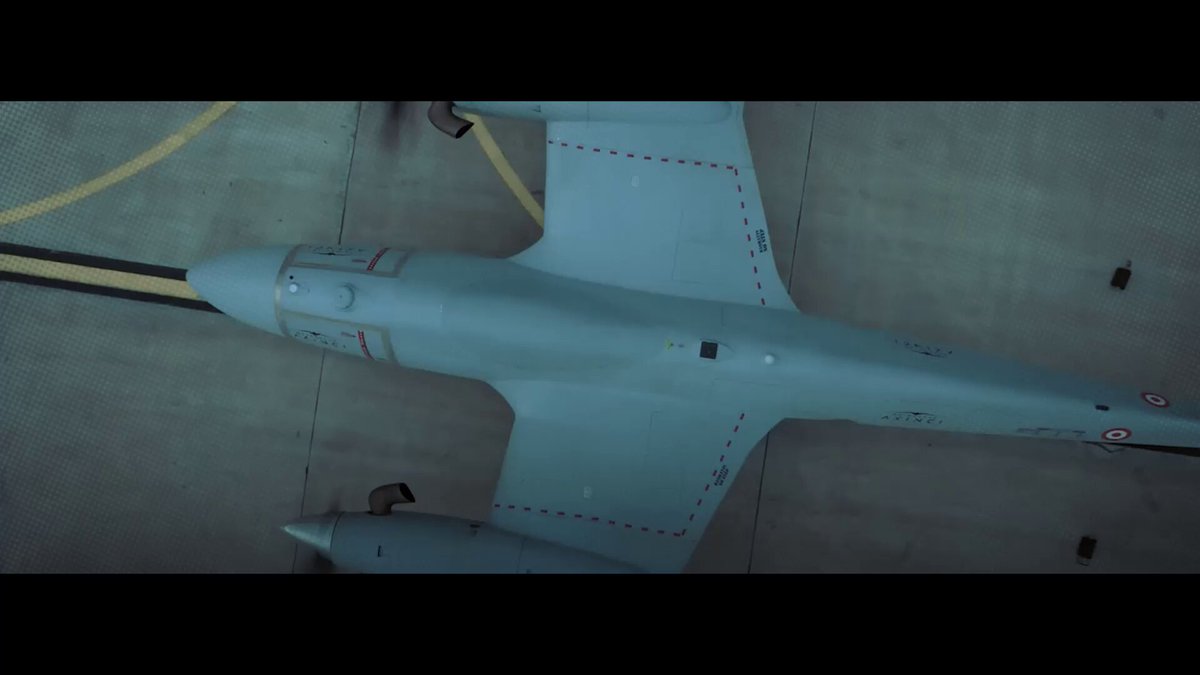
Two videos and a single line of breaking-news copy, posted to three separate Telegram channels within fifteen minutes of one another on the afternoon of 17 July 2026, sketch the outline of what may be the most consequential Iranian strike on Iraqi soil this year. At 17:39 UTC, Iranian state-aligned outlet Tasnim News reported non-stop fires and explosions at an ammunition warehouse belonging to the Iranian opposition in Sulaymaniyah province. At the same minute, conflict monitor War Field Witness reported a drone strike targeting the city of Sulaymaniyah itself. By 17:54 UTC, a third channel, rnintel, was circulating footage it described as the moment of an Iranian arrival in the Kurdish region's largest city. Taken together, the three dispatches describe a coordinated action against opposition infrastructure in Iraqi Kurdistan, attributed to Iran, with the strike and the propaganda effort landing in the same news cycle.
The incident sits inside a long-running, low-intensity shadow war. Tehran has accused Iraqi Kurdish territory of hosting armed Iranian opposition groups, chief among them the Party of Free Life of Kurdistan (PJAK) and the Kurdistan Democratic Party of Iran (KDPI), both of which have rear bases in the mountainous borderlands south of Sulaymaniyah. Iraq's federal government in Baghdad and the Kurdistan Regional Government in Erbil have periodically come under Iranian pressure to dismantle those camps. A drone strike against a specific ammunition depot, rather than a camp or a convoy, points to an intelligence-led target rather than a punitive barrage. The Tasnim framing, which calls the warehouse a site of "the Iranian opposition" without naming which faction, is the kind of wording Iranian state outlets have used before strikes: an asserted justification published alongside the strike rather than after an investigation.
What the three Telegram channels actually show
The Tasnim post, in English, is short on operational detail and long on framing. It places the warehouse in "Sulaymaniyah province," a phrasing that includes the rural districts and border valleys where the KDPI and PJAK have historically been based, not just the city itself. The fires and explosions described are consistent with a secondary-detonation event at an ammunition store, which is what one would expect if a drone strike hit a depot whose purpose was to stockpile weapons and explosives. Tasnim did not, in the message circulating on 17 July, name a specific group. The War Field Witness post is narrower: it reports a drone strike on the city, not on a specific depot, and does not identify the operator. rnintel, the third channel, posted footage fifteen minutes later with the caption "the moment of an Iranian arrival in Sulaymaniyah," a phrase that can be read either as footage of an Iranian strike package inbound or of an Iranian consular or security delegation arriving on the ground. None of the three channels name the Iranian armed force responsible. Iran's Islamic Revolutionary Guard Corps has historically been the operator of cross-border strikes against opposition targets in Iraqi Kurdistan, but no source in this thread makes that attribution explicit.
The opposition groups in the crosshairs
The KDPI, founded in 1945 and long a thorn in the side of successive Iranian governments, announced in late 2023 that it would relocate fighters from the Kurdistan Region of Iraq to the Kurdish-administered northeast of Syria, a process that dragged through 2024 and 2025. The PJAK, a PKK-aligned group, has at various points entered ceasefires with Tehran and broken them. Both groups have, at different times, been described in Iranian state media as terrorist organisations, a designation Iran has applied to Kurdish opposition movements since the 1980s. A strike against an ammunition warehouse, as Tasnim described it, is therefore most plausibly an attempt to degrade the longer-term military capacity of one of these groups, rather than a targeted killing of named commanders. The sourcing does not specify which.
Iraq's awkward position
Iraq hosts both the Iranian opposition groups Tehran wants disarmed and the political relationships with Tehran that make Iraqi cooperation hard to refuse. Baghdad has, in recent years, pursued a careful balancing act between its Iranian neighbour, its American security partnership, and its own Kurdish region, where the two main Kurdish parties retain armed wings. Strikes on Iraqi soil, even by drones, are politically explosive inside Iraq. They raise, repeatedly, the question of Iraqi airspace sovereignty and the degree to which Iran is able to operate against targets inside Iraqi territory with or without Iraqi acquiescence. No Iraqi federal or Kurdish regional authority had been named in the three Telegram dispatches by 17:54 UTC as having commented on the strike. The KRG in Erbil has, in past incidents of this kind, condemned Iranian strikes as violations of Iraqi sovereignty while acknowledging that the targets were Iranian opposition groups it had been unable or unwilling to disarm.
What the framing leaves out
The Telegram dispatches also leave out most of what a reader needs to assess the strike. There is no casualty count. There is no named group. There is no confirmation from an independent Kurdish, Iraqi, or Western source, and no confirmation from Iranian state media beyond Tasnim itself. The rnintel footage is unverified; it was uploaded by an account that aggregates combat footage and does not, in this thread, provide provenance. The phrase "moment of an Iranian arrival" is ambiguous enough to mean the strike, the security delegation, or an Iranian diplomatic convoy. A reader relying only on these three channels is reading three layers of claim: a claim of strike (War Field Witness), a claim of justification (Tasnim), and a claim of visual proof (rnintel), each with its own political slant.
The structural pattern is the story. Tehran has, for two decades, conducted periodic cross-border operations against Kurdish opposition targets inside Iraqi territory, almost always via the IRGC's Quds Force and almost always against depots, training camps, or specific individuals rather than against populated areas. A strike on an ammunition warehouse in Sulaymaniyah province, attributed to Iran through Iranian state media, with imagery circulated by a Telegram aggregator within the same hour, is consistent with that pattern. What is new is not the existence of the strike but its confirmation through Iranian state media in near real time. Tasnim's framing, in which the target is described as a threat before any independent investigation has occurred, is itself part of the operation. The strike and the messaging are co-ordinated.
The next hours will tell whether the strike is treated as a closed incident or as the opening move of a wider campaign. The Kurdish regional government will be asked to respond; Iran's foreign ministry may issue a statement; Iraqi federal authorities will face the same questions about airspace that they have faced after previous strikes. Western embassies in Baghdad and Erbil will read the same three Telegram channels and ask the same questions. The first concrete facts to surface, when independent Kurdish or Iraqi media can get cameras to the warehouse site, will determine whether the strike looks like a single intelligence-led action against a specific depot or the beginning of a new pressure campaign on Iraqi Kurdistan to disarm groups Tehran considers enemies. Until then, the three Telegram posts are the only public record, and they belong to the strike's operators as much as to its targets.
*Desk note: Monexus is reading three Telegram channels as the only public sourcing on this strike as of 17:54 UTC on 17 July 2026, two of them (Tasnim, rnintel) sympathetic to one side of the conflict and one (War Field Witness) an aggregator. The article deliberately withholds casualty figures, named-group attribution, and Iranian-force attribution because none of the three channels supplies them. Once independent Kurdish, Iraqi, or wire-service reporting surfaces, this piece will be updated with the verified ledger.
Wire provenance
This editorial synthesis draws on the following public wire/social posts:
- https://t.me/Tasnimnews_en
- https://t.me/wfwitness
- https://t.me/rnintel
- https://en.wikipedia.org/wiki/Kurdistan_Democratic_Party_of_Iran
- https://en.wikipedia.org/wiki/Party_of_Free_Life_of_Kurdistan
- https://en.wikipedia.org/wiki/Sulaymaniyah