The sirens, the speculation, the silence: unpacking an unverified Gulf alarm
Within thirteen minutes on 16 July 2026, Telegram channels reported sirens in Bahrain, sirens in Kuwait, and explosions at the US naval base in Bahrain. The governments involved have not confirmed any of it.
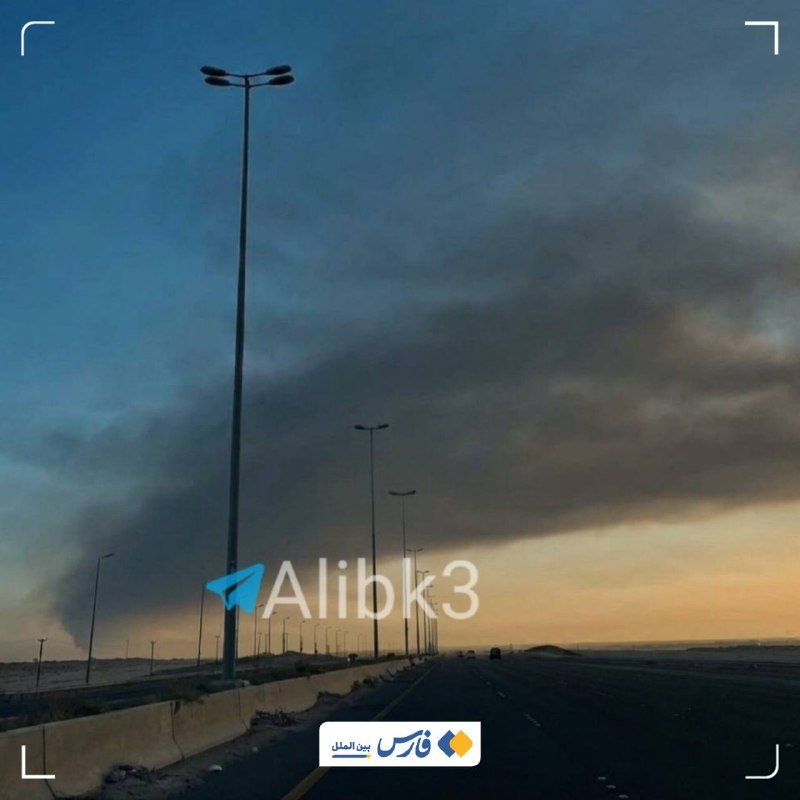
At 23:22 UTC on 16 July 2026, a channel identifying itself as a Gulf eyewitness feed pushed a two-word alert: "Sirens Bahrain." Four minutes later, the same feed posted "Sirens in Kuwait." By 23:27 UTC, a Telegram account citing Arab sources reported heavy explosions at the fifth US naval base in Bahrain. Within the next twelve minutes, two further channels echoed the same picture: sirens sounding concurrently in both Bahrain and Kuwait, explosions audible, and what one channel described without qualification as "heavy activity in Bahrain."
No government on either side of the Gulf has, as of writing, confirmed any of it. That gap between the speed of social-media relay and the silence of official channels is itself the story. In a region where a single confirmed missile strike can move oil futures, sovereign credit spreads, and the timetable of US force deployments within an hour, thirteen minutes of unverified alarm is a policy event.
What the thread actually shows
The chain reads as a single, layered piece of reporting under stress. The first item, at 23:22 UTC, reports sirens in Bahrain with no attribution and no corroboration. Item two, at 23:26 UTC, repeats the format for Kuwait. Item three, at 23:27 UTC, is the first to assert a physical event, claiming heavy explosions at "the fifth American naval base in Bahrain", a reference to Naval Support Activity Bahrain, the US Fifth Fleet's home port, and credits "Arab sources" without naming them.
Items four through six escalate the framing. Item four labels the sirens an "incoming Iranian attack" within two minutes of item three, attributing the claim to a single resistance-aligned channel. Items five and six, posted between 23:35 and 23:39 UTC, consolidate the picture: sirens in both Bahrain and Kuwait, explosions heard, heavy activity at the Bahrain facility. The entire arc, from first siren to consolidated claim of Iranian attack, fits inside seventeen minutes.
The sourcing pattern is consistent: anonymous Arab sources, eyewitness channels, and resistance-aligned feeds. The Bahraini government, the Kuwaiti government, US Central Command, and the Iranian mission to the UN have not, on the public record available here, issued statements within the window the thread covers.
The framing problem in real time
Even by the standards of fast-moving Middle East coverage, the framing inside these items outruns the facts. The first claim that an "incoming Iranian attack" is underway arrives before any of the four governments most directly involved has spoken. The most aggressive framing, in other words, comes from channels structurally predisposed to that read: resistance-aligned feeds with a long history of amplifying Iranian-aligned threat assessments and, in some cases, signals intelligence from Iranian security services.
The legitimate reading is the boring one: air-defence drills, a facility-wide test, a malfunction, or a localised incident that does not amount to an attack. The Gulf's air-raid infrastructure runs frequent, scheduled tests; Bahrain and Kuwait both maintain Soviet-era and Western-supplied warning systems that are occasionally triggered by technical faults. None of those explanations has been confirmed either, but they do not require confirmation to remain live possibilities.
What does not survive scrutiny is the inferential leap from "sirens and explosions" to "incoming Iranian attack" inside two minutes, sourced to channels with an editorial line. The temptation to treat the louder, faster version of events as authoritative is the failure mode this beat exists to resist.
Structural context: the Gulf's information architecture
The Gulf has, over the past decade, become one of the world's most contested information environments. Telegram channels run by resistance movements, intelligence-affiliated outlets, and Gulf-state-aligned counter-channels all operate in the same feed, often within minutes of each other, with no shared standard for sourcing. Reuters, AFP, and the wire services will, when present, eventually adjudicate. But the window between a Telegram push and the first wire confirmation is now routinely shorter than the public's patience to wait.
This is the structural condition that turns thirteen minutes into a market event. Oil traders, sovereign-risk desks, and Pentagon watch-floor officers all ingest these feeds directly. A claim that the US Fifth Fleet's home port is under attack, even unverified, moves price and posture before any official can craft a denial. By the time Bahrain's information ministry issues a clarifying statement, the futures tape has already registered the possibility.
What is known, and what is not
Known: at 23:22, 23:26, 23:27, 23:29, 23:35, and 23:39 UTC on 16 July 2026, six Telegram items reported sirens in Bahrain, sirens in Kuwait, and explosions at or near the US naval facility in Bahrain. The framing progressed from raw alert to confirmed Iranian attack inside seventeen minutes. The sources are anonymous, resistance-aligned, and Gulf-eyewitness channels.
Not known, on this evidence: whether any siren actually sounded, whether any explosion occurred, whether any Iranian actor was involved, whether the US or Bahraini authorities were conducting a drill, whether the events are connected at all, and whether the resistance-aligned framing reflects ground truth or editorial line. The thread context does not specify casualty figures, missile types, flight paths, or radar tracks.
Until official channels speak, this publication treats the thread as what it is: six unverified items from feeds with editorial positions, posted inside a seventeen-minute window, advancing a claim that, if true, would constitute a major act of war. The responsible read is to wait for confirmation, and to note precisely how the claim was constructed in the meantime.
The desk note: where wire outlets are likely to lead with the loudest available framing of any Gulf incident, this publication treats the construction of the claim as itself part of the news. The unanswered question is not whether Iran attacked anyone, but how a chain of resistance-aligned Telegram channels arrived at that conclusion three minutes before any government had spoken.
Wire provenance
This editorial synthesis draws on the following public wire/social posts:
- https://t.me/wfwitness
- https://t.me/JahanTasnim
- https://t.me/FotrosResistancee
- https://t.me/Middle_East_Spectator