Hours after a detained American is released, Iranian air defences engage over Tehran
Within hours of Iran freeing a US citizen held since 2024, air defence activity is reported across central and northeastern Tehran, with state media confirming engagement against hostile objects.
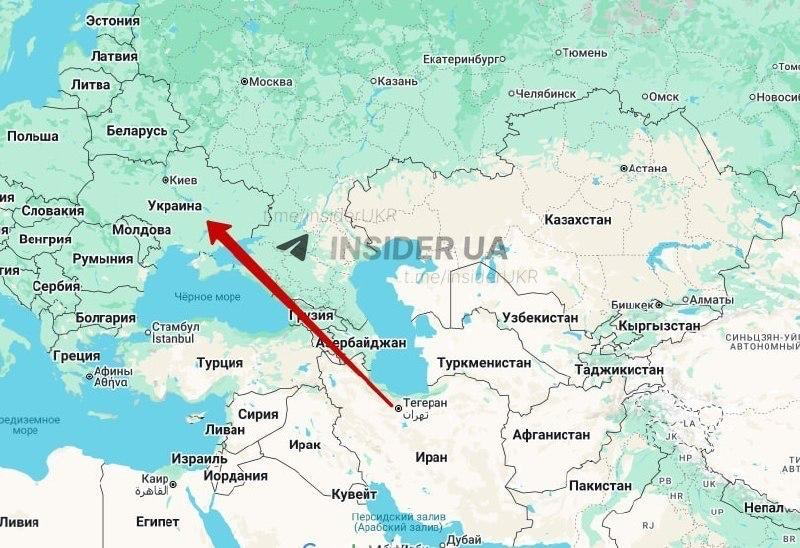
At 23:43 UTC on 15 July 2026, a Polymarket news wire flashed a single line: Iran had released an American citizen detained since 2024, with US President Donald Trump publicly thanking Tehran for what he described as a "gesture of goodwill." By 00:22 UTC on 16 July, the situation over the Iranian capital had visibly shifted. Telegram channels tracking the airspace began logging air defence activity across central and northeastern Tehran. The bursts continued in waves, with Iranian state media confirming air defences were active to counter what it called "hostile objects."
The sequence matters because of the gap between it. A diplomatic gesture from Tehran, announced to financial markets as a goodwill signal, was followed within roughly forty minutes by what multiple open-source channels independently described as live air defence engagements over a city of nine million. Either the two events are unrelated and the timing is a coincidence, or the diplomatic optics of the early evening were never the whole picture.
A release, and then flares
The detainee release arrived first, via the Polymarket news desk at 23:43 UTC on 15 July, with Trump publicly framing it as a goodwill gesture from Tehran. Within thirty-nine minutes, the AMK_Mapping Telegram channel logged air defence activity over Tehran. A second channel, wfwitness, posted the same observation, geolocating the activity to central Tehran. AMK_Mapping followed with two further updates in the next six minutes, specifying that the activity extended into the northeastern part of the capital and was still ongoing.
The most consequential line in the sequence came at 00:28 UTC on 16 July, when wfwitness reported that Iranian state media had gone on the record: air defences were active over Tehran to counter what the official framing described as "hostile objects." The language matters. Iranian state media does not routinely confirm live air defence engagements, and when it does, it usually does so in narrow, defensive terms. The fact that the confirmation came through the same channel that was tracking the activity, rather than through a separately produced statement, suggests the state apparatus was moving in real time rather than preparing the record.
What the open-source record shows
Four separate data points anchor the airspace activity. AMK_Mapping posted first at 00:22 UTC, then again at 00:26 UTC to expand the geography from central to central and northeastern Tehran, and a third time at 00:28 UTC to confirm the activity was continuing. wfwitness corroborated independently at 00:23 UTC and again at 00:28 UTC, adding the state-media confirmation in its second update. Five posts, two channels, one state-media confirmation, in a window of seven minutes. That is a tight open-source record by any standard, though it is also an incomplete one: the channels report what their sources on the ground and in the airspace observe, and they do not specify the origin, the number, or the type of objects the air defences were engaging.
There is also a question of provenance. Telegram channels operating in this space range from independent OSINT accounts with disciplined sourcing practices to partisan outlets that compress and amplify. The state-media confirmation that the air defences were active is the strongest single claim in the chain, because it comes from the actor with the most direct interest in the official version, and because denying live engagements would be easier than confirming them.
The diplomatic read
The optimistic framing is straightforward. Iran released an American citizen. Trump publicly thanked Tehran. The diplomatic channel produced a discrete, human result. The air defence activity is then read as either coincidental, the routine posture of a capital on a permanent watch footing, or the unrelated operations of a system that engages hostile objects on its own timetable regardless of what is happening on the diplomatic line. The detainee is out; the gesture is on the record; the markets, which had priced the release via Polymarket contracts, can settle.
That reading is plausible. It also has a blind spot. Tehran does not usually combine a public goodwill gesture with live air defence engagements over its own capital on the same evening without one being designed to communicate something to the other party. The airspace activity is, in plain terms, a signal. Who it is for, and what it is intended to convey, is the open question.
What remains uncertain
The sources do not specify the origin or type of the objects Iranian air defences were engaging. They do not name the system involved, the altitude of the engagement, or whether any objects were intercepted, destroyed, or simply turned back. The detainee's identity, the conditions of the release, and the terms of the goodwill gesture are also unreported in the open-source record provided. Polymarket news wires are useful signal aggregators, but the underlying primary documents, including any US State Department confirmation of the release, Iranian Foreign Ministry statements, and footage of the engagements, are not in the chain above.
What the record does support is narrow and specific. An American citizen detained since 2024 was released on the evening of 15 July 2026. Within forty minutes, air defence activity was independently reported across central and northeastern Tehran. Iranian state media confirmed the activity and framed it as a response to hostile objects. The two events sit close together in time. The interpretive question, whether the diplomatic gesture and the airspace activity are related or coincidental, is the one this publication cannot resolve from the available record.
Desk note: Monexus has reported the airspace activity and the detainee release as a single chronological story because that is how the open-source record presents them, and has resisted the temptation to assert causation the sources do not support. The state-media confirmation is treated as the strongest single claim in the chain, with the Telegram channels as corroborating rather than stand-alone sources.
Wire provenance
This editorial synthesis draws on the following public wire/social posts:
- https://x.com/polymarket/status/
- https://t.me/AMK_Mapping
- https://t.me/wfwitness
- https://t.me/AMK_Mapping
- https://t.me/wfwitness