439 guns and a cannon in a former MP’s basement: the Canadian firearms case that won’t stay local
A former Conservative MP faces trafficking and weapons charges after police say they found nearly 440 firearms in his home, reopening a Canadian debate the Trudeau government has spent years trying to close.
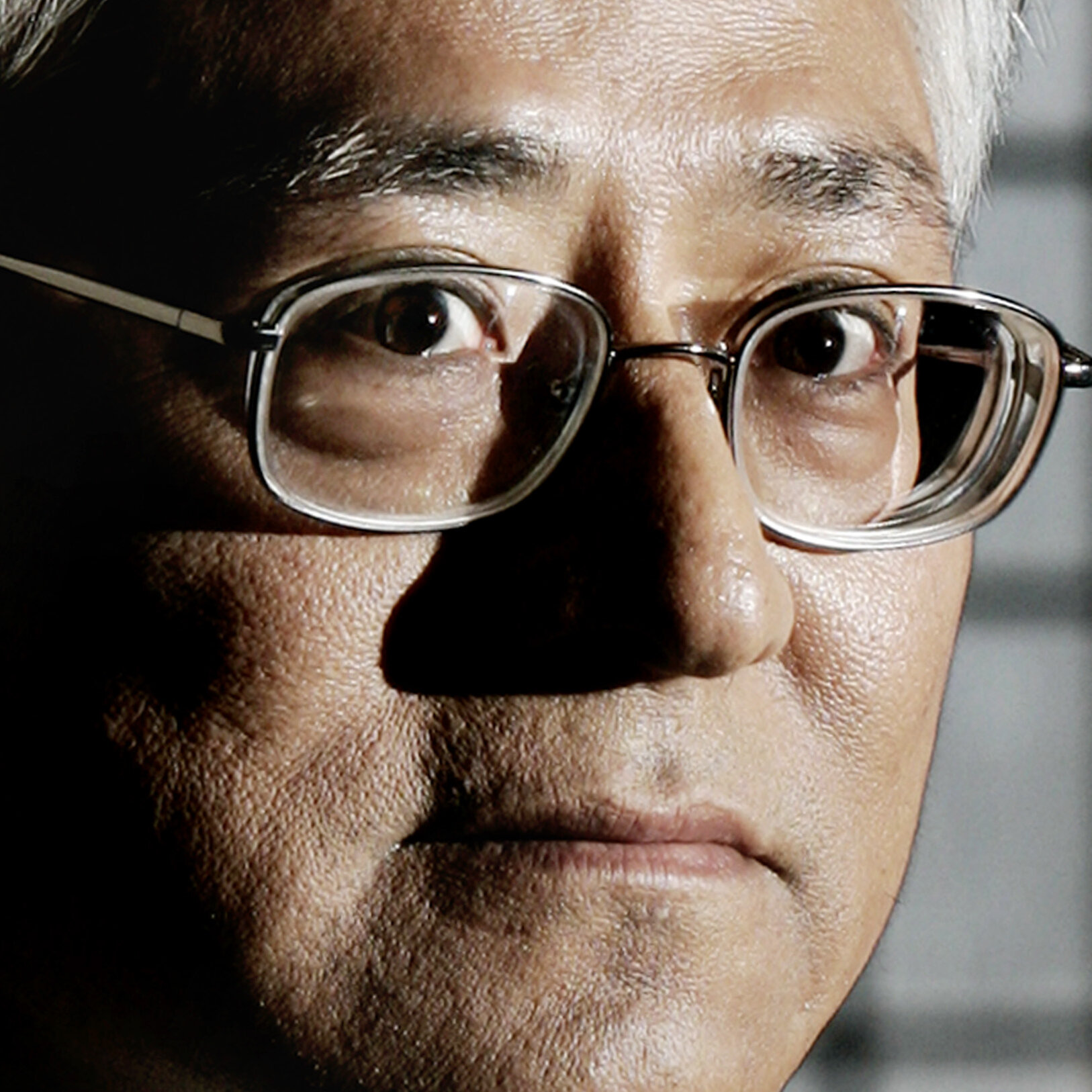
Police in Manitoba say they found 439 firearms, a cannon and large quantities of ammunition stashed in a former Conservative lawmaker’s property, a haul so large that the arresting officers had to call in a tactical explosives unit to handle the artillery piece alone. Inky Mark, 71, a former member of Parliament for the Manitoba riding of Dauphin–Swan River–Neepawa, was taken into custody on 14 July 2026 and charged with firearm trafficking, careless storage of firearms and several offences under the Criminal Code. The case lands at an awkward moment for Ottawa, with the Trudeau government’s flagship gun-control legislation already under political siege from rural conservatives and now confronting a former caucus colleague among the accused.
Manitoba has not seen an arrest at this register in years, and the rhetorical stakes extend well past one man’s basement. Canada’s firearms regime is a relatively narrow statute built atop a permissive licensing system: licensed owners may legally hold dozens of rifles and shotguns, but prohibited weapons, restricted handguns and unregistered firearms are a separate category that turns strict on contact. Police say the search revealed a mix of legal long guns and a substantial unregistered collection, an alleged gap at the centre of the trafficking count. The discovery reads almost as a case study in the limits of paper regulation: a lawmaker with licences, secured rooms, and yet an arsenal that took multiple officers days to catalogue.
The man and the riding
Inky Mark represented Dauphin–Swan River–Neepawa, a sprawling Prairie riding that covers much of west-central Manitoba, from 1997 to 2004 under the Canadian Alliance banner and again from 2006 to 2010 as a Conservative MP. He served as parliamentary secretary to two ministers and built a reputation as a reliable rural voice inside Stephen Harper’s caucus. Since leaving the Commons he has lived in the Interlake region north of Winnipeg, where the property searched by police sits. He is known in Manitoba political circles as a plain-spoken critic of federal firearms policy, particularly the registry imposed under successive Liberal governments and rolled back by the Conservatives in 2012. That history matters: his later weapons charges will be read, fairly or not, against a decade of public opposition to tighter gun laws.
Neighbours in Teulon, the small community near the property, told reporters they had little to say beyond confirming Mark had lived at the location for years and frequently shot on the land. That is a useful check on the national-scale framing already taking shape on Canadian television: the rural Prairies are not a single uniform bloc of gun owners, and Mark’s case, however lurid the details, will be argued in court on evidence that neighbours, by their own account, did not have.
What the charges actually say
Manitoba RCMP said in a 14 July briefing that the cache included 439 firearms of multiple classes, a cannon described as a replica but assessed by technicians as live, and quantities of ammunition measured by the pallet rather than the box. The arrest followed what police described as a several-month investigation, with cooperation from Canadian Border Services Agency on the question of imported parts. Firearm trafficking in Canada is a Crown-prosecutor offence carrying a maximum of ten years for the indictable form and mandatory minimums in cases involving prohibited weapons; careless storage carries lighter sentences but disqualifies an owner from holding licences. None of those numbers is contested so far. The list of charges, however, leaves two questions open that filings expected later this week may address: whether Mark is accused of selling weapons outside his own collection, and whether any of the 439 firearms were of the prohibited class now central to a national buyback.
The political optics are not aligned with the legal record. The Trudeau government’s Bill C-21 would prohibit a long list of semi-automatic rifles and require them to be bought back, an initiative that has stalled against the practical problem of locating and decommissioning hundreds of thousands of registered guns. Rural constituencies from Manitoba to the Maritimes have framed the law as a policy of confiscation without compensation and have used C-21 as a partisan cudgel since 2023. Conservatives, including current leader Pierre Poilievre, have argued the bill targets lawful owners while doing nothing about smuggled handguns in Toronto and Montréal. A former Conservative MP now charged with trafficking undercuts that argument with the kind of specificity the room cannot spin.
The two readings
The dominant wire reading holds up: 439 guns is 439 guns, and a former MP charged under the act he once defended rhetorically is, at minimum, an embarrassment for the caucus he used to sit with. The counter-reading is more generous to Mark and to his rural base, and it must be stated plainly: firearm ownership at scale is legal in Canada, and the charged counts require prosecutors to prove trafficking, not mere possession. If the unregistered weapons in the cache are lawful family heirlooms stored poorly, the careless-storage count survives, and the headline may yet outrun what a court will convict on. Until the indictment is filed in full, the gap between an arresting haul and a prison sentence is wide enough to drive a loaded truck through.
Politically, however, the gap closes. The case will be cited in any future debate over C-21, the buyback program, and the now-perennial partisan argument over who can be trusted with a trigger. Provincial premiers, including Manitoba’s Wab Kinew, will be asked whether Ottawa can credibly run a buyback while the criminal case against a former federal MP is still under investigation.
What remains unknown
The investigation is fresh and disclosures are limited. Police have not said which of the 439 firearms are prohibited versus restricted, how long they lived at the property before the search, or whether other suspects will be charged. The crown has not indicated whether it will seek bail conditions restricting Mark from firearms, which would suggest an intent to argue ongoing risk, or whether the case will resolve by way of plea to lesser counts. The only firm fact on the public record is the size of the seizure and the identity of the man behind it. Anything said about motive, scale of trade, or political motivation is for now commentary rather than reportage.
That uncertainty will not slow the political reaction. By Wednesday evening, both front benches will have something to say, and the cable networks will have weeks of questions about the unlicensed gun market and C-21’s future. A 71-year-old former MP sitting in a Manitoba holding cell won’t be the one answering them.
Wire framing note: Monexus covered the arrest on the day news broke, reporting from the Manitoba RCMP briefing and the original New York Times wire. The piece resists the immediate partisan pivot in either direction: charges are described as charges, the rural firearms ownership tradition is given weight, and counter-arguments are laid out before the editorial verdict.