Kenya's Junior Starlets punch a ticket, and a question lands on Ruto's desk
President William Ruto has congratulated the Junior Harambee Starlets on sealing qualification for the 2026 FIFA U-17 Women's World Cup, turning a youth result into a national talking point about investment, scouting and what comes next.
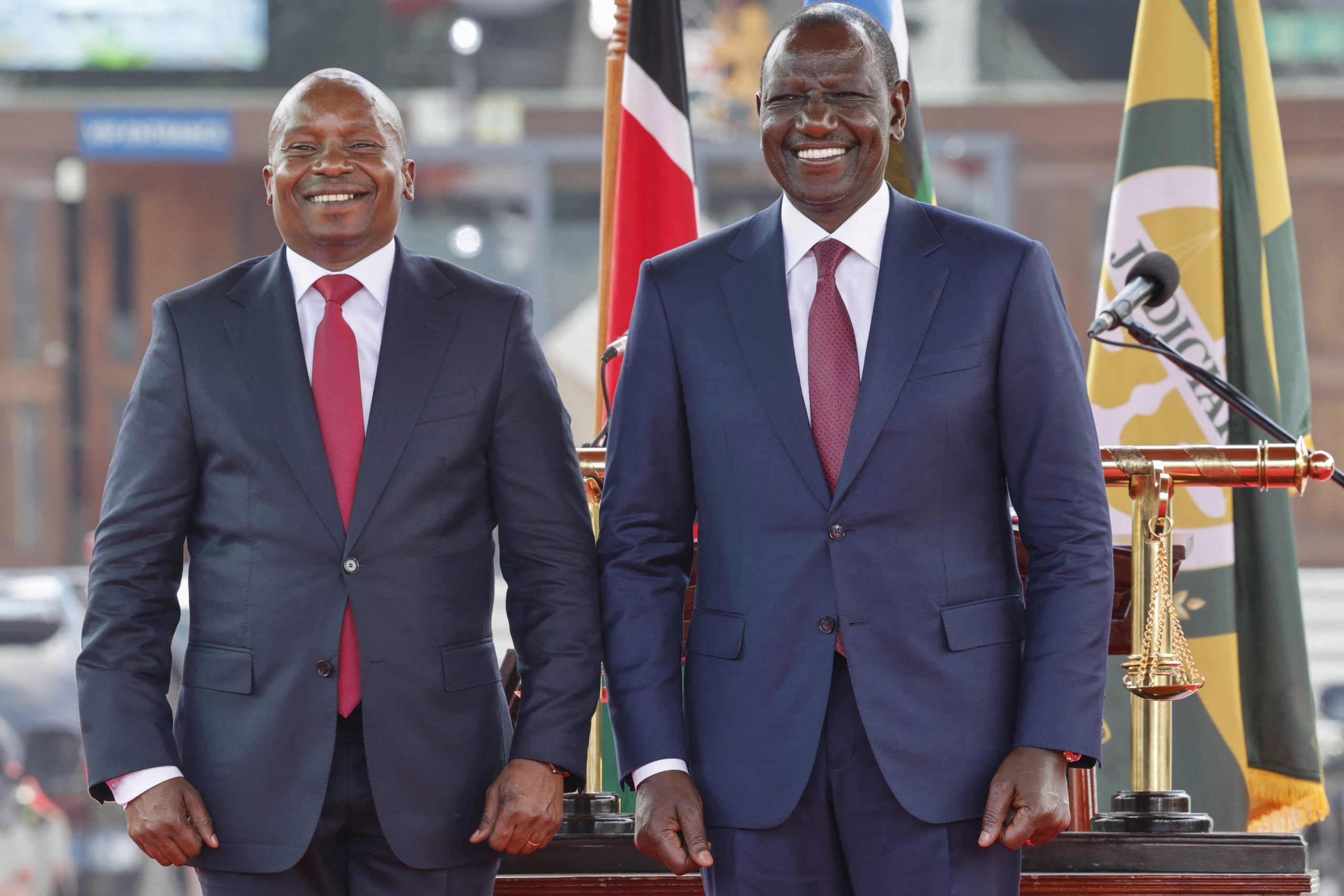
At 06:33 UTC on 13 July 2026, the news desk at The Star Kenya pushed a single Telegram bulletin: President William Ruto had congratulated the Junior Harambee Starlets on qualifying for the 2026 FIFA U-17 Women's World Cup, calling their victory over South Africa a historic achievement. The sentence did the work of a hundred social-media posts. A youth team had beaten a regional rival, sealed a place at a FIFA global tournament, and the head of state had decided it was worth naming in public.
For Kenyan football, that is not a small combination. Youth qualification at the women's level has been rare enough in East Africa that each one resets the ceiling of what the next cohort is told to expect. Ruto's response, by attaching the weight of the presidency to the result, also reframes the conversation: not just whether the team can compete, but whether the state intends to keep investing once the applause dies down.
A result that earns more than a trophy
Qualification is the headline, but the underlying shape matters more. The Junior Harambee Starlets are the country's under-17 women's side, the developmental layer beneath the senior Harambee Starlets who have carried Kenyan women's football on the continental stage. Beating South Africa to book a U-17 World Cup slot means Kenya will be one of the African representatives at the tournament, joining a peer group that includes sides with longer institutional histories in the women's game.
Ruto's congratulatory message, as carried by The Star Kenya, framed the victory as historic. The word is doing some load-bearing work. Kenyan women's youth teams have produced moments before, but a World Cup ticket at this age band sets a specific marker: it gives Football Kenya Federation (FFK) a tangible deliverable to point to when negotiating federation grants, sponsor interest and slot allocation at upcoming age-grade tournaments.
Why the president weighed in
Presidential congratulations for youth teams are a familiar Kenyan political reflex, but they are not free. They commit the office to a storyline, and they invite scrutiny of what follows. Ruto's government has framed sports infrastructure as part of a broader youth agenda, and a women's football success slots neatly into that pitch: a pipeline that takes a player from county academy to national team, with a federation and ministry shepherding the route.
The political logic is straightforward. A U-17 World Cup appearance gives the state a deliverable to point at in the next budget cycle. It also gives FKF a louder seat at the table when the Sports Ministry doles out grants and when corporate sponsors decide which properties to underwrite. The risk is the inverse: if the federation cannot convert a one-off result into sustained pathways for the next two cohorts, the congratulatory statement becomes a receipt for an outcome, not the start of a programme.
The structural pattern behind the photo-op
African women's football at youth level has been moving for a decade, and the velocity is uneven. Nigeria's U-17 women have been a fixture at global tournaments; Ghana, Cameroon and Zambia have broken through in waves. Kenya's entry into that conversation is part of a wider thickening of the talent pool in East and Southern Africa, where federation academies, school competitions and diaspora scouting have widened the funnel. The Starlets' win sits inside that trajectory rather than outside it.
That wider trend has implications for FIFA's own developmental footprint. The 2026 U-17 Women's World Cup is one of the formats where the federation's investment thesis gets tested publicly: more qualified teams from more confederations mean more markets to grow, more broadcasters to court, and more political capital for the host federations that deliver. A Kenyan side at the tournament is, in that sense, both a domestic story and a small data point in a global growth chart.
What to watch before kickoff
The next two tests sit outside the dressing room. The first is the squad list: which of the players who beat South Africa make the cut for the tournament itself, and how FKF handles release from school and club commitments. The second is money. FIFA allocates preparation funding to qualified federations, but the size of the Kenyan federation's own contribution, and whether it lines up with the pledges that tend to follow a presidential congratulation, will determine whether the team arrives as a competitive unit or a photo opportunity.
There is also a softer question the sources do not settle. The Star Kenya's bulletin records the congratulations and the historic framing, but not the substance of any new funding commitment, training camp plan or squad announcement. For now the headline is the result, and the rest is a promissory note.
Desk note: Monexus frames this as a youth-sports result with downstream governance implications, not as a soft-focus national celebration. The presidential message is the news peg; the federation's next moves are the story.
Wire provenance
This editorial synthesis draws on the following public wire/social posts:
- https://t.me/TheStarKenya
- https://en.wikipedia.org/wiki/Kenya_women%27s_national_under-17_football_team