Strait of Hormuz edge: explosions in Kuwait, Iranian state media claim fresh strikes on Qeshm and Kashm
Within two hours on 12 July 2026, blasts were reported in Kuwait, Iranian state media said new attacks hit Qeshm island in the Strait of Hormuz, and video circulated of a strike on Kashm island in Iran.
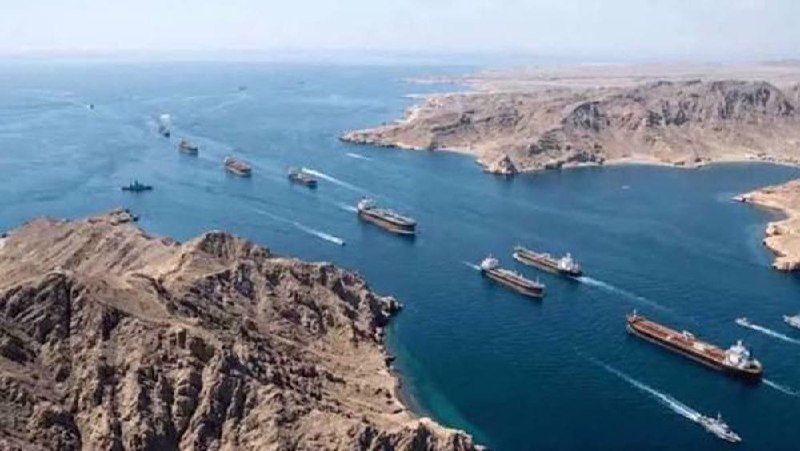
At 15:37 UTC on 12 July 2026, the Telegram channel WarMonitors posted a short alert: explosions, the channel said, had been heard inside Kuwait. An hour later, the same channel carried an Iranian-state-media claim that fresh attacks had been made on military targets on Qeshm island, the Iranian outpost that sits astride the Strait of Hormuz. Thirty minutes after that, WarMonitors pushed video it said was from an American strike on Kashm island, further along Iran's Gulf coast. The three items, dropped into the same afternoon feed, sketch a fast-moving evening on the Persian Gulf whose contours the wires have not yet filled in.
The clustered claims, none of them corroborated by name in the public reporting available as of publication, point at a widening pattern of pressure around Iran's southern maritime flank and at the energy chokepoint through which a significant share of seaborne oil reaches the world. Kuwait, a Gulf Cooperation Council state and US basing partner, lies just south of the Iranian coast; the Strait of Hormuz, framed by Iranian territory on the north and Oman's Musandam exclave on the south, is the narrowest point in the route. Any kinetic activity along that arc carries a price tag well beyond the bay it occurs in.
What the three alerts say, and what they do not
The first WarMonitors item, sent at 15:37 UTC, is the loosest: an unverified report of "explosions" inside Kuwait, with no location, no cause and no casualty figure. WarMonitors is an open-source intelligence aggregator on Telegram; its primary product is speed, not attribution, and the post did not name a launch site, a target, or a source inside Kuwait. Reporting from Reuters, the BBC or Al Jazeera that would have backstopped the claim was not visible in the thread's inputs at the time of publication.
The second item, timestamped 16:37 UTC, attributes the claim to Iranian state media, which it says reported new attacks on military targets on Qeshm island. Qeshm is Iran's largest island in the Gulf and hosts Iranian Revolutionary Guard Corps naval and missile facilities; it also sits immediately off the shipping lane that the IRGC has, in past confrontations, harassed. The qualifier matters: the claim originates with Iranian state media, an interested party in framing an escalation, and runs through an aggregator that openly publishes on the same feed. There is no independent geolocation, no photos of impact points and no radar-track data attached.
The third item, posted at 17:07 UTC, is a video the channel says is from an "American attack on Kashm island, Iran." Kashm is a smaller island in the Strait of Hormuz with a known IRGC and Iranian naval presence. "Reportedly from" is the channel's hedge; the video itself, if genuine, would be the most concrete artefact of the three items. Whether the clip can be timestamped, geolocated and matched against open satellite imagery is the kind of work that takes hours, not the minutes that have elapsed since the post.
Where the geography actually is
Kuwait shares a 250-kilometre land border with Iraq and a roughly similar maritime border with Iran across the northern Gulf. The country's Gulf-facing bases at Ali al-Salem and Ahmed al-Jaber are dual-use with US Central Command; Kuwait was a launch point for coalition air operations during the 2003 Iraq war and remains a hub for US Air Force and Navy activity in the Gulf. The Strait of Hormuz, the chokepoint pressed against Iran and Oman, sees roughly a fifth of global seaborne crude on the busiest shipping days of any given month. Insurers at Lloyd's of London route Gulf-bound tanker premiums through the Joint Maritime Information Centre in Manama, which has, during past escalations, issued advisories within hours of any incident affecting navigation.
Qeshm and Kashm sit at the heart of that geography. Qeshm, the larger island at roughly 1,491 square kilometres, hosts elements of the IRGC Navy and ports that have been publicly identified by Western navies as relevant in past contingencies. Kashm, smaller and further east, has featured in earlier IRGC press coverage as a forward missile and naval position. Strikes on either site, if the Iranian-state-media framing or the WarMonitors video holds up under independent verification, would sit at the upper end of the kinetic operations conducted on Iranian soil in recent memory.
Why the clustering matters even before it is verified
Three separate Gulf-facing claims compressed into roughly ninety minutes is itself the story, whether or not each post proves out. Iranian state-media framing of "new attacks" suggests the Islamic Republic wants to establish a public baseline of being targeted; the Kuwait alert, if real, would put a GCC capital and US basing host inside the same reporting window; the "American" strike video would, if corroborated, hand Tehran a default escalation story.
The standard caution applies: Telegram aggregators move faster than wire desks can confirm, and a single channel with a sponsor sticker does not a verification chain make. The cleanest reading, pending independent reporting from Reuters, the BBC, Al Jazeera or the Iranian outlets Mehr News and Tasnim in their own words, is that some combination of kinetic activity around Kuwait and Iran's island chain is plausible enough to circulate among war monitors, but the chain of custody behind the claims is one-sided. Monexus treats the cluster as an early, fragmentary picture rather than a confirmed sequence.
What remains to be confirmed
The single most important open question is independence of sourcing. Were the Kuwait blasts reported by any Kuwaiti official account? Did the IRGC or any Iranian outlet carry video, satellite imagery, or a casualty statement on Qeshm or Kashm? Did CENTCOM or US Naval Forces Central Command in Bahrain issue any operational note? Did Lloyd's Market Association, the Joint Maritime Information Centre, or any major operator such as BP, Maersk or Stena publish a routing advisory? Were Saudi, Emirati or Omani spokespeople asked? On the video said to be from the American strike on Kashm, the open-source-community benchmarks are visible: time of day, shadow angle, satellite-match, watermark analysis, cross-check against any official flight path published in the next 24 hours. Until any of those threads is filled in, the most Monexus can responsibly say is that WarMonitors pushed three alerts in ninety minutes, each of them pointing at a different part of the same arc, and that the Gulf's shipping, basing and political infrastructure all sit on that arc.
Stakes if the trajectory continues
For oil markets, even an unverified sequence around the Strait tends to move the front of the curve. The 2019 attacks on tankers in the Gulf of Oman and the September 2019 strike on Saudi Aramco's Abqaiq facility each added measurable premiums within hours, before attribution was settled, because the implied risk to the route does not wait for a press conference. For Iran's regime, being publicly cast as the target of strikes against the IRGC's island chain would feed a domestic narrative on which Tehran has relied for political cover at moments of internal strain; the Iranian framing of the 16:37 UTC alert is consistent with that posture. For the GCC states hosting US forces, the Kuwait alert, if substantiated, would put the geography of any retaliation options on the table in plain sight. And for Washington, any confirmed American strike on Iranian territory inside the Strait of Hormuz would be a category event, not a category error, and the policy and Congressional response would not be a matter of hours.
The next reading on this story should come from wire reporting that names a source inside Kuwait, a casualty statement from Tehran, an operational note from CENTCOM, or a verified geolocation of the Kashm video. Until at least one of those moves, the Gulf is in the warning phase, not in the confirmed-phases phase. Monexus will update as the chain of custody fills in.
How Monexus framed this: an unverified three-post cluster from a single Telegram channel is treated as the opening of a story rather than the story itself. Wire-level confirmation, attribution and geolocation are flagged as the next evidentiary steps rather than backfilled with assumed facts.
Wire provenance
This editorial synthesis draws on the following public wire/social posts:
- https://t.me/s/WarMonitors
- https://t.me/s/WarMonitors
- https://t.me/s/WarMonitors