Iran Recasts Hormuz as Deterrence, but the Details Are Missing
Major General Rezaei has described the Strait of Hormuz as a strategic deterrent and part of Iran's national capabilities. The language is consequential, but thinly sourced reports leave crucial questions about his role, intent and any accompanying action unresolved.
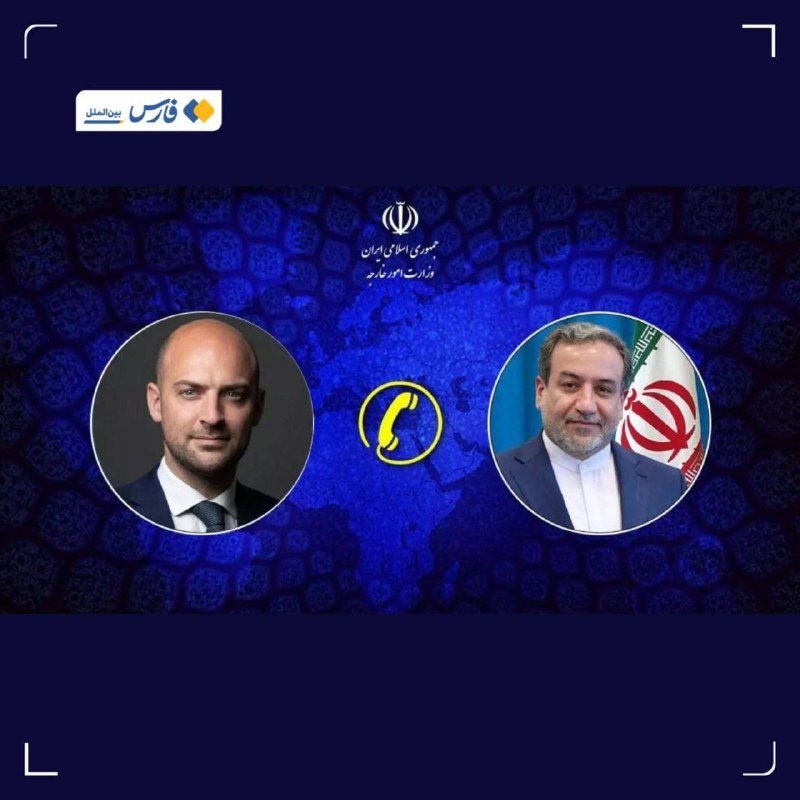
At 09:05 UTC on 12 July 2026, Al Alam Arabic circulated an urgent statement attributed to Major General Rezaei: the Strait of Hormuz functions as a strategic deterrent, and Iran will continue protecting its interests through its defence capabilities and national potential. At 09:32 UTC, the WFWitness channel repeated the statement, adding that Rezaei had described the waterway as a key component of national security. The second account also identified him as an adviser to Iran's supreme leader, although that role and the name attached to the office were not independently established by the material available to Monexus. The message is clear. Its provenance is not.
That distinction matters because the reports describe no closure, interception, deployment, exercise or change in navigation through the strait. What they document is strategic signalling: an Iranian military figure publicly placing a globally consequential waterway inside Tehran's deterrence vocabulary. The strongest reading is that Rezaei meant to remind outside powers that pressure on Iran carries maritime risk. The more alarmist reading, that an operational disruption is imminent, is not supported by these reports. Hormuz is being presented as leverage, but the available evidence establishes rhetoric rather than action.
A warning without an operation
The first report attributes two linked claims to Rezaei. The strait serves as a strategic deterrent, and Iran intends to protect its interests by relying on defence capabilities and national resources. The later WFWitness item sharpens that framing by saying Iran will preserve Hormuz as part of its national security capacity. Neither account provides a full transcript, the venue at which Rezaei spoke or the audience he addressed.
Those omissions prevent a firm judgment about the statement's immediate purpose. Remarks delivered during a military ceremony can carry a different practical meaning from language issued during an unfolding maritime confrontation. A prepared interview may reflect settled policy; a short excerpt may compress or distort a broader argument. The available items do not allow readers to distinguish among those possibilities.
Nor do they specify what Rezaei meant by preserving the strait. The phrase could refer to defending Iranian access, maintaining the capacity to influence maritime conditions, or asserting that the waterway belongs within Iran's wider security doctrine. These interpretations overlap, but they are not identical. The source material supplies no operational definition.
The geographical subject is nevertheless unambiguous. Rezaei was discussing the Strait of Hormuz, not an abstract doctrine detached from place. By calling that waterway a deterrent, he treated geography itself as a security asset. The statement's force comes from the implied relationship between control, vulnerability and the costs an adversary might face. Yet an implication is not an order, and deterrent language is designed to influence choices before force is used.
This is why precision should outrank drama. The reports contain no stated duration, force level, distance, financial figure, casualty count or timetable. They identify no foreign counterpart and describe no incident at sea. Any account that converts them into a report of imminent closure would be adding facts the underlying material does not contain.
The attribution problem
The reporting chain becomes less reliable at the point where it attempts to define Rezaei's institutional position. Al Alam Arabic calls him Major General Rezaei but does not, in the supplied text, describe him as an adviser. WFWitness adds that title and names the supreme leader as Mojtaba Khamenei. The available material provides no primary statement, official biography or government notice corroborating that description.
Monexus therefore cannot confirm the advisory role from these inputs. That is not a minor editorial qualification. Institutional rank determines whether a statement should be read as personal commentary, military messaging or an authoritative declaration of state policy. A major general may speak with substantial standing while still stopping short of announcing a government decision. An adviser may convey proximity to power without possessing operational command.
The two WFWitness entries at 09:32 and 09:35 UTC also appear to carry substantially the same wording. Repetition can make a claim look multiply confirmed when it is merely recirculated. In this case, three thread items represent two channels, and two of the items are near-duplicates from one of them. That record supports the conclusion that the statement circulated quickly. It does not provide three independent confirmations.
There is a further textual warning. The Al Alam excerpt, as supplied, repeats the idea of national capabilities in slightly different wording. That may reflect translation, transcription or clipping by the distribution channel. The source material does not establish which. Treating every word as a polished official formulation would assign the excerpt more precision than it can bear.
A plausible alternate explanation is that Rezaei's language was primarily defensive. The reports say Iran will protect its interests and preserve the strait; they do not quote him threatening civilian shipping or announcing a blockade. On that reading, the statement seeks to portray Iran as the guardian of its own security position rather than the initiator of a crisis. That interpretation deserves space because it follows the words actually supplied.
It is still incomplete. Describing a strategic waterway as a deterrent necessarily advertises the costs Iran believes it can impose or withhold. Even defensive language can be coercive when the object being discussed is a maritime passage rather than a weapon kept inside national territory. The measured conclusion is not that Rezaei issued a specific threat. It is that he publicly framed access and influence around Hormuz as bargaining power.
Geography becomes leverage
Deterrence depends on an adversary believing that an unwanted action will produce unacceptable costs. Rezaei's formulation places Hormuz inside that calculation without specifying the mechanism. The ambiguity may be deliberate. A detailed threat can invite countermeasures and create pressure to follow through. A broad reference to national capabilities preserves room to manoeuvre while ensuring that foreign governments hear the warning.
That approach also turns a local security claim into an international signal. Iran's interests are the stated object of protection, but the waterway invoked is not presented merely as coastline to be defended. It is described as a strategic factor in its own right. The distinction is central: territory confers sovereignty, while a chokepoint can confer leverage beyond the state's borders.
The rhetoric should not be stripped from Iran's own framing. According to the circulated statement, Tehran's position is that national defence capacity protects legitimate interests. Nothing in the supplied accounts says Rezaei called for indiscriminate harm, celebrated attacks on civilians or announced that ordinary maritime traffic had become a target. Security coverage loses accuracy when every Iranian deterrence statement is automatically rewritten as an operational ultimatum.
But the opposite error is equally serious. Calling Hormuz a component of national capabilities moves the waterway into the language of instruments that can shape another actor's behaviour. That is more than a general affirmation of sovereignty. It signals that maritime geography forms part of Iran's answer to external pressure.
The statement therefore sits inside a larger contest over who gets to define security at strategic corridors. Powerful states usually describe their own military access as stability and an adversary's capacity to contest it as disruption. Regional states answer that outside power cannot claim neutral stewardship over routes beside their territory. Rezaei's wording compresses that dispute into one phrase: strategic deterrent.
The evidence does not permit a verdict on how much practical capacity stands behind that phrase. The reports mention defence capabilities and national potential but name no unit, platform or readiness measure. They do not say whether the statement followed a new threat, negotiation or military development. Structural importance cannot substitute for event-level proof.
What to watch next
The immediate stakes are reputational and strategic rather than demonstrably operational. Iran gains if foreign decision-makers treat the prospect of maritime consequences as credible without Tehran taking an observable step. Its opponents gain if they can distinguish messaging from preparation and avoid allowing an ambiguous statement to dictate policy. Commercial operators lose if political amplification turns uncertainty into a risk signal unsupported by activity described in the sources.
That last point requires restraint. The thread contains no freight rate, insurance premium, shipping notice or market reaction. It offers no evidence that a vessel changed course or that traffic was interrupted. The economic consequences commonly associated with Hormuz cannot be presented here as an event that has already occurred. On 12 July 2026, the documented development is a statement and its rapid circulation.
The next meaningful indicator would be corroboration from an official Iranian channel that supplies Rezaei's exact position, the full remarks and their context. After that, the decisive evidence would be action: a formal navigation measure, a military announcement, a documented change around the strait or explicit diplomatic linkage between Hormuz and a named dispute. None appears in the available reports.
Media handling is part of the stakes. Telegram's compression rewards urgency while stripping away venue, hierarchy and qualification. A short phrase can cross channels in minutes, acquire an official title on the way and emerge as something more definitive than the first item established. The progression from 09:05 to 09:35 UTC illustrates that risk without proving deliberate manipulation by either channel.
For now, Rezaei's formulation is best read as calibrated ambiguity. It reminds outside powers that Iran considers Hormuz integral to its deterrent posture while avoiding a stated operational commitment. That gives Tehran rhetorical leverage and preserves deniability over the consequences others may infer.
The date to watch is not a scheduled summit or deadline, because none is supplied. It is the date on any subsequent primary release that converts this compressed message into accountable policy. Until one appears, the distance between a strategic warning and a maritime act remains the most important fact in the story.
Desk note: Monexus treats the circulated remarks as consequential strategic signalling, while separating the verified wording from uncorroborated claims about office, authority and operational intent.