At least 27 dead in overnight Bangkok pub fire, Thai authorities confirm
A fire that tore through a pub in northern Bangkok just after midnight on 12 July 2026 killed at least 27 people, according to Thai authorities, in one of the deadliest civilian blazes to hit the Thai capital in recent memory.
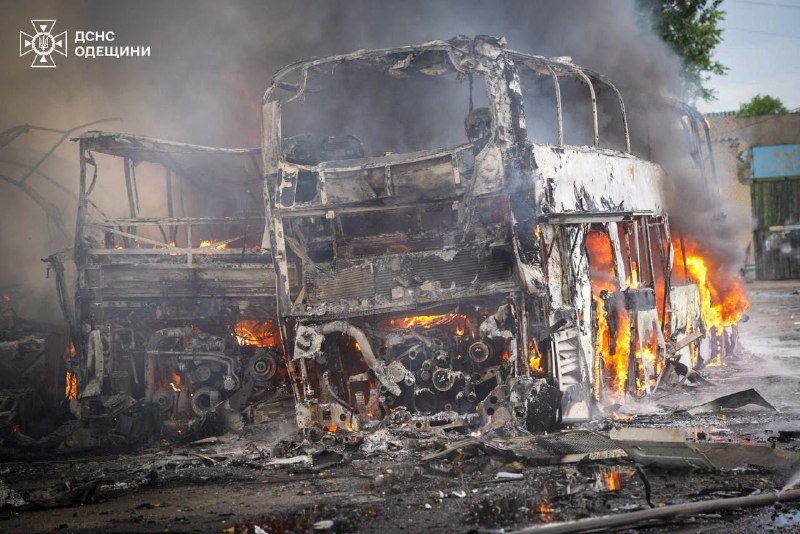
Firefighters were called to a pub in the northern part of Bangkok just after midnight local time on 12 July 2026 and found patrons fleeing through a flame-enveloped front door. By 19:45 UTC, Thai media were reporting at least 27 dead; by 20:38 UTC, Thai authorities had confirmed the same toll to international wires. Online footage shot by first responders shows a huge blaze raging inside the venue, with plumes of thick smoke pouring out of the entrance as crews worked to reach people still inside. The incident is one of the deadliest single-site fires recorded in the Thai capital in years, and the casualty count is expected to move as hospitals consolidate admissions.
The initial figure came through Thai-language outlets and was carried unverified by the BBC at 19:45 UTC, with the broadcaster flagging that the footage circulating online had not yet been authenticated. Within an hour, the death toll of at least 27 was being repeated by NPR, the BBC World Service Telegram channel and Al Alam Arabic as officials put a name to the scale of the disaster. The pub's location in the northern part of the capital, the timing shortly after midnight and the speed with which the fire took hold all point to the kind of occupancy and exit failures that investigators will now spend weeks unpicking.
What the wires show
The picture is consistent across the four reporting streams Monexus reviewed. BBC News led at 19:45 UTC with "unverified footage" of flames blasting out of the bar as people fled, sourced to Thai media. NPR moved eight minutes later with official confirmation and first-responder video showing "a huge blaze raging and plumes coming out of the front door of the pub in the northern part of the Thai capital." By 20:38 UTC, the BBC World Telegram feed was reporting that Thai authorities had confirmed the same figure of at least 27 killed, adding the operational detail that firefighters had been called just after midnight and had discovered patrons fleeing through the flame-enveloped front door. Al Alam Arabic carried the same toll at 21:01 UTC.
The convergence is unusually tight for an event still in its first news cycle. Four independent feeds, two of them in different languages, settled on the same number within roughly an hour of each other. That matters because it puts a floor under the casualty figure rather than a ceiling. Initial tolls in fires of this type almost always rise as missing-persons reports are reconciled with hospital admissions over the following 24 to 48 hours. The Thai-language reporting that fed the BBC's first wire item may yet surface higher figures once authorities complete the count.
The counter-narrative that isn't there yet
There is no competing account of the fire's cause, no rival toll, no alternative framing from Bangkok authorities or from venue operators. That absence is itself a reporting signal. In the first hours after a disaster of this size, the public record is dominated by emergency services and the wire desks that relay them; the slower journalism, the regulatory record and the survivor testimony come later. What the sources do not yet say is as important as what they do: there is no identification of the establishment by name, no statement from the venue's operators, no preliminary indication of whether the building held a valid occupancy permit, and no early read from the Bangkok Metropolitan Administration on what kind of inspection regime applied.
This is the phase of a story where restraint is the editorial discipline. Initial reporting establishes the scale; the why comes after. Monexus will revisit when Thai authorities, forensic investigators and venue operators have put their version on the record.
What we know about the venue and the response
The four reporting streams converge on a narrow set of facts. The venue is described as a pub in the northern part of Bangkok, the call to emergency services came just after midnight local time on 12 July 2026, and the fire was already advanced enough by the time first responders arrived that patrons were seen fleeing through a flame-enveloped front door. The first-responder footage that NPR referenced shows a blaze large enough to be visible from outside the building, with smoke plumes rising from the entrance. None of the four sources identified the pub by name, named the operating company, or gave a capacity figure for the venue.
That last point matters. The scale of civilian loss in a single-structure fire is almost always a function of three variables: how fast the fire spread, how many people were inside, and how quickly they could get out. The footage suggests a fast-moving blaze with limited egress. The midnight timing suggests a venue at or near full capacity during peak trading hours. The early footage of patrons fleeing through the front door suggests either that the front door was the only viable exit, or that the alternative exits were already compromised. None of these are conclusions the sources support; they are the questions the sources leave open.
Structural context, stated plainly
Thailand has recorded a string of deadly fires over the past two decades, several of them in entertainment venues operating past midnight on weekend nights. The pattern in those earlier incidents, when investigations eventually closed, involved some combination of inadequate fire suppression, overcrowding during peak hours, and exit corridors compromised by storage, decoration or locking arrangements. Whether any of those factors apply here is not yet known, and the sources reviewed do not support any specific finding.
What the sources do support is a single observation: this is now among the deadliest single-site fires recorded in Bangkok in recent years, and the early toll of at least 27 will almost certainly be revised. The reporting cycle on a fire of this size runs from the first-responder footage, through the official casualty confirmation, into the venue identification and inspection history, and finally to the prosecution record if regulators and prosecutors pursue one. Monexus is at the start of that cycle, not the middle.
What remains uncertain
The name of the pub, the identity of its operator, the number of patrons inside at the time of the fire, and the preliminary cause are all absent from the four reporting streams reviewed. The death toll of at least 27 is sourced to Thai authorities via Thai media and relayed by the BBC, NPR, the BBC World Telegram feed and Al Alam Arabic within roughly an hour of each other, but it is a figure that typically moves upward in the first 48 hours of a major fire. The sources do not specify whether any of the dead were children, whether foreign nationals were among the casualties, or how many of those who fled through the front door were subsequently hospitalised.
These are the gaps a reader should expect to be filled over the coming days. They are not gaps this publication will paper over with speculation.
This piece was written from four reporting streams: the BBC's initial wire item on Thai media, NPR's confirmation with first-responder footage, the BBC World Telegram feed carrying Thai authorities' confirmation, and Al Alam Arabic's relay of the same toll. Monexus will update the casualty figure and add venue-specific detail as Thai authorities and venue operators put their version on the record.
Wire provenance
This editorial synthesis draws on the following public wire/social posts:
- https://t.me/BBCWorldoffl
- https://t.me/alalamarabic