US and Lebanese army staff meet in Beirut on Israeli withdrawal pilot zones
A US military delegation sat down with Lebanon's army command in Beirut on 11 July 2026 to work out how Israel would pull back from the first of several 'pilot zones' it still occupies in the south. The arrangement is small, technical, and likely to define what comes next on the ground.
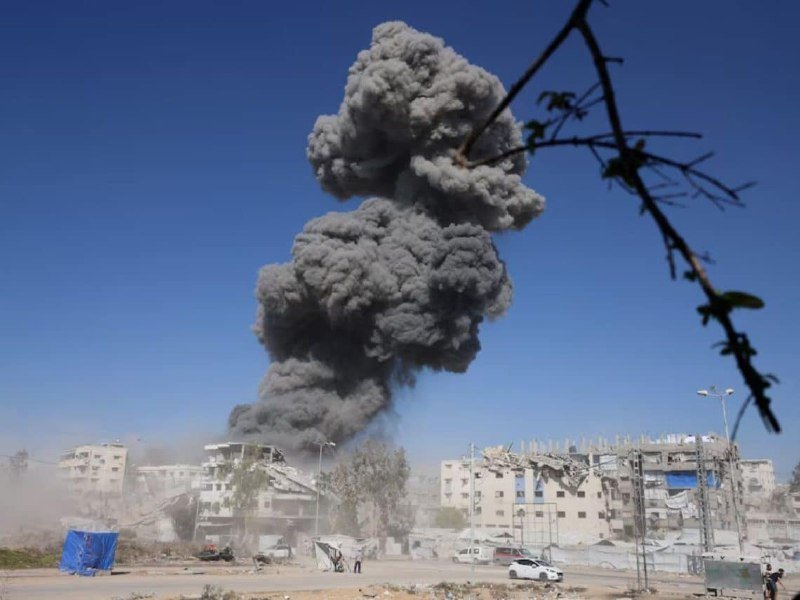
On 11 July 2026, a US military delegation sat down with Lebanon's army command in Beirut to sketch out the mechanics of an Israeli withdrawal from a first "pilot zone" in the country's south, according to a Lebanese military source who spoke to Al Jazeera and to the Beirut-based outlet Middle East Eye. The meeting, disclosed within hours of taking place, is the most concrete indication yet that the November 2025 ceasefire framework is moving from paper into operational reality, slowly, zone by zone, under US stewardship. The pilot-zone concept is, in essence, a confidence-building device: a small, geographically bounded pocket of southern Lebanon from which Israeli forces would pull back first, in exchange for Lebanese Armed Forces deployment and a monitored halt to Hezbollah-linked activity. The specifics of which villages fall inside the first zone, how the Lebanese army deploys, and what monitoring architecture surrounds the handover are precisely the questions the Beirut meeting was designed to answer.
The pattern is familiar from earlier US-brokered arrangements in the region: the United States supplies the diplomatic cover and the technical liaison, Lebanon supplies the troop presence, and Israel withdraws from discrete areas rather than along the whole frontier at once. What is new is the explicit, public naming of "pilot zones" as the implementation unit. That vocabulary signals a phased, conditional, and verifiable process, the kind of arrangement that gives each side a face-saving sequence of small steps rather than a single climactic event.
A technical meeting, made public
The Lebanese military source briefed Al Jazeera that the meeting focused on "establishing an implementation mechanism for the first pilot zone in southern Lebanon," according to a Telegram post by The Cradle summarising the Al Jazeera reporting. Middle East Eye, citing the same Lebanese military source, described the session as a discussion of "Israel's withdrawal from one of the so-called 'pilot zones' it occupies." The two readouts are mutually reinforcing: the substance is the same, even if the framing differs in tone.
What the readouts do not yet contain is the operational detail that will determine whether the pilot zone holds. Three variables matter:
- The geographic perimeter of the first zone. The southern Lebanese districts most exposed to Israeli ground presence since late 2023 include parts of the Bint Jbeil, Marjayoun, and Hasbaya areas. Whether the first withdrawal is from a contiguous cluster of villages, a border-adjacent strip, or a single municipality will set the template for every zone that follows.
- The composition and rules of engagement of the Lebanese Armed Forces contingent that moves in. The LAF has spent two decades building its reputation as the country's one truly national institution; a deployment under ceasefire-monitoring conditions carries reputational stakes as much as security ones.
- The monitoring mechanism, whether US officers are embedded on the ground, whether the mechanism relies on third-party observers, or whether it is a paper reporting cycle through the ceasefire's existing five-nation liaison architecture.
The 11 July meeting was, on the face of it, a meeting about these questions. The outputs have not yet been published.
Why the United States is in the room
Washington's role as convenor is the single most consequential political fact in the arrangement. The US is not a party to the original conflict; its presence in the room reflects the diplomatic bargain struck at the end of the 2024-25 hostilities, in which Israel accepted a ceasefire on terms mediated in significant part by the Biden and then Trump administrations. That bargain traded an Israeli commitment to withdraw from occupied southern Lebanese territory for a US guarantee that the Lebanese state, not Hezbollah, would fill the security vacuum.
The arrangement places the United States in an unusual position: guarantor of a sovereign security promise inside a third country, against the actions of an Israeli government that has, at points in the past year, publicly questioned whether withdrawals will proceed on schedule. Every meeting of the kind held on 11 July is, in effect, a renewal of that guarantee and a test of its elasticity.
What the framing does not say
The readouts published so far describe the pilot-zone concept in procedural language, implementation mechanism, withdrawal, deployment. They do not address what happens if a pilot zone fails: if a cross-border incident occurs inside the zone's perimeter; if the Lebanese army is unable to prevent Hezbollah-linked re-infiltration; or if Israel determines that the conditions for further withdrawals are not met and freezes the process. The architecture is sequential, and a stalled first zone would stall all of them.
There is also the question of who is not in the room. Hezbollah, the party that fought the war Israel is now partially withdrawing from, is not named in the public readouts as a participant in the 11 July session. The arrangement proceeds on the premise that the Lebanese state can deliver security outcomes in territory the party considers part of its operational depth. Whether that premise holds is the test the pilot zones were designed to make answerable, slowly and visibly.
What to watch next
Three near-term indicators will signal whether the 11 July meeting produced something durable. First, a published or leaked geographic definition of the first pilot zone, without it, the public cannot evaluate what has actually been agreed. Second, a visible movement of Lebanese Armed Forces units into the designated area, in numbers and with equipment consistent with a real deployment rather than a token presence. Third, an Israeli announcement, formal or through official channels, that withdrawal has commenced.
The sources do not yet specify any of these. The pattern, though, is consistent: each US-brokered Lebanon arrangement in the past two decades has begun with a procedural meeting, moved to a deployment, and only later produced a withdrawal announcement. If the sequence holds, the next move is the LAF's.
Desk note: Monexus framed this story as the operationalisation of an existing ceasefire framework rather than a diplomatic breakthrough, treating the 11 July Beirut meeting as one step inside a longer, phased sequence. The reporting draws on Al Jazeera via The Cradle's Telegram wire and on Middle East Eye's direct sourcing; neither outlet is treated as stand-alone authority, but together they corroborate the substance of the meeting.
Wire provenance
This editorial synthesis draws on the following public wire/social posts:
- https://t.me/TheCradleMedia
- https://t.me/middleeasteye
- https://t.me/thecradlemedia
- https://en.wikipedia.org/wiki/South_Lebanon_conflict_(2023%E2%80%93present)
- https://en.wikipedia.org/wiki/United_Nations_Interim_Force_in_Lebanon