The diplomacy that isn't: parsing the latest US-Iran back-channel claim
Washington insists talks are underway to de-escalate renewed fire with Tehran. The pattern on both sides suggests the claim is doing more diplomatic work than any actual negotiation.
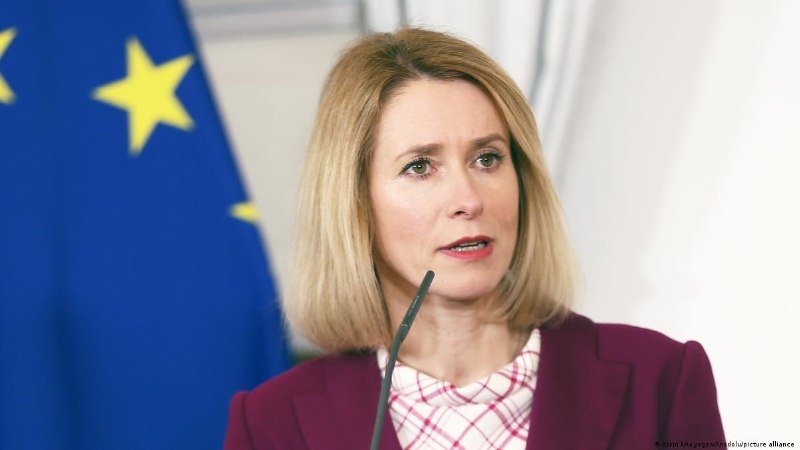
On 10 July 2026, the United States told reporters that diplomatic efforts are "underway behind the scenes" with Iran to reduce tensions after a renewed exchange of fire in the Gulf. The framing came via Beirut-based outlet The Cradle, which carried the claim in its 08:39 UTC wire and is one of the few outlets reporting Washington's readout in real time. The cadence of the announcement — calm wording, no counterpart named, no venue identified — is itself the story.
The claim should be taken seriously, but not at face value. Statements of this shape, issued in the hours after a kinetic incident, are a familiar instrument in the US-Iran repertoire. They allow each side to dampen escalation without conceding that the other has leverage, and they let financial markets, Gulf monarchies, and Israel read the temperature without anyone having to put a number on it. The question is not whether some channel exists. Channels of one kind or another have existed, on and off, for two decades. The question is whether the channel currently being invoked is doing the work of negotiation, or only the work of de-escalation theatre.
What the wire says, and what it does not
The Cradle's 08:39 UTC bulletin reports the US characterisation without naming an American official, a counterpart, a host government, or a venue. There is no reference to a mediator, no indication of which Gulf state may be carrying messages, and no confirmation from Iranian state media that any such conversation is taking place. The Iranian side, by long practice, treats the existence of back-channels as something to be denied or confirmed only when it is politically useful. The absence of an Iranian read-through is, in that sense, the most informative part of the bulletin.
It is also worth noting what outlet is carrying the story. The Cradle is widely read in the region and has established contacts on both sides of the Axis of Resistance. It is not, however, the place an administration seeking maximum signalling leverage would choose to release a sensitive diplomatic readout. That the line is being run through this outlet, rather than Reuters or the State Department briefing room, is a soft tell about how much the US wants the claim to be noticed, and how little it wants the claim to be interrogated.
The counter-narrative Tehran is already telling
The structural counter-read is straightforward. Iran has spent the last three years developing a deterrence posture built on the premise that the United States will not accept the costs of a sustained war in the Gulf, and that the most efficient way to convert that posture into regional influence is to keep the level of friction just below the threshold of full mobilisation. Talks, in that logic, are not the alternative to pressure. They are one of the instruments of pressure — a way to cap escalation, relieve sanctions pressure on discrete sectors, and test the resolve of a US administration that is itself managing election-year constraints.
The Iranian MFA's instinct, when the US floats a back-channel, is to let the proposal sit. Agree too fast and Washington reads it as weakness; refuse outright and the Gulf states read it as recklessness; acknowledge the channel and Tehran loses the ambiguity it has spent years building. The most plausible Iranian posture in the days ahead is exactly the one we should expect: no denial, no confirmation, and a steady stream of official-language insistence that any deal must respect Iran's right to enrich and that the file of regional armed groups is non-negotiable.
A familiar pattern dressed in new language
Viewed against the last decade, the current episode is unremarkable in structure even if the underlying fire is real. The 2023-2025 cycle of incidents, de-escalations, and prisoner arrangements showed that the US and Iran can manage the temperature of the relationship for months at a time while remaining formally at odds. The Strait of Hormuz remains the chokepoint that disciplines both sides; the price of oil remains the variable that disciplines the rest of the world. The "back-channel" claim fits neatly into that pattern — it is a way for the United States to communicate restraint to markets, to Gulf partners, and to its own domestic audience without paying the political cost of a formal negotiation.
The structural read is that we are watching a managed rivalry, not a crisis diplomacy. The two states have a shared interest in the appearance of movement even when the underlying positions are unchanged. The US wants oil stable, Iran wants sanctions loosened, both want to keep the file off the front pages of their respective domestic cycles. The back-channel claim is the lowest-cost instrument that serves all three interests at once.
The stakes, and what remains uncertain
If the trajectory continues, the immediate winners are oil markets, the Gulf monarchies, and any actor in the region whose planning horizon is shorter than a quarter. The immediate losers are the Iranian domestic audience, which has been promised relief for years and has not received it, and the US domestic audience, which is being asked to trust a process whose shape is being deliberately obscured. Over a longer horizon, the loser is the credibility of the diplomatic instrument itself: each round of "talks are underway" that produces no document makes the next round less effective at stabilising the situation it is meant to manage.
What the public sources do not yet settle is whether the current channel is producing anything beyond the announcement. The Cradle's 08:39 UTC bulletin is the only confirmed item on the record; there is no Iranian read-through, no Gulf state confirmation, and no second Western wire independent of the US characterisation. The pattern on both sides suggests we should expect silence from Tehran, soft confirmation from intermediaries, and a second American readout within the week — all consistent with a managed rivalry being performed as a crisis. Monexus will update if a counterpart emerges, a venue is named, or Iranian state media breaks its current silence.
Desk note: Monexus ran this piece against the 10 July 2026 08:39 UTC Cradle wire and treated the US characterisation as a US characterisation. The Iranian read-through is inferred from the documented behaviour pattern of the last decade, not from a confirmation that does not yet exist.
Wire provenance
This editorial synthesis draws on the following public wire/social posts:
- https://t.me/thecradlemedia
- https://t.me/TheCradleMedia