Apple's hardware hike lands inside a broader squeeze: chip memory, sticky inflation, and a Wall Street still calling a bull market
Apple raised prices on most Macs and iPads this week while seeking a license to buy RAM from a blacklisted Chinese supplier, and the move reads less like a company-level decision than a visible print of a broader squeeze in memory, services inflation, and an equity market still betting on soft landi
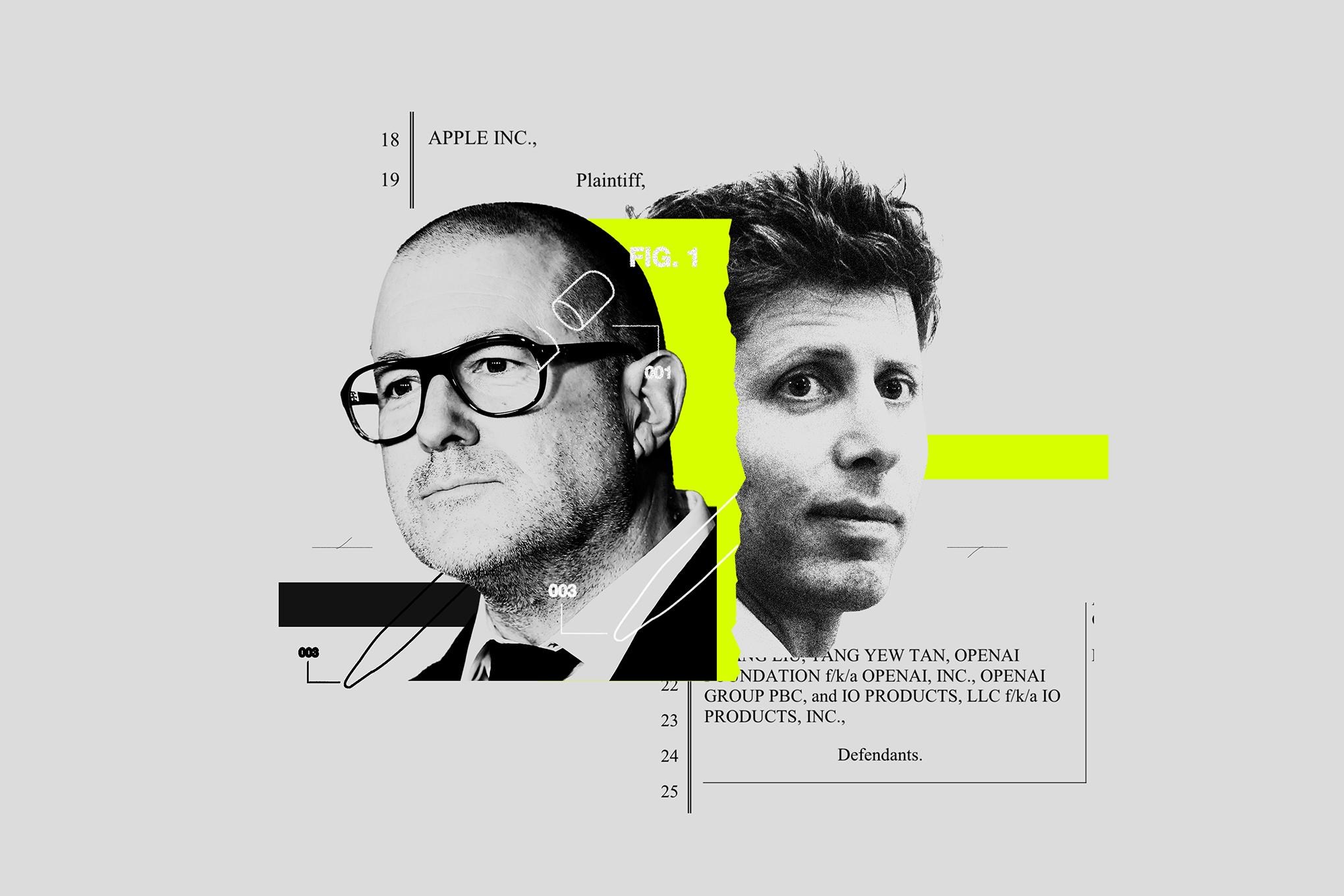
Apple has put another round of price increases on the Mac and iPad lineup, and the timing lands inside a much larger cost story that consumers, suppliers, and equity desks are all trying to read at once. Across the board, the company's headline SKUs moved upward: the 11-inch iPad Air climbed from $599 to $749, the iPad Pro from $999 to $1,199, the MacBook Neo from $599 to $699, the MacBook Air from $1,099 to $1,299, the MacBook Pro from $1,699 to $1,999, the iMac from $1,299 to $1,499, and the Mac mini (M4 Pro) entry by a similar margin. Apple has framed the move as the unavoidable cost of staying in the artificial-intelligence race, with Tim Cook calling the prior pricing "unsustainable" and the new pricing "unavoidable." The size of the hike makes the company a useful anchor for a broader squeeze: memory chips that are harder to source, sticky services inflation that has refused to fall on the timeline Wall Street expected, and an equity market that is still pricing in soft landing rather than stagflation.
The supply pressure behind the silicon
The first leg of the story sits in the component market. Apple is seeking an exception from the Trump administration to buy RAM chips from CXMT, a Chinese memory maker blacklisted by the Pentagon over ties to the People's Liberation Army. Memory pricing has tightened across the industry as AI demand absorbs capacity that historically fed consumer devices, and the Cupertino roadmap is running into that bottleneck at exactly the moment it is pushing Apple Intelligence deeper into the OS. The CXMT request is the tell: a company with Apple's bargaining power does not ask Washington for a license to buy from a blacklisted supplier unless the alternative is worse. Other consumer electronics vendors are working the same problem through a different door, which is part of why Prime Day discounts on Apple kit, visible in the final hours of the sale, were thinner than on competing gadgets. Apple does not need to compete on price the way a mid-tier Android brand does, and right now it cannot afford to.
The inflation that did not break
The second leg is the consumer backdrop. Core services inflation has stayed above the level the Federal Reserve spent 2024 telling markets to expect, and goods inflation is no longer the offsetting force it was last year. A $150 jump on a base iPad Air is large in absolute terms and unusually large relative to the device's category. Crucially, the hike arrives just as Prime Day itself is effectively becoming Prime Week, with the final-day discounts still heavily skewed toward non-Apple accessories, smart home gear, and Amazon's own-branded devices. The Verge's final round-up noted that Apple Watch Series 11 remained at its best price, not at a clearance price, which is exactly the pattern a vendor with supply-driven cost pressure produces: defend margin, hold volume, and let the promotional channel thin out.
The bull market that does not blink
The third leg is the equity tape, and it is the most uncomfortable piece for the consensus narrative. The same week Apple raised prices, the major US indices were still trading within striking distance of their highs, and the options market was pricing an even-money bet on a soft landing rather than a recession. That is not irrational: corporate earnings have held up, and the AI capex cycle has been generous enough to drag the entire semiconductor complex with it. But it is also a market that has decided to look through the same input-cost pressure that is now showing up on Apple's price list. The contradiction is not new. The argument is that AI productivity gains will eventually deflate the components and energy that AI is currently inflating. That is a bet, not a print. Until the print arrives, the squeeze shows up in consumer hardware, in entry-level device pricing, and in the parts of the market that the AI narrative does not directly subsidize.
What the room is actually watching
Two signals will determine whether this reads as a one-off Apple margin decision or as the leading edge of a broader re-pricing. The first is whether the CXMT exception is granted, and on what terms. A license would tell the market that Washington's industrial-policy line on Chinese memory is negotiable in practice, and would likely cool DRAM spot pricing. A denial would push Apple, and anyone in its wake, toward South Korean and domestic capacity at a higher cost base, with the bill passed on. The second is the next round of services inflation data, which will determine whether the Federal Reserve has the room to cut at all in the second half. A higher-than-expected print would force a re-rating of the AI capex trade, because the discount rate that supports current multiples would be wrong by a turn. A softer print would let the bull thesis run, and Apple would be a footnote rather than a marker.
The squeeze as a single story
Read together, the memory request, the price list, and the equity tape describe a single economy. There is real demand pulling hard on the components that go into both AI training and consumer silicon. There is real cost pressure that vendors with the most pricing power are starting to pass through, and vendors without it are absorbing. There is a financial market that has chosen to look through the squeeze, partly because the alternative narrative is too ugly to trade. Apple is not the cause of any of this. It is simply the first household-name balance sheet big enough to make the pass-through visible to a customer who only learned about DRAM allocation because their next laptop costs $200 more. That is the kind of signal worth tracking carefully, because the next one to move will not be a company with the brand cushion to absorb the headline.
Sources
- The Verge, "Why is Apple asking me to pay more for Big Tech's AI obsession?" (2026-06-27): https://www.theverge.com/
- The Verge, "Apple wants permission to buy memory from a blacklisted Chinese supplier" (2026-06-27): https://www.theverge.com/
- The Verge, "Prime Day's final hours bring rare discounts on Philips Hue smart lights" (2026-06-27): https://www.theverge.com/
- The Verge, "Prime Day is almost over, but these are still the best Apple deals I've seen" (2026-06-26): https://www.theverge.com/
- The Verge, "24 Prime Day deals Verge readers are grabbing before Prime Day ends" (2026-06-27): https://www.theverge.com/
- The Verge, "Our favorite Prime Day gadgets under $100 you don't need but will really want" (2026-06-26): https://www.theverge.com/
- @stats_feed, Apple price-increase thread (2026-06-27): https://x.com/stats_feed
- @aipost, OpenAI GPT-5.6 Sol preview thread (2026-06-27): https://t.me/aipost
Desk note: this desk treated the Apple move as the lead because it is the most concrete, most directly traceable input-cost pass-through in the day's wire, and because it lets the chip allocation, sticky services inflation, and the still-bullish equity tape hang on a single peg rather than running as four parallel stories.