The Iran deal that wasn't a Lebanon deal: what Pezeshkian, the Strait, and Tel Aviv are telling us on 15 June 2026
The Pakistan-brokered US-Iran MOU signed on 17 June 2026 reads as three separate transactions in one document: a Strait of Hormuz reopening, a frozen-funds release with a 60-day clock, and a Lebanon clause that Iran and Israel are already interpreting in opposite directions.
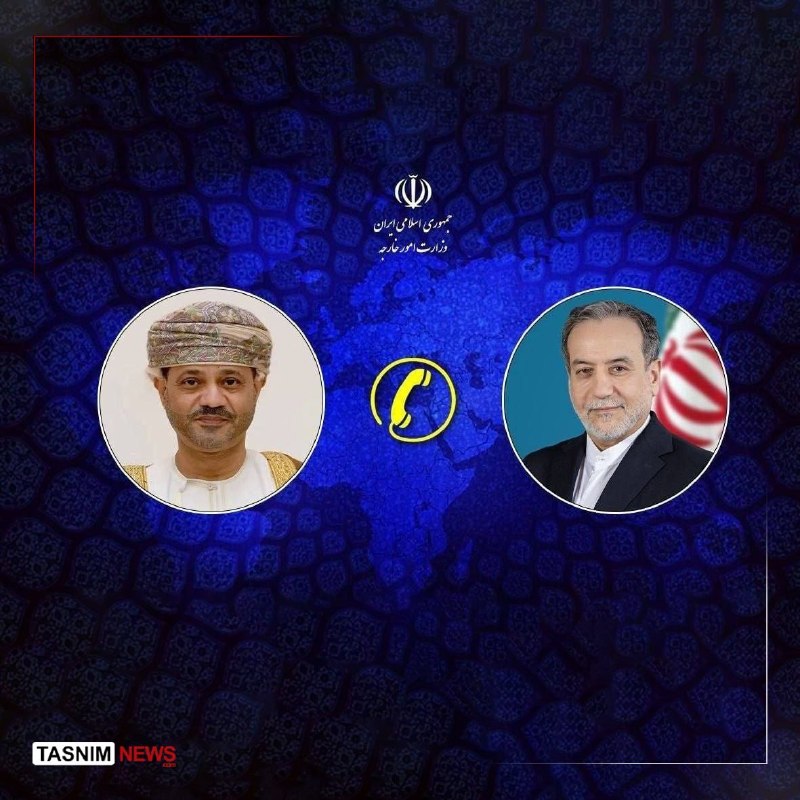
At 23:39 UTC on 17 June 2026, Pakistani Prime Minister Shehbaz Sharif stood before cameras in Islamabad to announce what he called the historic "Islamabad Memorandum of Understanding" between Iran and the United States, an accord he said had just been electronically signed by Presidents Masoud Pezeshkian and Donald Trump. Within minutes, the substance of the deal began to unravel into three separate diplomatic conversations that, taken together, suggest this was never a single transaction but a stack of them, each with its own clock and its own veto player.
The headline agreement, as confirmed by Iran's Foreign Ministry spokesperson Esmail Baghaei and reported across Western and Iranian outlets, is straightforward on paper: the Strait of Hormuz begins full reopening, the United States commits to removing obstacles to Iran's access to frozen funds, and a 60-day implementation period starts the day of signing. Deutsche Welle's live coverage framed it bluntly as Trump signing "an initial agreement to end the war with Iran and reopen the Strait of Hormuz." A Reuters explainer circulated at 23:10 UTC asked the obvious follow-up question: what challenges could stand in the way of a final deal?
The answer is already visible, because the Iran deal was never really a Lebanon deal, and the Tehran frontbench is treating it as one.
The Strait is the easy part
Trump told reporters on the day of signing that the world had roughly four weeks of oil reserves left without the Iran deal, a comment carried by Iranian state outlet Press TV at 22:50 UTC. That number, if taken at face value, explains the urgency behind reopening the Strait of Hormuz: shipping traffic through the chokepoint had been disrupted long enough that strategic reserves were being drawn down at a rate Washington could not sustain. The MOU's language, as paraphrased by Baghaei on Telegram, is mechanical. U.S. committed to removing all obstacles preventing Iran from accessing frozen funds. The 60 day implementation period begins today.
Mechanicals fail when politics does. Republican members of Congress told NewsNation's Kellie Meyer, per OSINTdefender's reporting at 23:38 UTC, that Vice President JD Vance is to blame for a deal many in the GOP have characterised as a bad deal. Senator Bill Cassidy went further on the record: Reagan, he said, is rolling over in his grave, calling it the worst foreign policy blunder in decades. A 2015 Marco Rubio floor speech, dusted off and recirculated on Telegram at 22:38 UTC, warned that Iran would immediately use any released funds to pursue the very behaviour the deal was meant to curb. The domestic U.S. base for the agreement is therefore narrow, and the 60-day clock starts with the opposition already briefed.
What Pezeshkian is selling at home
In Tehran, the framing is not about oil chokepoints or frozen accounts. It is about national dignity. Baghaei's public messaging across the evening, repeated on Mehr News, Tasnim, Al-Alam, and JahanTasnim channels between 22:15 and 22:43 UTC, ran a single refrain: Iranian people should support the defenders of the homeland in the field of diplomacy. Baghaei went further, equating diplomatic service with military service. Diplomacy needs national support and cohesion as much as the military field, he said. Diplomats are at the forefront of defending national interests. Diplomacy is the continuation of the defense of the homeland in other trenches.
That is not boilerplate. It is the rhetorical scaffolding of a government preparing its public for a deal that delivers real economic relief while ceding the maximalist position on regional deterrence. Pezeshkian's office, for its part, used the same news cycle to highlight Pezeshkian hailing Iran students' success at the World University Combat Sports championship in Brazil, a deliberately civilian counter-image to the war footing the preceding months had imposed. The unspoken pitch: the diplomats won what the missiles could not, and the country should treat that as victory enough to consolidate.
The Lebanon clause nobody is reading on the same page
The sharpest diplomatic landmine sits in a sentence the Western wires largely buried. Baghaei, in statements carried by Sprinterpress at 22:17 UTC and by Open Source Intel at 22:38 UTC, warned that any continuation of Israeli attacks on Lebanon would constitute a violation of the other side's obligations under the memo. Iran, in other words, is reading the deal as covering Lebanon. The Iranian framing is explicit: if Israel's aggressions against Lebanon continue, it will be considered a violation of U.S. commitments.
Israel's position, as articulated by the channel reporting from the Israeli side, is that the IDF will not withdraw from southern Lebanon and will hold territory up to the Litani River indefinitely. That is the only tangible gain they have, and Netanyahu is not letting go of it. The Israeli framing of the same MOU is, by silence and posture, the opposite: nothing in the deal obliges Tel Aviv to halt operations against Hezbollah, and the channel reporting on Israeli threats to Israel over Hezbollah carried the line: ignore them. Israel will do whatever it takes to defend itself. Hezbollah will keep firing rockets and drones, like it did today. And Israel will keep doing whatever it has to do.
That is a contradiction baked into the agreement from hour one, and it was obvious to anyone who read the Iranian readout carefully.
The Strait, the rial, and the 60 days that matter
The next sixty days will be measured in three clocks running in parallel. The first is the oil clock: how quickly the Strait of Hormuz returns to full throughput and whether Iran's access to frozen funds actually translates into hard currency flowing into the central bank's reserves. The second is the Lebanese clock: whether Iran treats any Israeli operation south of the Litani as a trigger, and whether Washington accepts that trigger definition. The third is the American political clock: whether a Republican conference that has already publicly blamed its own Vice President can withhold the implementing legislation or the war powers authority the deal will eventually require.
A Reuters explainer asking what stands in the way of a final deal is the right question to leave open on day one. The MOU is signed, but its implementation requires all three clocks to read roughly the same time, and right now two of them are pointed in opposite directions. Pezeshkian can sell the diplomacy-as-war framing to a tired Iranian public, Trump can tell voters the world had four weeks of oil left, and Pakistan can claim credit as the convener of a historic memorandum. None of that resolves the question of what happens the first time an Israeli sortie over southern Lebanon tests Baghaei's red line.
That is the test the deal was not built to pass.
What to watch by mid-August
By the time the 60-day implementation window closes in mid-August 2026, three things will have happened or failed to. The Strait of Hormuz will either be moving normal oil tonnage or it will not, and the price print in Brent and Dubai will tell the story before any government does. Iran will either have moved a meaningful tranche of frozen funds through whatever mechanism the U.S. side has cleared, or the paperwork will be stuck in Treasury and State. And either an Israeli-Hezbollah exchange will have forced a public confrontation between the Iranian and American readings of the deal, or the Lebanese front will have stayed quiet enough for both sides to claim the MOU held.
The Pakistan-brokered ceremony in Islamabad gave the world a photograph of two presidents signing the same document. It did not give the world an answer to the question of what they thought they had signed.