The Night Shift: What Russia's Persistent Strikes on Mykolaiv Reveal About Ukraine's Air Defense Reality
Three air-raid alerts in forty minutes on 16 May 2026 are the cleanest open-source read on a hidden problem: Ukraine's southern air defense works, but the interceptors pay a price for every night Mykolaiv stays live.
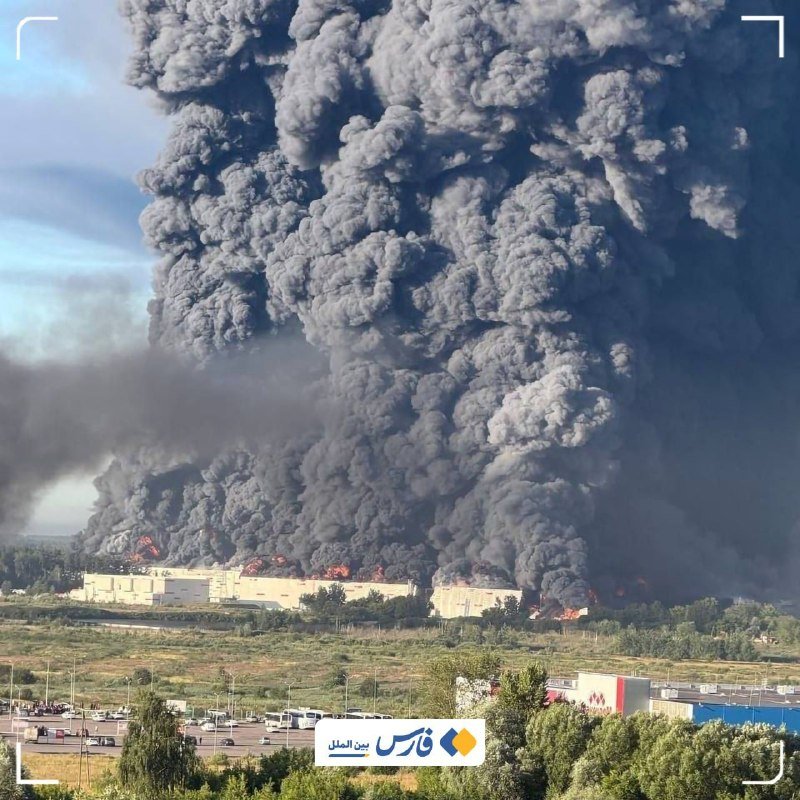
At 23:47 on 16 May 2026, the Mykolaiv Oblast Military Administration pushed a red-banner alert to its Telegram channel: an air raid across the oblast, with residents urged into shelter. [1] Five minutes later, a follow-up post warned of an immediate strike threat to the city of Mykolaiv itself, noting a wave of Shahed-type attack UAVs inbound from southern vectors. [2] By 00:24 on 17 May the administration had logged a third successive air-raid notice and reported fragments of intercepted drones falling inside the city, with no initial casualty count. [3]
That sequence of three alerts inside roughly forty minutes is not a one-off. It is the rhythm Mykolaiv has lived under for months: a routine of red banners, drone-tracks, fragments, and a city that keeps running. The visible tempo offers a sharper read on the state of Ukraine's air defense than any procurement announcement, because strikes are only what gets through.
What the alerts actually show
The Mykolaivska ODA channel posts the alerts on a one-channel delay, in real time, with minimal comment. The 16 May sequence is a clean example: threat inbound, threat to the city, fragments down. The channel does not specify intercept counts, launcher numbers, or air-defense variants on duty. That reticence is editorial, not incidental. Operational detail is withheld precisely because it is useful to the adversary. What the alerts do, almost by accident, is publish the cadence: how many nights a week Mykolaiv goes red, how many alerts per night, and how often fragments end up on pavement.
That dataset, accumulated across months, points to a few things at once. The Shahed threat is persistent rather than punctuated: strikes on the oblast and adjacent Kherson and Odesa regions run most nights, with multi-wave launches the norm rather than the exception. Mobile fire groups and short-range air defense are taking the brunt. Interceptions are happening. They are not keeping everything out.
The strike package and the saturation problem
Russia's preferred long-range tool in the south remains the Geran/Shahed-family long-endurance UAV, often launched in salvos of 20 to 40 airframes from Crimea and the Black Sea, with ballistic and cruise missile volleys accompanying the drones on heavier nights. The Mykolaivska ODA's late-evening alerts match the operating picture: low observable approach, radar returns that compete with civil traffic, fragmentary payloads designed to overwhelm rather than destroy.
The pattern is a saturation problem dressed up as a signature strike. A city the size of Mykolaiv needs 24/7 coverage across multiple vectors; interceptor teams need rest, ammunition, and clear weather. On a clear night with light wind, the calculus is manageable. On a dirty night, with EW jamming layered on top of missile volleys out of Crimea, mobile groups burn missiles faster than resupply arrives.
What it reveals about air defense reality
The Mykolaiv pattern is consistent with reporting from the broader southern front: Ukraine is intercepting a high percentage of what it shoots at, but the percentage that gets through still does damage. Public messaging from Kyiv and operational talk on Ukrainian milblogger channels both confirm a layered shortfall: Western-supplied systems have replaced most of the Soviet-era SHORAD/MED-SHORAD stock, but interceptor missiles for Gepards, IRIS-T and NASAMS batteries, and reloads for Stingerman-style equivalents remain the binding constraint.
Three things follow from the alert record. First, persistent nightly coverage in places like Mykolaiv is being delivered at the cost of stockpiles. Second, the air-defense fight has migrated from Soviet-era heavy SAMs toward a much larger surface of mobile, short-range, and interceptor-drone solutions. Third, the attacks that succeed are not the wave-breakers. They are the single airframe that gets through during a layered engagement, which is why fragments in a city are routine rather than ruinous.
Why Mykolaiv keeps getting hit
Geography explains persistence. Mykolaiv sits on the southern Bug estuary, minutes by air from occupied Kherson and roughly an hour from Crimea-based launch sites. The regional rail and road network handles grain exports out of the Black Sea corridor and serves as a logistics artery for operations further south. Striking the oblast is cheap; striking the city itself costs the same drones as striking the rail junction at Yuzhnoukrainsk.
The political signal is also part of the read. A southern oblast capital that absorbs nightly alerts and still runs trams on the morning shift is a counter-narrative the Kremlin cannot easily dislodge. The strikes on Mykolaiv keep appearing in Russian milblogger framing as pressure on Ukraine's southern logistics, which suggests the targets are not abstract. Whether the nightly tempo is degrading those logistics, or merely taxing the air-defense system that defends them, is the open question. The alerts do not answer it. They do make the cost visible.
What to watch over the next month
The actionable indicators fall in two places. On the Ukrainian side, watch how often the Mykolaivska ODA channel logs fragments in the city itself rather than in the wider oblast, and how many alerts per night the oblast runs. A sustained move from one alert per night to two or three, with fragments inside city limits on more than half of them, would indicate interceptor fatigue. On the Russian side, watch whether Shahed salvos out of Crimea get larger at the same time that cruise-missile volleys thin out, which would suggest a substitution toward cheaper airframes as cruise stocks are spent.
Mykolaiv is the cleanest open-source read on a hidden problem. Three alerts in forty minutes is not a story of failure. It is a story of a defense that works, at a cost, against a campaign designed to test exactly that cost. Whether the interceptors can keep answering the alerts at this tempo, into summer, is the metric that will actually decide the south.
Sources
- [1] Mykolaiv Oblast Military Administration Telegram channel, post 7892 (16 May 2026). https://t.me/mykolaivskaODA/7892
- [2] Mykolaiv Oblast Military Administration Telegram channel, post 7894 (16/17 May 2026). https://t.me/mykolaivskaODA/7894
- [3] Mykolaiv Oblast Military Administration Telegram channel, post 7891 (17 May 2026). https://t.me/mykolaivskaODA/7891
Desk note: Monexus leans on the ODA's own alert channel rather than wire rewrites to read air-defense tempo. Alert cadence and fragment reports are treated as the primary evidentiary surface; specific intercept counts and weapon variants are not asserted because the ODA deliberately withholds them.