China Signals Tariff Relief After Geneva Summit, But Optics Dominated the Narrative
Beijing and Washington walked out of Geneva with a tariff gesture and a photo opportunity, and the gap between the two is the only honest read of what actually happened.
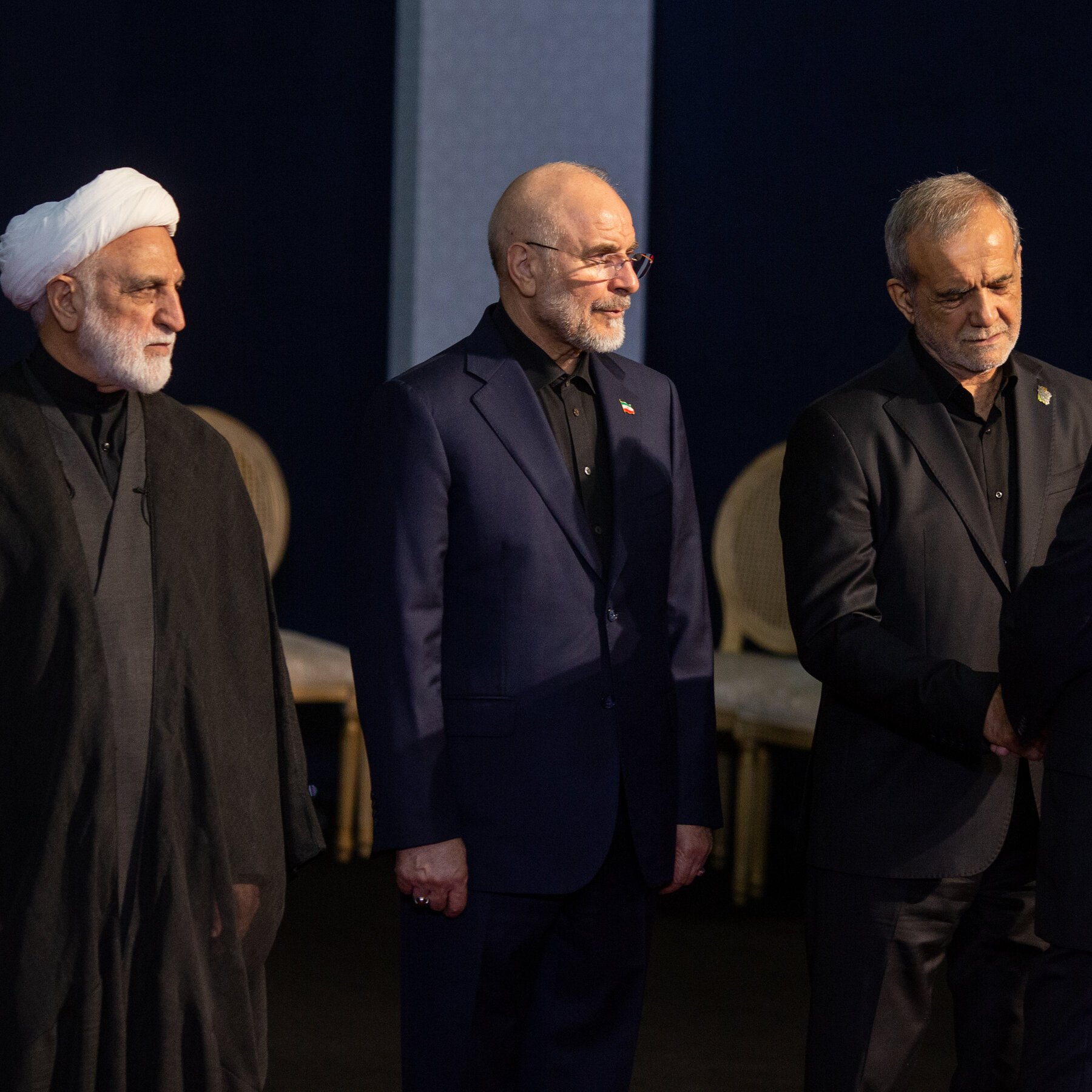
Beijing has dangled tariff relief in front of Washington for the second time in six weeks, dangling being the operative verb. Following the Geneva summit on 14 May, Chinese state-aligned channels and a small fleet of pro-engagement Western commentators have framed the meeting as a turning point in the bilateral trade war. The actual record, as far as the wire evidence goes, is thinner than the headlines suggest: tariff gestures, farm-access talk, and a heavy dose of staged cordiality between officials who cannot yet agree on what was actually agreed.
What the summit produced was less a deal than a choreography. The Reuters report on the meeting emphasised the substantive content: tariff reduction language on the Chinese side, renewed access for American agricultural exports, and the bureaucratic packaging both sides needed to claim progress without committing to it. The alternative feed, carried by Telegram channels and amplified through accounts like @visionergeo, ran in the opposite direction. That frame foregrounded the ceremonial furniture of the meeting: the camera angles, the seating, the choice of venue. There was real engagement with that material, but it told us about performance, not policy.
The substance under the staging
Reuters' reporting made the underlying mechanics clear. The Chinese side signalled willingness to revisit a portion of the retaliatory tariffs imposed during the spring escalation, and floated expanded access for US agricultural goods, a category that has served as the principal concession currency in this dispute for nearly a decade. That is not nothing. Beijing understands that American soybean, pork, and grain producers carry unusual political weight in Washington, and any movement on agricultural access translates quickly into White House talking points.
But signalling is not signing. Both governments left Geneva with the same problem they walked in with: a tariff schedule that neither side can afford to dismantle unilaterally, and a domestic political environment in which any visible concession becomes an opposition talking point within hours. The Reuters account emphasised what was placed on the table. The Telegram feed emphasised that the table itself was selected for its visual yield.
Two cameras, one summit
The split between the two source streams is itself the story. Western wire coverage treated the meeting through its institutional framing: who said what, which ministry released which statement, what numbers were attached to which commitments. The Telegram channel abualiexpress, by contrast, ran a visual register: the optics of the encounter, the body language, the questions the official cameras did not answer.
Neither frame is wrong. They are calibrated for different audiences and they foreground different evidentiary layers. But the divergence matters because the diplomatic outcome is a function of both. Substance without performance cannot survive the news cycle. Performance without substance cannot survive the next data print. Geneva produced enough of the first to satisfy Reuters, and enough of the second to fill the Telegram feed, and not enough of either to call this a deal.
What Chinese state media is doing with the frame
Beijing's English-language outlets, and the network of commentators who pick up their framing, have leaned into the optics story from a different angle. Where the Telegram channel treated the staging as evidence of hollowness, Chinese-aligned framing treated the staging as evidence of restored parity. The Geneva meeting, in that telling, demonstrated that the two sides could meet as equals, that the tariff gun had been lowered, and that a return to pre-escalation commercial normalcy was within reach.
Both readings of the optics are themselves part of the optics. Western analysts who dismiss the meeting as theatre are performing scepticism. Chinese analysts who treat the meeting as a reset are performing triumphalism. The Reuters account, which tried to do both at once, is the rare piece of coverage that admits the gap between the cameras and the communiqué.
The structural read
The deeper question is what tariff relief between these two economies actually means in 2026. The architecture of US-China trade no longer sits in a bilateral frame. Supply chains have rerouted through Vietnam, Mexico, and increasingly India. Critical-minerals export controls sit on one side, semiconductor-equipment controls on the other. Agricultural concessions, the most pliant currency in the Geneva talks, do not touch any of that.
A farm-access deal is a stabilisation measure. It buys time. It reduces the headline temperature and gives both governments political cover to defer harder conversations about decoupling, export controls, and the technology perimeter around advanced semiconductors. The Reuters reporting made the stabilisation function legible. The Telegram reporting made the deferral legible. Neither made it sound like resolution, because neither believed it was.
What to watch next
The next test is whether the tariff language moves from signalling to schedule. Chinese ministries have a habit of placing items on a public timetable and then walking the timetable back when domestic constituencies object. American agriculture secretaries have the mirror habit of announcing access in tones that turn out to be conditional on unnamed reciprocal moves.
If the next sixty days produce a published tariff schedule, a verified shipment of US soybeans clearing Chinese customs under revised terms, or a joint statement with named compliance milestones, then Geneva will retroactively become what its optimists are calling it today. If none of that materialises, the visual register will have been correct: a meeting designed to be photographed, with the substance left to the next round of escalation.
For now, the only honest position is that both source streams reported accurately on the part of the summit they were looking at, and that the gap between them is the summit's actual legacy. Wire services owe readers the institutional mechanics. Independent channels owe readers the camera. The reader's job is to hold both, and to notice when one side starts pretending the other frame does not exist.
Sources
- Reuters: tariff and farm-access reporting on the Geneva summit, 14 May 2026. http://reut.rs/4fqO6MX
- @visionergeo: visual framing of the summit, Telegram/X cross-post, 14 May 2026. https://twitter.com/visionergeo/status/2055713630037876857/photo/1
- abualiexpress: Telegram coverage of the Geneva meeting and its ceremonial furniture, 14 May 2026. https://t.me/abualiexpress
Desk note: Monexus treated the Reuters institutional reporting as the substantive spine of the story, while elevating the Telegram visual register as the necessary counter-frame on optics. Both feeds are accurate within their domain; the gap between them is the actual diplomatic signal.