Two wars, one White House: Trump meets Netanyahu and Zelenskyy in the same week
As Brent touches a one-week low on hopes of a US-Iran deal, the president is hosting Netanyahu and Zelenskyy inside a single diplomatic week, with two wars now converging on one desk.
Brent crude touched a one-week low on Tuesday, 28 July 2026, with the Reuters market desk attributing the move to a pause in attacks that revived hopes of a US-Iran deal. The price action is a useful starting point: it tells you the market is beginning to price in an off-ramp from a war that, a week ago, looked like it would widen.
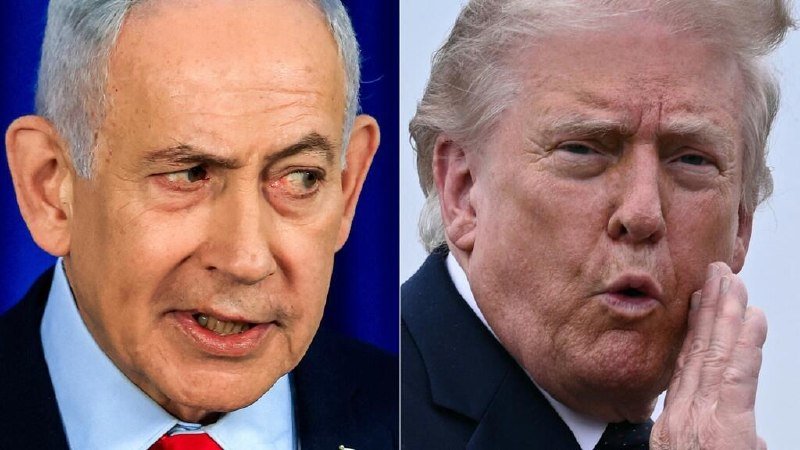
The politics inside the White House this week tell a different story. Donald Trump is preparing to host Benjamin Netanyahu and Volodymyr Zelenskyy inside a single diplomatic window, with two crises converging on his desk. NPR's 28 July dispatch frames the Netanyahu meeting as the first face-to-face between the two leaders since the Iran war began, with Netanyahu described in NPR's own summary as up for reelection and embattled in part over a deteriorating relationship with Trump, and Trump under pressure to end an unpopular war. Al Jazeera's newsdesk adds the second half of the picture: Zelenskyy en route to Washington as the Iran and Ukraine files are now being negotiated in the same room, with the same principal.
The hard question this week is whether Trump is positioning himself as the deal-maker who closes both wars in one news cycle, or whether he is managing two separate crises that have only the calendar in common.
The Netanyahu file: what the wire is actually saying
The Al Jazeera headline of 28 July, "Israeli ex-generals urge Trump to push Netanyahu on 'settler terror'," is the most concrete data point on the Israeli leg of this week. The available source items do not specify which former officers are involved, the venue of their statement, or the specific incidents they are referencing; the headline is the entirety of what the cited posts establish. Treat it as a signal of friction between the retired security cadre and the sitting political leadership, not as a fully sourced political claim about settler violence itself.
What NPR's 28 July summary does establish is the framing of pressure on both principals: Netanyahu up for reelection and described as embattled over his relationship with Trump, and Trump under pressure to end an unpopular war. These are the summary-level descriptions offered by NPR's headline and lede. This publication's read, stated as analysis, is that two leaders who need wins from the same room is the configuration that makes this week consequential. NPR's framing supports that the pressures exist; the inference that the pressures converge into a single negotiation is ours.
The Iran file: what the price tape is doing
The Reuters oil piece, timed to the early hours of 28 July, is doing more than reporting a price. A one-week low on hopes of a deal is the market reading: a pause in kinetic activity plus active diplomacy equals supply risk discount. That is a tradable position, and it is the bet the curve is now making.
The harder read is on the Iranian side. The IR Iran Military channel posted on the morning of 28 July that Iran "has been preparing for this war for years" and that Tehran "knew about our enemy's stupidity," a frame that positions the Islamic Republic as the patient strategic actor and its adversaries as the impatient ones. It is a state-aligned message dressed in a veteran's voice, and it should be read as such: a signal to domestic audiences that the pause is tactical, not terminal. The deal, if it comes, will be sold in Tehran as confirmation that preparation worked.
Ukraine, folded into the same week
The Al Jazeera dispatch on Zelenskyy's travel plans is the structurally important piece of the morning. Two wars that the American national-security machine has historically run on separate tracks are now converging on a single principal. That means trade-offs that did not exist a month ago: air-defence interceptors that can go to either theatre; political capital spent on one deal that is not available for the other; messaging discipline that has to hold across two constituencies with little in common.
This publication's assessment is that the symmetry of the calendar is the story. Netanyahu meets Trump as the Iran file cools. Zelenskyy meets Trump as the Iran file cools. The cooling is what makes both meetings possible in the same week; the meetings are what give the cooling its political content. Whether the cooling holds past the news cycle is the open question, and the price tape says the market currently believes it might.
Stakes, and what to watch
If the Reuters read holds and a US-Iran framework produces a real de-escalation, the knock-on effects are substantial: Gulf states recalibrate their posture, Israeli politics get a window to stabilise, and the oil complex continues to de-risk. If the deal collapses, the IR Iran Military framing suggests Tehran has priced in that outcome and is prepared to wait the United States out, which means the kinetic file reopens and any friction between retired Israeli officers and the political leadership becomes harder, not easier, to contain.
The thing to watch on 28 July is not the price of Brent. It is who walks out of the Oval Office first, and what each meeting leaves on the table. Two wars, one principal, one news cycle. The market is already pricing the off-ramp. The politics is a separate instrument, and it has not yet cleared.
Desk note: Monexus framed the Netanyahu leg through NPR's 28 July summary of pressures on both leaders, sourced the oil-market reaction to Reuters' 28 July wire, treated the IR Iran Military channel as a state-aligned primary source with appropriate caveat, and read the ex-generals story as a headline-level signal of friction rather than as a fully sourced political claim. The structural argument, two wars converging on a single principal, is this publication's framing, not a wire's.
Wire provenance
This editorial synthesis draws on the following public wire/social posts:
- http://reut.rs/44RGbC4
- https://www.npr.org/2026/07/28/g-s1-135833/trump-netanyahu-iran-war
- https://t.me/aljazeeraglobal/138655
- https://t.me/aljazeeraglobal/138654
- https://t.me/IRIran_Military/9361