The strike is real. The framing is also doing work.
US Central Command did publish a release on 23 July 2026 confirming strikes on Iran. The Telegram cascade carried that fact. It also wrapped it in vocabulary the wire desks will not repeat, and that gap is the story.
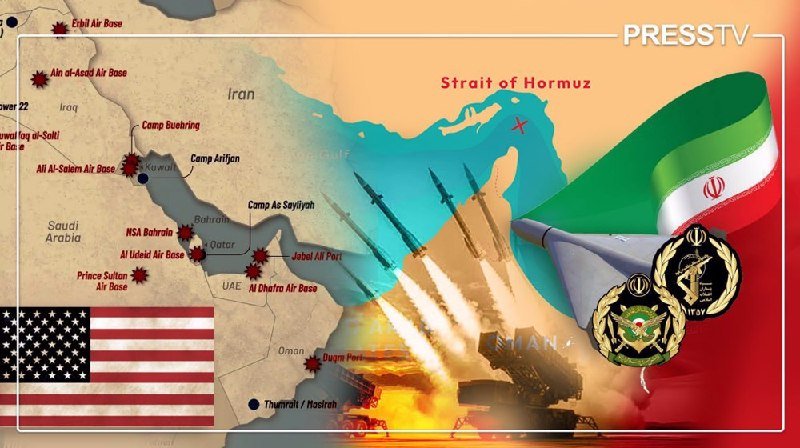
At 23:17 UTC on 23 July 2026, Fars News International posted a four-line Telegram bulletin claiming that US Central Command had announced a new round of night strikes on Iranian soil, timed to 6:45 pm EST. By 23:26 UTC, four more channels under the Tasnim and Fars umbrellas had carried near-identical wording, attributing the announcement of a 13th strike round to the same CENTCOM statement. Nine minutes, five handles, one English-language vocabulary drawn from a single Iranian state-media ecosystem.
A first-party CENTCOM release titled "CENTCOM Completes Latest Strikes Against Iran," dated 23 July 2026, independently confirms that US Central Command did publish a statement on the strikes that day. The Telegram cascade carried that underlying fact. What the cascade added, and what the wire desks will not repeat, is the vocabulary wrapped around it. That gap is where the information war is actually being fought.
The shape of the cascade
Read the five threads in order. Fars posts at 23:17 UTC. Tasnim Plus follows at 23:21 UTC, adding the parenthetical that strikes hit "Naza targets," a transliteration that does not map cleanly to any obvious toponym. Tasnim's English channel and its Farsi sister Jahan Tasnim post the same item between 23:23 and 23:24 UTC. The Tasnim English channel posts a fourth variant at 23:26 UTC referencing the same CENTCOM statement and calling the operation the "13th round" of attacks.
None of the five posts identifies which specific CENTCOM statement they are quoting beyond a date and a 6:45 pm EST timestamp. None names the targets, the weapons used, the Iranian units hit, or the locations. The phrase "Naza targets" appears in one post and is absent from the other four. None of the cited Telegram items links to a centcom.mil URL or to a named CENTCOM spokesperson; the cascade refers to "CENTCOM" as an institutional speaker without a press number or a publication medium.
The structural signature is recognisable from earlier rounds of Iranian coverage: a Western institutional announcement, a single Farsi-to-English translation pipeline, and a coordinated fan-out across Telegram channels that each add their own headline register while preserving the same factual core and the same load-bearing adjectives.
Why the language is the load-bearing element
Each of the five items refers to the United States military as "the American terrorist army." CENTCOM is called a "terrorist organization." The vocabulary is not incidental. It signals to a domestic Iranian audience that the strikes are not a foreign-policy event but an act of war by an outlaw actor, a frame the Islamic Republic has been refining since at least the 1980s tanker-war era and that has hardened since the post-Soleimani posture of 2020.
The English-language channels Tasnim News English and Fars News International exist precisely to project that frame into foreign-language feeds where embassies, journalists, and OSINT analysts scrape them. When an English reader retweets or cites an Iranian-state headline uncritically, the frame travels as well as the fact.
The wire desks will keep the verb and drop the adjective
A Reuters or AP stringer filing out of Doha or Dubai on the same 6:45 pm EST announcement will write something plainer: that CENTCOM confirmed strikes on Iranian military targets, that Iranian state media characterised them as an act of aggression, and that the operation is the latest in a running series since the post-Soleimani posture hardened. The verbs will match Tasnim. The adjectives will not.
This is the routine: Iranian outlets rewrite the adjectives while preserving the sentence. When the spokespeople are US officials, the reverse is also true, and Iranian outlets strip the institutional qualifier and add "terrorist." Coverage routinely defers to the language of official spokespeople; when those spokespeople are Western, the adjectives get cleaned up, and when those spokespeople are Iranian, the adjectives get loaded. The reader downstream, scanning feeds, sees two versions of the same event and a vocabulary gulf between them that no headline measures.
Monexus analysis: the architecture of the broadcast ensures the headline has already shaped the diplomatic context by the time the cleaned-up wire copy lands. Five handles, identical factual core, identical framing. Whether or not this particular round of strikes was the size Tasnim claims, the framing has already circulated.
Stakes and what remains contested
If the 13th strike round is real and material, the cascade is a routine of state communication layered on top of a real first-party announcement. If the framing inflates the underlying release, the cascade is doing more framing than reporting. Both readings are plausible on the face of the five Telegram posts alone, and the supplied thread does not contain the full text of the centcom.mil release itself.
For now, the most reliable sentence a reader can write about 23:17 to 23:26 UTC on 23 July 2026 is this: five Iranian-state Telegram channels asserted that CENTCOM had announced a new round of strikes on Iranian soil, using vocabulary that framed the United States as a terrorist actor; a CENTCOM release dated the same day independently confirms strikes on Iran. Outside that frame, the cited Telegram items do not specify weapons, targets, casualties, or Iranian government response, and this article has not independently established the size or scope of the operation. The next several hours will test whether wire desks publish matching language or contradict it. The answer determines whether Tasnim's "Round 13" becomes a confirmed record of the war or a study in how the war's narrative is staged on top of one.
Desk note: where wire services treat CENTCOM announcements on Iran as routine confirmations, Monexus reads the synchronous, adjective-heavy Telegram fan-out as itself the news. The five items are cited as evidence of a framing operation layered on a real strike announcement, not as stand-alone confirmation of any specific munition count or target list.
Wire provenance
This editorial synthesis draws on the following public wire/social posts:
- https://t.me/FarsNewsInt/257379
- https://t.me/tasnimplus/115254
- https://t.me/JahanTasnim/226450
- https://t.me/tasnimnews_en/27606
- https://t.me/tasnimnews_en/27607