Trump's Lebanon overture: tourism gesture or diplomatic opening?
After a White House meeting with President Joseph Aoun, Trump directs US carriers to fly direct to Beirut, framing the move as tourism promotion in a country most Western airlines have avoided for years.
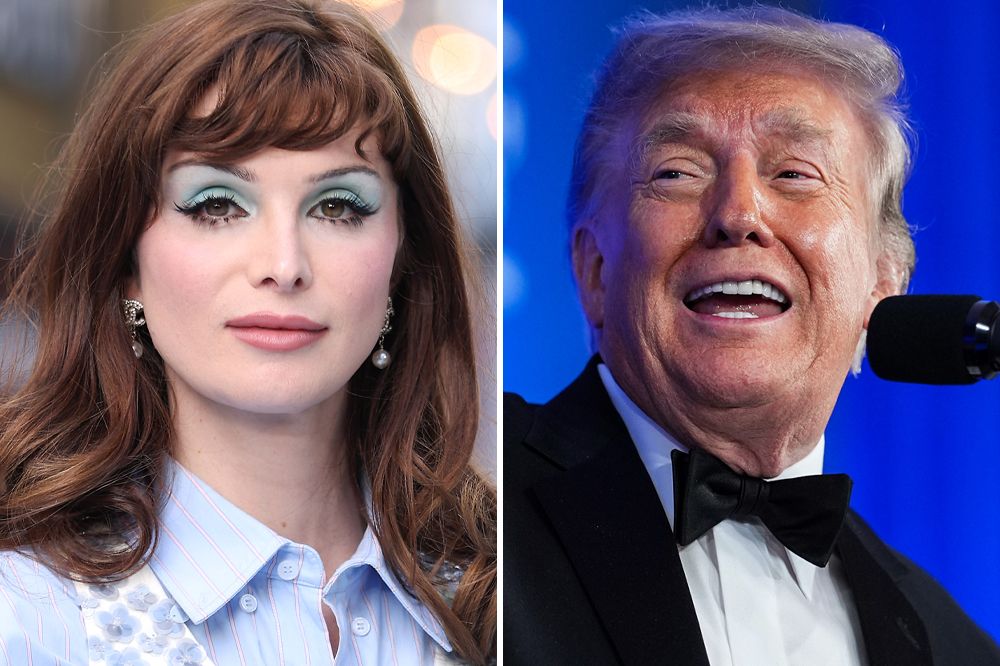
At 19:30 UTC on 21 July 2026, US President Donald Trump announced from the White House that he is "directing the administration to allow all US airline carriers to fly directly to Lebanon," invoking the rationale that Americans should be able to "visit this beautiful land," according to the Telegram wire insiderpaper. The directive follows a meeting earlier the same day with Lebanese President Joseph Aoun, as carried by the prediction-market account polymarket on X. A parallel GeoPWatch post at 19:39 UTC framed the move as the president "encouraging tourism to Lebanon," language consistent with the White House read.
The announcement lands in a Lebanese aviation market most Western carriers have avoided or suspended since the late 2010s, when security concerns and travel advisories thinned transatlantic schedules to a single-digit number of routes. Reopening direct US service is therefore less a tourism brochure than a confidence signal directed simultaneously at Beirut, Washington, and Iran via Hezbollah.
What the directive actually does
The announcement, as reported by insiderpaper, instructs the administration to permit any US carrier to launch direct service to Lebanon. Whether that translates into tickets sold depends on what comes next: a Transportation Department order modifying the existing US-Lebanon carrier designation, bilateral air-services negotiations through the State Department, and on airline boards willing to put widebodies on the route at a time when several major US carriers still flag Beirut in their security risk databases. The sources do not specify which agency will lead the implementation or the timeline.
Aoun's presence in Washington, flagged by polymarket on X moments after the directive, gives the announcement a bilateral character rather than a unilateral one. The phrasing Trump used, calling Lebanon "this beautiful land," is a softer register than the administration typically employs for the Levant, where the policy conversation has more often revolved around Hezbollah disarmament, border enforcement, and Iranian proxies.
Why now, and why tourism framing
Read narrowly, the directive is harmless: it costs nothing, signals goodwill, and lets the administration claim a delivered promise to a sitting Lebanese president. Read more broadly, it is one move inside a larger Lebanon file that has shifted across 2026. Lebanon's political class has spent the year negotiating a presidential settlement, and foreign direct investment, including tourism, has been repeatedly named by officials in Beirut as the first-order constraint on growth after years of currency crisis, port-era infrastructure damage, and wartime displacement on the southern border.
The "tourism" frame is also strategically useful because it sidesteps questions the directive does not answer: the status of the US-Lebanon bilateral, the question of whether Lebanese carriers will receive reciprocal rights, and the question of insurance and overflight permits. By leading with "beautiful land," the administration sets an aspirational tone while leaving the harder paperwork in the ordinary administrative pipeline.
The Hezbollah shadow
No story on a US opening to Beirut in 2026 is intelligible without accounting for the fact that substantial parts of southern Lebanon and the southern suburbs of Beirut sit inside a security perimeter that the US government itself treats as a target list for designated organisations. The sources do not specify whether the announced policy is conditioned on any progress in that file, and that omission is itself the story.
There are two plausible reads. The first is that the tourism gesture is precisely the point, a low-cost deliverable chosen because it does not require Hezbollah concessions to take effect, and because its symbolism travels further in the Lebanese street than any bureaucratic designation order would. The second is that the directive is the opening bid in a longer sequence, and that the harder terms, security guarantees, banking clean-up, or sanctions easing, will be sequenced behind it. The sources do not adjudicate between the two.
What to watch next
The next dated markers in this file will not be in Washington but in Beirut. The first is any joint statement from Aoun's office identifying what Lebanon offered in return for the aviation move. The second is a US Transportation Department rulemaking or carrier-designation filing in the Federal Register naming the carriers and the airports in scope. The third is whether any major US carrier, with the security and insurance picture in plain view, actually files a schedule at Beirut Rafic Hariri within ninety days. Until any of those three land, the directive remains a sentence the administration has spoken, not a route an airline has flown.
Wire provenance
This editorial synthesis draws on the following public wire/social posts:
- https://t.me/insiderpaper
- https://t.me/GeoPWatch
- https://x.com/polymarket/status/