Berlin's Russia line under the microscope after The Times report
The Kremlin says it has seen no practical signs that Berlin has softened its line on Russia–Ukraine talks, despite a Times report claiming otherwise.
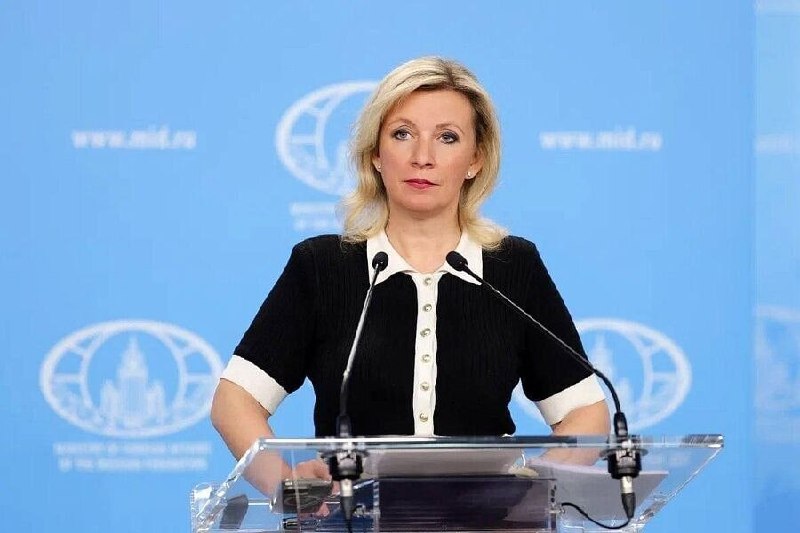
The Kremlin on 21 July 2026 declined to confirm any practical change in Berlin's negotiating posture, pushing back against a Times report that Germany's attitude toward talks with Moscow had shifted. Spokesman Dmitry Peskov, asked by journalists whether Moscow had detected concrete signals of such a recalibration, replied in the negative, according to a video posted that morning by Irish commentator Brian McDonald.
That exchange is small in words and large in implication. It places the German chancellery at the centre of a recurring question in European security policy: whether a major Western capital is quietly preparing the diplomatic ground for engagement with Moscow while the war in Ukraine grinds into a fourth year, and whether Moscow itself is being invited in or being played.
The report, and the denial
The Times report, as relayed by McDonald, claims that unofficial German channels have begun probing the contours of a possible negotiation. Peskov's response, captured on camera, was calibrated. He did not denounce the report or call it false. He did the opposite: he conceded that Berlin's line is being watched, then denied that anything has been observed in practice.
The pattern is familiar. Moscow routinely flatters the political weight of any Western capital that signals interest in talks, then demands paperwork as proof of intent. Berlin has been here before. In the spring of 2022, Olaf Scholz's government announced the Zeitenwende, the historic turnaround in German defence and energy policy, only to spend the next year fending off suggestions, from Paris and elsewhere, that economic realism might yet pull Germany back toward Moscow. Each time, Berlin insists that solidarity with Kyiv is not negotiable. Each time, Moscow reads the reluctance as a negotiating posture.
What the German position has actually been
Germany remains the second-largest bilateral military donor to Ukraine after the United States, and Berlin has been a consistent advocate inside the EU for sustaining sanctions pressure on Russian oil revenues. Chancellor Friedrich Merz's coalition has not signalled any appetite to break with that line. The Bundestag's cross-party consensus on Ukraine aid, eroded in 2024 under budgetary strain, was reinforced in early 2026 by a supplementary package that funded air-defence interceptors and artillery production.
That record is what makes The Times report unusual. Not because Berlin has never talked to Moscow, German intelligence liaisons remained open through 2023 on prisoner and consular matters, but because the suggestion of a political opening cuts against the public posture of the chancellery and the Bundestag. Peskov's refusal to corroborate the report, rather than the absence of reports altogether, is the more telling fact.
The longer game in plain terms
What this episode points to is the slow bifurcation inside Western capitals between public consensus and private manoeuvring. Public consensus has held: no recognition of annexed territory, no rolling back of sanctions absent verifiable Russian withdrawal, no settlement imposed on Kyiv against its will. Private manoeuvring is harder to read. When governments signal interest in negotiations without offering terms, Moscow is being asked to bargain with itself. When they do nothing, Moscow reads the absence of signal as a managed stalemate the West can hold indefinitely. Both reads are operative at once, and the German question now sits inside that gap.
There is also a leadership void behind this story. The United States under its 2025 administration pulled back from leading the Ukraine contact group, leaving France, Britain and the Nordics to do most of the heavy lifting on arms coordination. Germany, with the continent's largest economy and a defence budget that has grown faster than any other NATO European member, is the natural successor. For Berlin to open a back channel now would amount to de facto European leadership, exactly the role successive German governments have declined.
What to watch
The next clean signal will not come from Moscow or from The Times. It will come from Berlin. Whether the chancellery confirms, denies, or simply ignores the report will tell observers whether the story is a planted narrative, useful to Moscow because it suggests movement, useful to Kyiv's wearier European allies because it suggests pressure, or the genuine outline of a position still being drafted.
Two dates matter. The next EUCO summit in Brussels later this summer will test whether Germany, France and the Nordic-Baltic bloc can speak with one voice on the negotiation question. The next Ukrainian government readout on air-defence resupply will test whether Berlin's military support is decelerating alongside any political movement. If both stay where they are, Peskov's denial will have told the truth by accident. If either shifts, the Times report was early, not wrong.
Until then, the read is straightforward. Moscow wants paperwork. Berlin has so far declined to file any.
How Monexus framed this vs the wire: the wire reflects only a short Kremlin podium exchange and a single Sunday newspaper report. Monexus placed that exchange inside Germany's documented military aid record and the wider leadership question in European security policy to make the signal, or its absence, legible.
Wire provenance
This editorial synthesis draws on the following public wire/social posts:
- https://x.com/BrianMcDonaldIE/status/2079525003540795393