White House Ethics Concession Revives the CLARITY Act and Sends Bitcoin Past $66,000
A reported ethics deal with the White House lifted the CLARITY Act's passage odds to 42% and pushed Bitcoin above $66,000, exposing how thin the line between lobbying rules and asset prices has become.
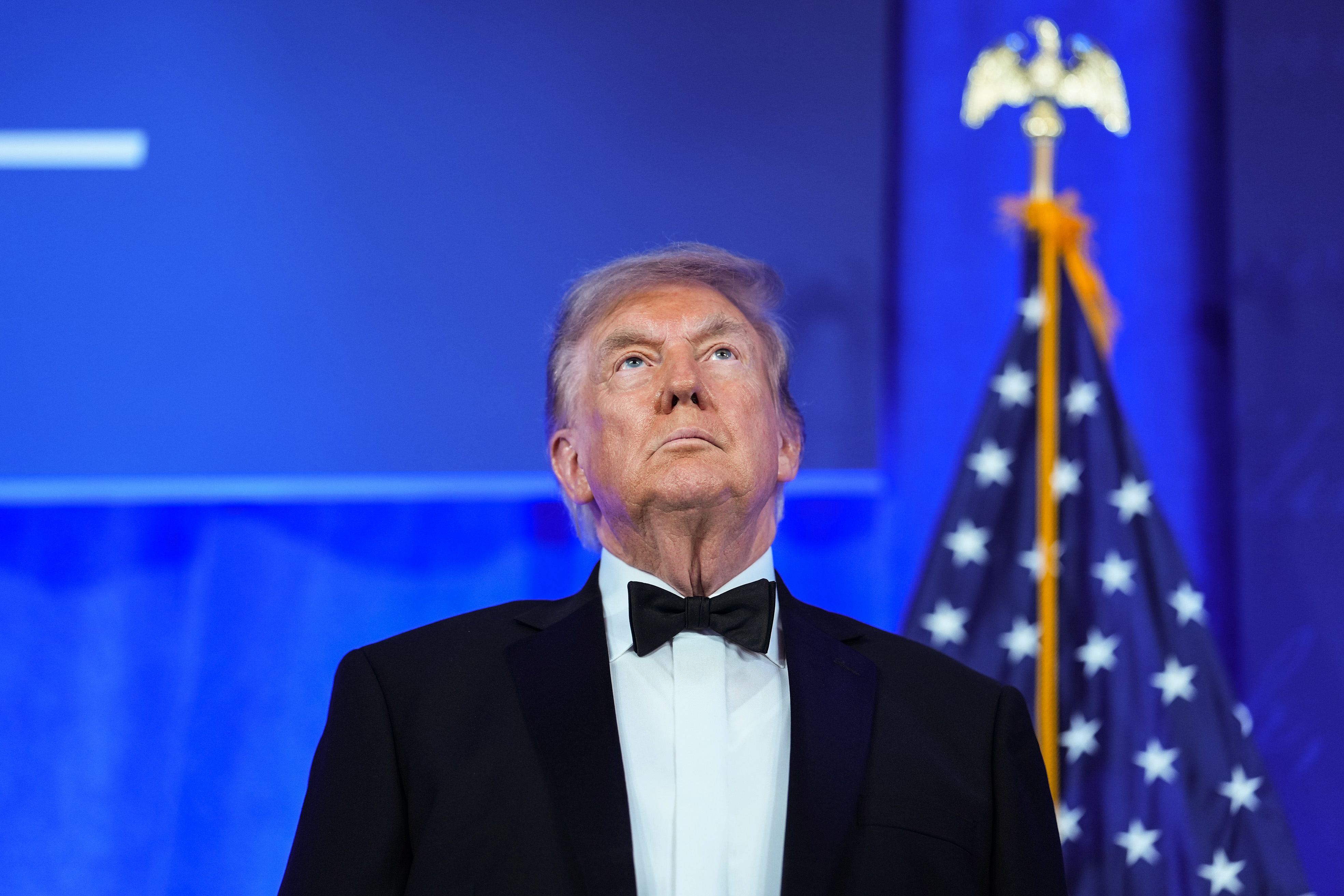
Bitcoin crossed $66,000 on 21 July 2026, a seven-week high, after reports that the White House had agreed to ethics provisions embedded in the CLARITY Act, the long-stalled market-structure bill that would formalise how digital assets are supervised in the United States. The price move was small in percentage terms but unusually clean for a Tuesday: a steady lift through the morning European session, then a sharper leg up as word of the concession spread through Washington policy desks.
What changed in Washington, on the face of it, is procedural. The CLARITY Act had been stuck for months over a fight about who in the executive branch gets to weigh in on self-certification filings from token issuers and exchanges. The White House has now agreed to ethics-side guardrails that address those concerns, and the bill's chances of clearing both chambers in 2026 jumped to 42% on prediction markets. That is not a majority. It is, however, the first reading above one-in-three since the spring.
The deal inside the deal
The ethics package is not, strictly speaking, about markets. It is about who at the White House can talk to whom about a bill that, if passed, would create a new regulatory boundary between the Securities and Exchange Commission and the Commodity Futures Trading Commission. The original objection, raised by a small bloc of senators and outside ethics counsel, was that the bill as drafted left a discretionary lane open for presidential aides to coordinate with industry on the rule-making that would follow enactment. The compromise narrows that lane. The substance of the market-structure carve-outs is unchanged.
That is why traders paid attention. The CLARITY Act is the legislative vehicle for resolving a question that has hung over every US-registered exchange and token issuer since 2023: which agency has primary jurisdiction over which digital asset. Until that is settled on the statute book, the industry's relationship with Washington runs through enforcement actions and consent orders rather than through rules. The price of Bitcoin has learned to read those signals. A reported ethics concession is, for this market, a credible leading indicator that the larger bill might actually clear.
Why the prediction market mattered
Polymarket-style contracts on CLARITY's passage moved first, before the spot price. The contract priced the bill's 2026 odds at 42% shortly after the White House story crossed wire services, up from the low 20s at the start of the month. Spot Bitcoin followed, with a roughly two-hour lag. That sequence matters because it tells you who saw the news first: not retail traders, but the political-risk desks and the prediction-market liquidity providers who track legislative calendars for a living.
The same sequence has played out, in slower motion, on every previous version of a US digital-asset framework since 2022. Each time, the price action has come after, not before, the procedural signal in Washington. This is partly a function of liquidity. US spot Bitcoin exchange-traded funds have absorbed a great deal of the order flow that used to hit offshore venues, and the authorised participants behind those products are unusually sensitive to anything that affects the regulatory perimeter. A 42% probability of a market-structure bill is, for them, a 42% probability of a cleaner secondary market.
What the bill would and would not do
CLARITY is not a permissive law. It does not legalise anything that is currently illegal, nor does it grant the industry a safe harbour. It draws lines. Tokens that meet a defined decentralisation threshold land at the CFTC; tokens that do not, stay at the SEC. The bill also tightens disclosure for issuers who self-certify, and it gives the SEC a defined window to challenge a filing before it becomes effective.
What the bill would not do is resolve the question of stablecoins, which is being handled in a separate piece of legislation, or the question of custody, which the prudential regulators have kept for themselves. The White House's ethics concession touches none of that. It is narrow, technical, and procedural, which is exactly why it cleared the political air without forcing either party to take an embarrassing vote on crypto policy in an election year.
The narrower the concession, the less durable the price move. If the bill stalls again in September, as it has in each of the past two sessions, the 42% odds will compress and the spot price will give back at least some of Tuesday's gain. That is the obvious risk, and it is the risk that the prediction market is currently pricing.
The structural read
What the past four years of US digital-asset policy have actually produced is a market that is increasingly priced in Washington. The asset used to trade on hash rate, on exchange flows, on the macroeconomic cycle. It still does, but it now also trades on the probability that a Senate committee will mark up a procedural amendment. That is a strange thing for a bearer asset to do, and it is worth saying out loud. Bitcoin's seven-week high on 21 July was not a function of on-chain activity or of a shift in monetary policy. It was a function of a reported phone call between executive-branch lawyers.
The industry's defenders will say this is a sign of maturation: that Bitcoin is now responsive to institutional signals the way gold and US Treasuries are. The industry's critics will say the opposite: that an asset whose price moves on procedural whispers is not the decentralised, censorship-resistant store of value the original white paper promised. Both readings are defensible, and the data does not yet settle the argument. What is settled is that the line between lobbying rules and asset prices is now thin enough that traders can read it in real time.
What to watch next
Three dates will tell you whether the 42% number is real. First, the committee markup, expected before the August recess. Second, a floor vote in the Senate, which would have to happen in September if the bill is to clear before the fiscal year's end. Third, the SEC's next round of guidance on token classification, which is independent of the bill but politically tied to it.
If the markup slips past the recess without a vote, the prediction market will reprice quickly and the spot price will follow. If the markup happens and the bill survives, the next resistance band sits closer to the previous all-time high than to $66,000. The market has decided, for now, that the procedural signal is real. Washington has not yet been asked to confirm it.
Desk note: this publication treats CLARITY's revival as a political-risk story first and a price story second. The wires led with the Bitcoin print; Monexus led with the procedural concession and the prediction-market move that preceded it.