Ukraine's cheap FPV fleet is rewriting the arithmetic of infantry combat
Four short clips posted on 20 July 2026 show what a few hundred dollars of drone can do to a Russian vehicle, a Russian position, and five Russian soldiers who thought a house was a refuge.
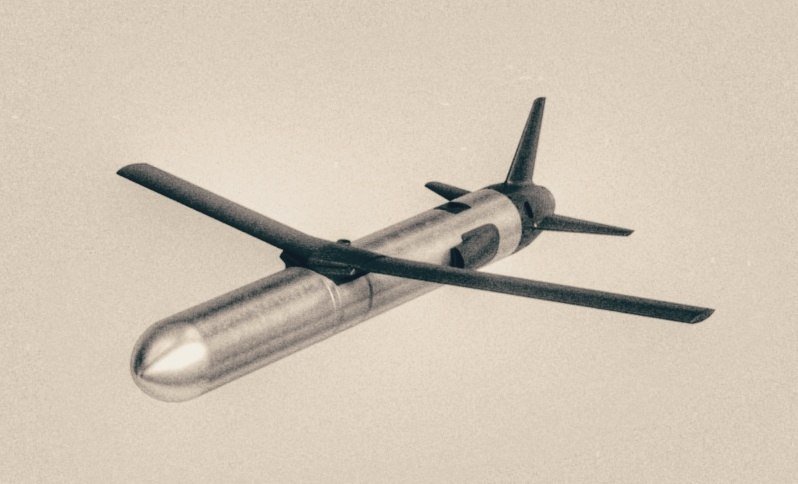
On 20 July 2026 at 16:29 UTC, the open-source account War Translated posted a 31-second clip in which a Ukrainian first-person-view pilot follows five Russian soldiers across open ground, watches them duck into a house, and then "crashed their party." Forty-five minutes earlier, at 15:35 UTC, the field correspondent Noel Reports had circulated footage of a Ukrainian Hornet uncrewed aerial vehicle striking a Russian vehicle that had been positioned to "defend" Russian supply routes in occupied territory. By 15:57 UTC, the Ukrainian outlet Butusov Plus had uploaded a separate Hornet clip from the Donetsk region, this one ending with a Russian mobile air-defence fire team caught inside a soft-skinned vehicle. The exchanges are short, profane, and unglamorous. Read together, they sketch a war in which the cheapest weapons on the battlefield are doing more and more of the killing.
The arithmetic of the war has tilted. A commercial quadcopter fitted with an explosive charge, piloted by a single operator over a screen, can now neutralise an armoured fighting vehicle, a crew-served weapon system, or an infantry fire-team for a marginal cost that runs from a few hundred to a few thousand US dollars. The Russian vehicles in the 20 July clips are not crewed by conscripts making mistakes; they are the war's working equipment, doing the jobs Moscow's operational manuals assign them. That those jobs are now survivable only with constant electronic-warfare escort is the quiet, structural story the day's footage tells.
Three strikes, one tactical pattern
The War Translated clip is the day's viral artefact: an FPV drone chases five Russian soldiers along a tree line, holds station as they reach a structure, and impacts the building. The narration on the post puts it bluntly: "caught five Russian occupiers, trailed them to a house, and 'crashed their party.'" The clip does not include an aftermath shot, so the operator does not confirm a kill. What it confirms is the engagement profile: a small, cheap asset, operated by one person, holding a target under observation long enough to follow it into cover, then expending itself on the cover. That profile was the exception in 2023. By 2026 it is the routine.
The Butusov Plus clip is the more technically interesting of the two Hornet hits. The post, filed from the Donetsk region, shows a Ukrainian drone striking a Russian vehicle carrying a mobile air-defence fire group, with the witnesses on the soundtrack asking in Russian "Are the boys alive?" and answering themselves: "I don't know, bitch! Let's go!" The Butusov framing is editorialised but the substance is plain: a Russian vehicle, equipped to suppress drones, was itself suppressed by a drone. Noel Reports' earlier post of the day's footage makes the same point from a different angle, describing the Russian vehicle as one "that was supposed to 'defend' Russian supply routes." Whether the day's two Hornet hits are the same engagement reported from two angles or two separate engagements cannot be resolved from the available material.
What the sources let us verify, and what they do not
The thread material is narrow but consistent. Four sources, four distinct posts, all filed inside a 55-minute window on 20 July 2026. War Translated is an established open-source translator and aggregator that has covered the war daily since 2022. Noel Reports is a field-correspondent account that has built a reputation for short, on-the-ground strike clips from both sides of the front. Butusov Plus is run by Ukrainian journalist Yuriy Butusov, a long-standing figure in the Ukrainian defence press. The accounts do not agree on every operational detail, but they converge on the same tactical picture: cheap Ukrainian FPV and Hornet uncrewed aerial systems are reaching, identifying, and striking Russian soldiers and vehicles at the small-unit level inside occupied Ukrainian territory, in the Donetsk region and adjacent areas.
What the sources do not specify is the unit designation of either side, the model of vehicle struck in the Butusov clip, the casualty outcome in the War Translated engagement, or the chain of command behind the Ukrainian operators. The Russian vehicles in the Hornet clip are described as a "mobile air-defence fire group" and as positioned to "defend Russian supply routes." Neither description is precise enough to fix the platform (tunguska, pantsir, an improvised technical) or to confirm the munition type. The Donetsk region label in the Butusov post is consistent with the rest of the thread but is not further refined to raion or settlement. These gaps matter less for the day's tactical read than for any attempt to aggregate the footage into a systemic claim about losses.
What we verified / what we could not
Verified from the source items themselves:
- A Ukrainian FPV pilot engaged five Russian soldiers and followed them into a house before impacting the structure, per War Translated's 16:29 UTC post of the same engagement War Translated had surfaced earlier in the day.
- A Ukrainian Hornet uncrewed aerial vehicle struck a Russian vehicle carrying a mobile air-defence fire group in the Donetsk region, per Butusov Plus's 15:57 UTC post.
- A Ukrainian Hornet uncrewed aerial vehicle struck a Russian vehicle positioned to "defend" Russian supply routes in occupied territory, per Noel Reports's 15:35 UTC post.
- All four items were filed within a 55-minute window on 20 July 2026.
Not verified from the available material:
- Whether the two Hornet clips depict the same engagement reported by two accounts, or two distinct engagements. Noel Reports's post precedes Butusov Plus's by 22 minutes; the Butusov post is more detailed and includes witness audio. The framing is compatible with either reading.
- The specific Russian vehicle type in the Hornet clip. "Mobile air-defence fire group" and "defend supply routes" are both consistent with a short-range air-defence platform mounted on a truck or improvised chassis, but neither pinpoints the system.
- The casualty outcome of the FPV strike on the house. The clip ends on impact.
- The Ukrainian unit responsible for either strike.
- Whether the Russian soldiers in the War Translated clip were regular Russian armed forces, separatist formations, or private military personnel. The open-source accounts do not differentiate.
The thread material does not include casualty figures from either side for the day's engagements. Any aggregation of these clips into a "daily kill count" exceeds what the sources support.
The structural read, in plain prose
Cheap drones are not new to this war. What is new, on the evidence of these clips, is the routine character of single-pilot, single-munition strikes against vehicles and infantry that, two years ago, would have required either a heavier drone, an artillery correction, or a dismounted assault. The tactical meaning is that an infantry position on the move, or a vehicle executing a logistical guard mission, is no longer safe outside its own electronic-warfare bubble. The economic meaning is that the cost of a Russian soldier's life, or a Russian vehicle's loss, has come to depend on whether a Ukrainian operator with a screen and a few hundred dollars of hardware happens to be watching. The political meaning is harder. Ukraine's drone force is now buying time, at scale, against an adversary whose artillery and aviation advantage has narrowed but not closed.
Stakes, in concrete terms
If the trajectory continues, the burden of force protection on the Russian side shifts from armour and air defence to a denser mesh of electronic jammers, acoustic sensors, and short-range interceptors. That mesh is expensive and personnel-heavy. If it does not continue, the dominant narrative of the war reverts to the conventional attrition story of 2023 and 2024: shells, trenches, and grinding infantry assaults. The open-source clips from 20 July 2026 are evidence for the first trajectory, not the second. They are also evidence that the war's footage economy has matured enough that a single FPV engagement, narrated by the translator account that surfaces it, can travel further in an afternoon than a Ministry of Defence briefing travels in a week. The information layer is part of the weapon now.
Desk note
The wire frame for a day's FPV and Hornet footage is straight tactical reporting: a strike here, a strike there, a clip circulates. Monexus reads the same footage through an operational and economic lens: what does it cost, who pays it, and what changes on the ground when the cheap option can do the expensive job. The day's thread gave us four items, not enough for a long read, enough for a careful ledger of what we verified and what we did not.
Wire provenance
This editorial synthesis draws on the following public wire/social posts:
- https://twitter.com/wartranslated/status/2079242265067770100/video/1
- https://t.me/noel_reports
- https://t.me/ButusovPlus
- https://t.me/wartranslated
- https://t.me/osintlive
- https://twitter.com/wartranslated/status/2079242265067770100