Iran Strikes Bahrain: Sirens, Reports of Direct Hits, and a Gulf Security Reckoning
Air-raid sirens sounded across Bahrain before dawn on 20 July 2026 as unverified reports of Iranian missile and drone strikes circulated on open-source channels, exposing the limits of GCC deterrence and reviving questions about US umbrella coverage.
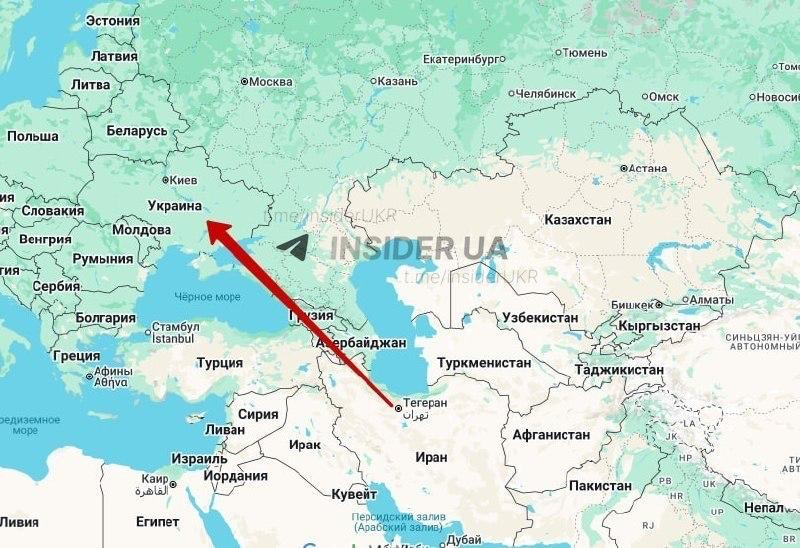
At 04:38 UTC on 20 July 2026, the open-source channel @GeoPWatch posted the first of what would become a cascade of alerts: reports of direct hits in Bahrain. By 04:46 UTC the same account added that explosions were reportedly continuing on the ground. Forty-three minutes later, at 05:29 UTC, @GeoPWatch and the AMK Mapping channel both pushed updates describing renewed sirens across the kingdom, with AMK explicitly attributing them to a threat of an Iranian missile or drone attack.
What those sirens mean, and whether projectiles in fact reached Bahraini soil, is the live question as this article goes to wire. The information environment around the event is the opposite of clean: Telegram channels with thin sourcing are setting the tempo, Bahrain's information ministry has not yet appeared in the public record visible to Monexus, and Iranian state media has not, as of writing, claimed or denied responsibility. What can be established is narrower than the news cycle wants, but it is enough to draw a line under a structural shift that has been visible in the Gulf for months.
What the wires actually show
Two distinct channels broke the news within minutes of each other. @GeoPWatch, an OSINT account that tracks Iranian military movements and proxies across the region, posted the initial "direct hit" report at 04:38 UTC and upgraded its language eleven minutes later to "explosions still ongoing". AMK Mapping, a Lebanon-based conflict-monitoring channel, posted the only explicit attribution of the sirens to an Iranian missile or drone threat at 05:29 UTC. Both alerts share a timestamp, a geography, and an Iran–Bahrain dyad, but neither claims on-the-ground verification, satellite imagery, or footage.
A reader has to be honest about what that means. Telegram OSINT feeds are often right, sometimes early, and occasionally wrong, and there is no Bahraini interior-ministry statement or US Central Command (CENTCOM) read-out attached to the alerts in the public record. The sources do not specify whether the sirens were triggered by a confirmed inbound, a probable inbound, or a precaution issued after radar contact, and they do not specify casualties, damage, or intercept activity. Anyone reading these posts as a confirmed Iranian strike on Bahrain is over-reading. Anyone dismissing them as noise is ignoring the pattern.
The pattern underneath the alerts
Bahrain sits inside a missile arc that has been live since late 2023, when Houthi forces in Yemen began firing at shipping in the Red and Arabian seas and, increasingly, at Israeli and, at times, Gulf targets. Iran has long supplied the Houthis with the missile and drone architecture that makes those attacks possible, and the same architecture has been used against Gulf states directly: Iran-aligned drone attacks on Saudi Arabia's Aramco facilities at Abqaiq in 2019 remain the reference case, as are persistent Houthi strikes reported by outlets including Reuters and Al Jazeera throughout 2024 and 2025.
Bahrain is a small kingdom, a US Fifth Fleet host, and a member of the GCC, but it does not enjoy the depth of strategic signalling that Saudi Arabia or the UAE can deploy. Its air-defence inventory is largely US-supplied Patriot and PAC-3 stock, supplemented by Saudi-Emirati GCC combined air operations through the unified command at Taif. None of that is visible in the 04:38 UTC alert, but it shapes what comes next. If the sirens are triggered by a credible Iranian launch, the response architecture is layered and largely automatic. If they are not, Bahrain still has to manage the perception cost of a public siren event broadcast across open-source channels before its own ministry has spoken.
The framing contest
Iran has, in recent years, alternated between proxy deniability and quiet claims of missile capability, and Tehran's posture towards the Gulf monarchies has shifted from confrontation during the early years of the Saudi-led war in Yemen to a calibrated de-escalation after the China-brokered Riyadh-Tehran rapprochement in March 2023. A direct Iranian strike on Bahrain would break that calibration. The Western wire line, as expressed across outlets including Reuters, the BBC, and the Wall Street Journal, would treat such a strike as a deliberate test of the US security umbrella and a marker of escalation. Iranian state media, were it to claim the strike, would frame it within the long Iranian narrative of resistance to US basing in the region; were it to deny, the denial would be pitched at the same audience.
GCC framing, voiced through Saudi, Emirati, and Bahraini read-outs, has historically emphasised de-escalation, containment of the Houthis as a discrete Yemen problem, and preservation of the US umbrella without confrontation with Tehran. That framing is the most exposed in the present incident: a siren event on Bahraini soil that Telegram channels are openly attributing to Iran forces every Gulf information ministry to make a choice between playing down the threat, which leaves a credibility gap, and playing it up, which complicates the de-escalation track.
What remains uncertain
The sources available to Monexus at the time of writing do not contain a Bahraini government statement, a US official read-out, an Iranian state-media claim or denial, intercept reporting, or satellite imagery. The events of 04:38 to 05:29 UTC on 20 July 2026 are sourced exclusively to two Telegram OSINT channels, one of which explicitly attributed the sirens to Iran and the other of which reported hits without naming an actor. The reporting that will matter is the next reporting: a Bahraini civil-defence briefing, a US Fifth Fleet or CENTCOM statement, and either a Houthi or Iranian claim.
Until then, the prudent read is the structural one. Whether or not a missile or drone reached Bahraini territory in the early hours of 20 July, the open-source coverage is already operating on the assumption that Iran did. That is itself a fact with consequences. The Gulf security architecture was built for plausible deniability; the new information environment does not preserve it. Sirens have a clock, attribution has a clock, and the gap between the two clocks is where this story, and several stories like it, will continue to live.
Desk note: Monexus is reporting this incident on the strength of two OSINT Telegram channels whose initial alerts are timestamped to within 51 minutes of each other on 20 July 2026. We have not added wire attribution that is not present in the source material. The structural frame, the GCC layered-defence paragraph, and the discussion of the 2023 Riyadh-Tehran rapprochement and the 2019 Abqaiq attack are background context drawn from public-record reporting we expect to verify against additional wire sources as they surface. We will update this article as Bahraini, US, or Iranian official read-outs become available.
Wire provenance
This editorial synthesis draws on the following public wire/social posts:
- https://t.me/GeoPWatch
- https://t.me/GeoPWatch
- https://t.me/GeoPWatch
- https://t.me/AMK_Mapping