China’s Huaxin bets on a Nigerian cement crown, leaving Dangote and BUA to chase
A Hong Kong–listed group has rebranded Lafarge Africa as HBM Nigeria and is racing to add clinker capacity, a move that puts the country’s two homegrown champions on the back foot ahead of an overseas listing.
Lead
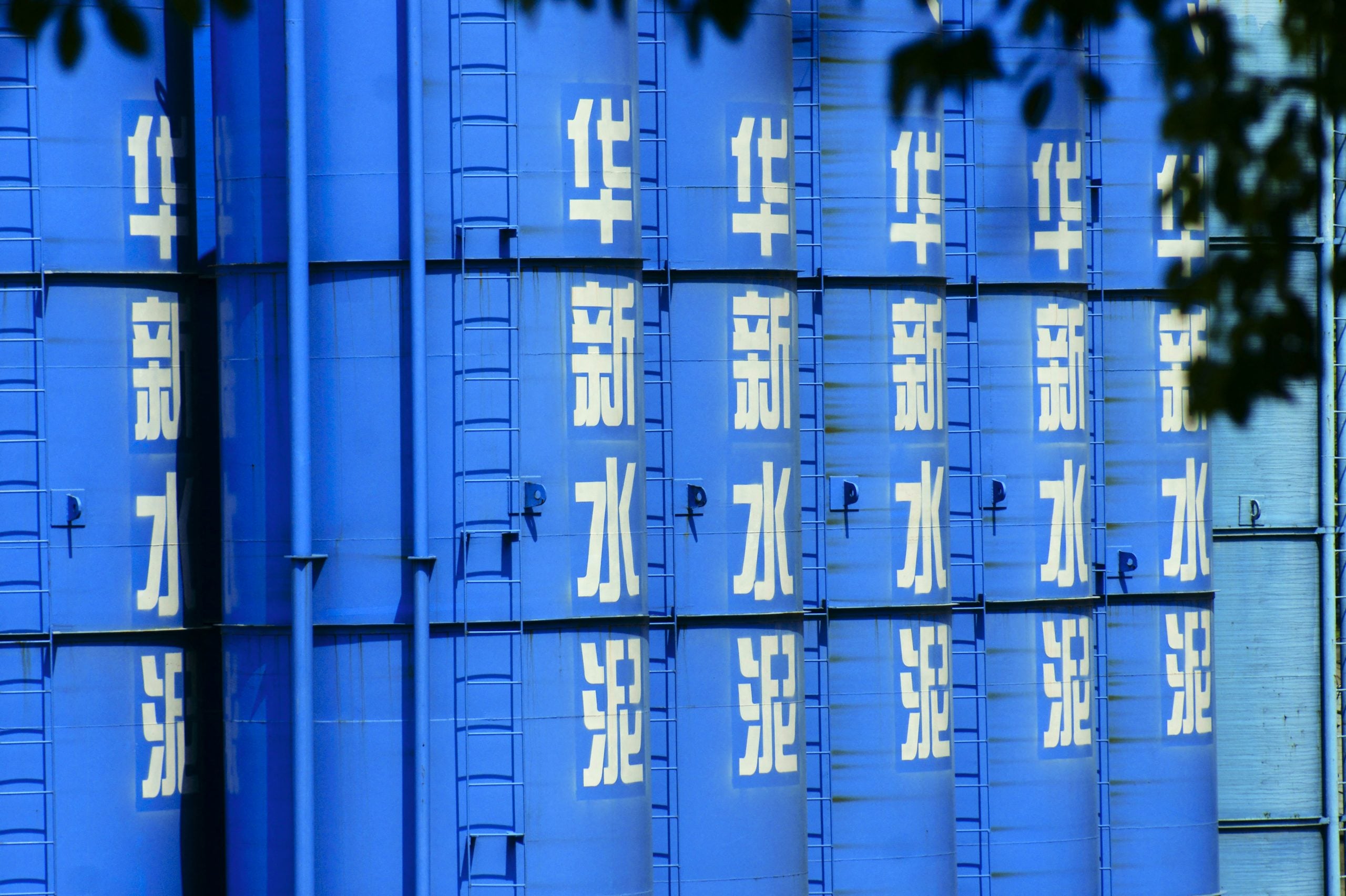
On 20 July 2026, the Nigerian cement map looks different from the one analysts drew two years ago. Hong Kong–listed Huaxin Cement has rebranded the former Lafarge Africa operations as HBM Nigeria, shoehorned in extra clinker capacity, and positioned the enlarged entity for an overseas stock-market listing, according to The Africa Report’s African Perspective roundup on 20 July. The capacity that France’s Lafarge once commanded in Nigeria now answers, formally and structurally, to a boardroom in Central rather than Lagos.
The move lands between two larger Nigerian industrial houses, Dangote Cement and BUA Cement, both of which have spent the last decade absorbing plants, deepening distribution and pricing their way to dominance. With HBM Nigeria entering the same capital-intensive chase, the contest that was already billed as a duopoly is becoming a three-cornered race, and the capital raising has begun to migrate away from the continent.
Nut graf
What this restructuring actually signals is not a retreat of multinational capital from West African heavy industry but a change of address. France exits through a brand change rather than a sale. Mainland China, via Huaxin, takes the seat at the table. Nigerian promoters remain priced in, but the listing trajectory of the new vehicle implies a new pool of capital, in a new jurisdiction, with a new reference shareholder. Industrial policy meets capital-markets geography in a single transaction.
A new horse in a familiar race
Until recently the structure was legible. Lafarge Africa held two integrated plants at Ewekoro and Sagamu in southwestern Nigeria plus a grinding unit in Ashaka, an installed capacity that, on its own, would register as a respectable mid-tier producer in any African market. The owner, LafargeHolcim, ran the asset as part of a pan-African network and divested it earlier in the 2020s. The brand stayed French in name longer than the ownership did.
The Africa Report briefing of 20 July is explicit on the rebranding: the platform has been renamed HBM Nigeria, with Huaxin Cement, listed on the Hong Kong exchange, acting as the consolidated sponsor. Whether the rebrand settled over the operating subsidiaries first or the holding company first will matter for tax treatment and minority-shareholder governance, but it does not change the operational consequence. Production guidance, capex allocations and clinker-versus-grinding mix decisions now arrive through a Hong Kong head office before they reach Lagos. The marquee property in Nigerian cement is no longer a subsidiary of a Swiss-listed multinational. It is the Africa arm of a mainland-Chinese champion.
From Huaxin’s perspective, the deal extends a long-running outbound strategy. The group has spent the past decade assembling a portfolio of plants across Africa and Central Asia precisely because its home market in China has matured into a low-growth, capacity-rich environment. Buying into Nigeria, sub-Saharan Africa’s largest cement market by volume, plugs Huaxin into a country with chronic housing supply deficits, ongoing infrastructure programmes and a federal government that still tilts procurement toward locally produced building materials. The African Perspective brief frames the move as a deliberate racing strategy: HBM Nigeria is positioning itself to add capacity quickly, with the assets earmarked for an overseas stock-market listing.
The homegrown challengers adjust
Dangote Cement did not get to roughly half of Nigerian capacity by accident. Its Ibese plant, the Obajana complex and the deepening integration into sea-freight logistics have made its cement price a benchmark that the Nigerian Exchange publishes. Its response to a Hong Kong–anchored third heavyweight will be familiar: more capacity, faster distribution, more aggressive backward integration into power and limestone.
BUA Cement’s playbook is similar in shape, more recent in execution. Its Sokoto and Edo plants have allowed it to climb into second position. The Africa Report account makes clear that BUA is one of two local champions now forced to respond, alongside Dangote, to a rival that has both an inland cost base and an external capital pool. The BUA-aligned Cement Company of Northern Nigeria, also referenced in the briefing, sits inside the same defensive perimeter.
The contest, in other words, is moving from a regional oligopoly to a tri-polar structure with three capex programmes running in parallel. Nigeria will produce more cement than it needs in any single budget cycle, which means price competition is back on the table in markets outside the immediate Lagos-Ibadan-Ilorin corridor, where logistics costs already thin margins.
Why the listing matters more than the brand change
The phrase inside The Africa Report’s account that deserves the most reading is the one about an overseas stock-market listing. Brands are marketing; listings are governance. The decision to pursue an overseas listing implies that HBM Nigeria’s parent believes the multiple it can secure in Hong Kong, or in a parallel international venue, exceeds what the Nigerian Exchange can absorb for a domestic cement issuer of that scale. That choice has consequences for disclosure regime, minority-shareholder protections, currency of dividends and, crucially, the optics of regulatory arbitration. Africa’s largest cement market will, in this configuration, see a meaningful share of its industry-reported earnings migrate to a regulatory perimeter outside the continent.
It also widens the pool of capital available to the Nigerian operations when the next capacity step comes. Huaxin has the balance sheet to underwrite further clinker lines, and an overseas listing re-encumbers that balance sheet against a new shareholder base without forcing Huaxin to dilute itself in Hong Kong. For Dangote and BUA, the corresponding defensive response is to keep reinvesting free cash flow rather than to declare outsized dividends. The capital intensity of cement does, at least, narrow the playbook to something legible.
The structural frame, in plain language
What we are watching is a re-routing of Africa-bound capital flows. Multinational cement majors from Europe offloaded African assets into the late 2010s and early 2020s, partly because of cyclical weakness in European construction, partly because of carbon-transition costs they preferred not to book in their home jurisdictions, and partly because capital discipline frameworks pushed them to focus capital on fewer, larger markets. The buyers, in many of those transactions, came from outside the OECD: Chinese, Indian, Turkish and North African promoters took the seats the European majors vacated.
This is one of those transactions. The capital is now arriving with a longer time horizon and a clearer appetite for capacity expansion than the previous owners showed. The Nigerian regulator’s preference for competition, the federal government’s preference for jobs, and the capital-markets preference for listing scale all point in the same direction. The African Perspective framing of the deal, rival answering to Hong Kong, not Lagos, captures the structural point without overstating it.
Stakes over the next 12–18 months
Three signposts will tell us whether the listing and capacity additions actually land, or whether HBM Nigeria dilutes into a standoff:
• A formal Hong Kong or international listing timetable, with the venue, the size and the lock-up structure disclosed in a prospectus. The Africa Report identifies an overseas listing as the destination; the precise venue is the next datum to watch. • Visible clinker-line construction in southwestern Nigeria, where capital deployment precedes output. Cement is a slow asset; the lead time from groundbreaking to first cement is measured in years, not months. • Pricing in Lagos, Sokoto and Kano, where Dangote and BUA have historically defended margin through route discipline. A sustained drop in ex-factory prices in any of those markets would confirm the tri-polar contest has moved from announcement to operation.
What remains genuinely uncertain
The reporting relied on here is a single dated roundup, citing deal terms that have not yet been reproduced in a Hong Kong Stock Exchange filing Monexus has been able to verify directly. The exact equity split between Huaxin and any local partner inside HBM Nigeria, the regulatory approvals still pending at the Nigerian Stock Exchange, and the timing of the overseas listing are all material to the structural argument above and none of them are settled in the single source used here. The narrative frame will hold up regardless, a third heavyweight, a re-routed chain of governance, but the specifics will sharpen once the listing documents appear.
Desk note: Monexus framed this as a capital-route story, not a national-champion story. The wires tended to read Dangote-versus-BUA as a domestic duopoly; African Perspective puts the emphasis on where the next listing is being prepared, and that is the beat we have run with.