Galaxy bets a Texas college stadium on a maturing crypto market
Galaxy Digital will rename Texas Tech's football stadium for 15 years, extending a run of crypto firms paying top dollar for college sports real estate as institutional capital migrates into the sector.
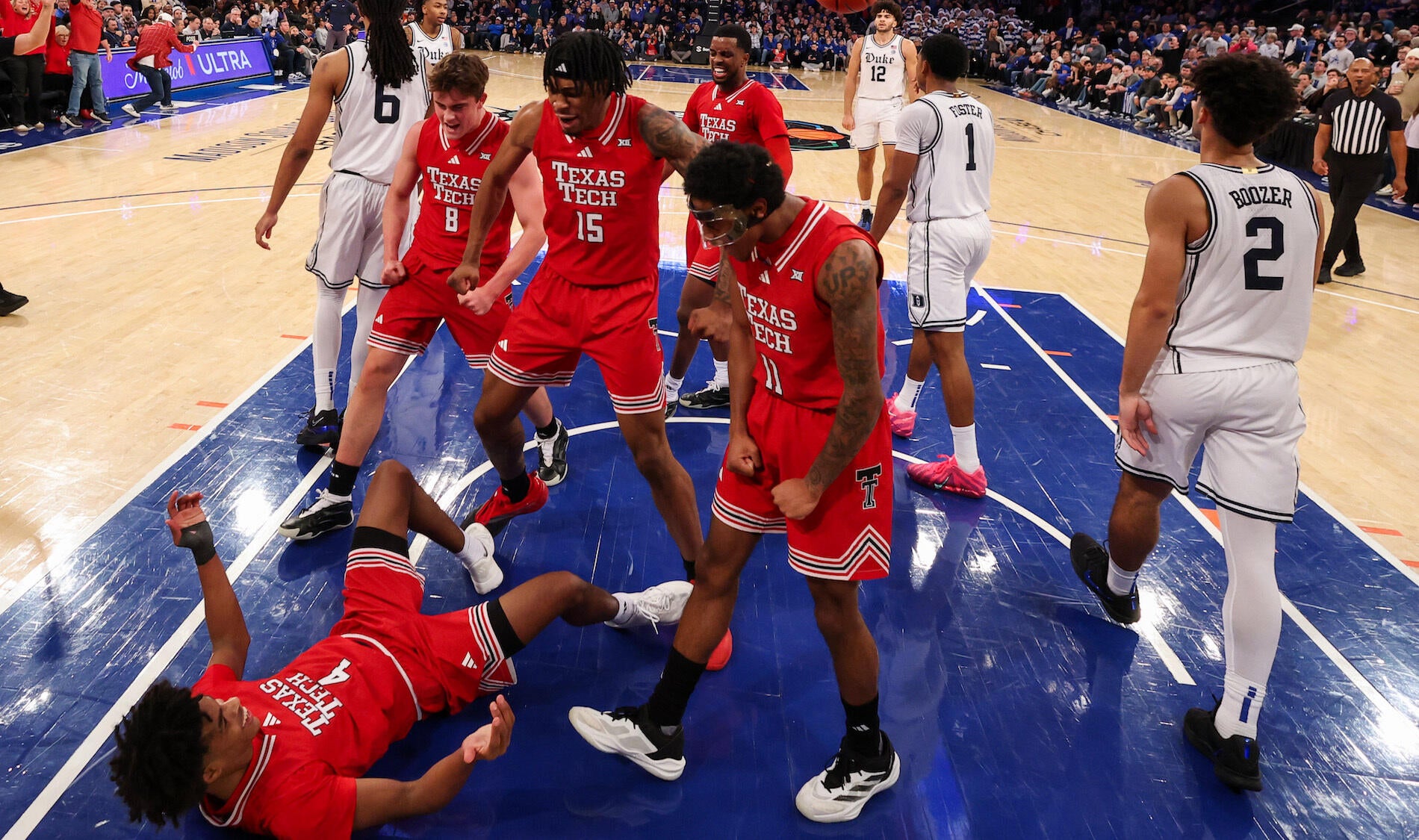
The deal landed at 06:35 UTC on 18 July 2026. Galaxy Digital, the New York-listed crypto merchant bank run by Mike Novogratz, signed a 15-year agreement to attach its name to the football stadium at Texas Tech University in Lubbock, according to Cointelegraph. The contract is the latest and longest-dated in a string of stadium-naming deals that have pulled digital-asset firms deep into the heartland of American collegiate sport, and it lands at a moment when the industry's centre of gravity is visibly shifting toward regulated, institutionally traded crypto in the United States.
The headline terms are simple: 15 years, one stadium, one brand. The subtext is more interesting. Galaxy has spent the last two years repositioning itself as a Wall Street-grade crypto shop, with prime brokerage, derivatives and asset management all under one ticker. A stadium naming deal does not move the balance sheet. What it does is buy the firm a permanent billboard in front of a Big 12 fanbase and, more importantly, in front of the alumni donors, regional banks and family offices that increasingly handle the onboarding for the next wave of crypto-curious capital.
A decade and a half of shelf space
College sports have become the favoured advertising surface for digital-asset firms. The economics are straightforward: a captive regional television audience, a season that runs from late August through the conference championship games in December, and a broadcast rights package that now bleeds into streaming. For a firm whose customers are retail traders, family offices and a small but growing layer of institutional allocators, that audience profile is unusually clean.
Galaxy's 15-year horizon is the longer of these commitments. It implies a bet that whatever regulatory cloud currently sits over US crypto will, in the main, have lifted by the early 2030s; otherwise, the firm would not lock a logo in place through a likely two more presidential election cycles. The deal also implies that Galaxy expects to remain a going concern under the same brand, which is itself a quiet vote of confidence in a sector that has thinned considerably since the 2022 collapses.
Texas as crypto's new magnet
Lubbock is not Miami. It is not even Austin. But Texas has, over the past three years, become the most aggressive US state in courting crypto mining, Bitcoin treasury companies and the legal infrastructure that sits underneath them. State-level legislation has clarified property rights for digital assets and created a permissive sandbox for firms that want to domicile trading desks without coastal friction.
Galaxy's move is the cleanest signal yet that the industry's marketing budget is following the legal budget. A firm that wants to be visible to West Texas high-net-worth families, regional bank trust departments, and the agricultural-energy complex that converts stranded gas into Bitcoin has to plant a flag on the ground they care about. Football is the lingua franca. The deal will put the Galaxy brand in front of roughly 60,000 fans per home game, plus the broader Big 12 audience through conference broadcasts, for the next decade and a half.
What the longer arc looks like
There is a counter-read worth taking seriously. Some analysts argue that sports sponsorships in crypto are a lagging indicator, not a leading one; that firms reach for stadium deals when their core trading revenues plateau and they need a different kind of mindshare. There is some truth to that. The most aggressive sponsors of the past 18 months have not always been the firms with the strongest balance sheets.
That said, the structure here is different from a one-off patch on a practice jersey. A 15-year naming rights commitment is a balance-sheet line, not a marketing campaign. Galaxy is signalling that it intends to be in the same conversation in 2041 as it is in 2026. For an industry that has lost more than one household name to insolvency, longevity claims are not made lightly.
The unverified piece of this story, for now, is the dollar value of the deal. Cointelegraph's reporting on the agreement did not include a figure, and the university has not, as of the time of writing, posted a press release confirming financial terms. Until that number lands, the comparison set is incomplete: a 15-year commitment can mean very different things at $5 million per year, $15 million per year, or somewhere in between. The duration says something about Galaxy's confidence; the price, when it emerges, will say something about its discipline.
What is already clear is the direction of travel. Crypto's marketing surface has shifted from the conference circuit and the conference press room to the stadium and the broadcast booth. The firms that can afford the longer commitments are, increasingly, the ones that look most like the rest of Wall Street. That convergence is the story the stadium is being built to advertise.
Desk note: Monexus frames this as a brand-and-distribution story, not a trading-volume story; the deal's significance is in the duration and the geography, not in any immediate balance-sheet impact.
Wire provenance
This editorial synthesis draws on the following public wire/social posts:
- https://t.me/cointelegraph
- https://t.me/cointelegraph