England 6, France 4: a bronze-medal match that refused to behave
Neither side wanted to be there. Ten goals and one of the strangest fixtures in tournament history later, England left the 2026 World Cup with bronze and a stat line that will follow the squad for years.
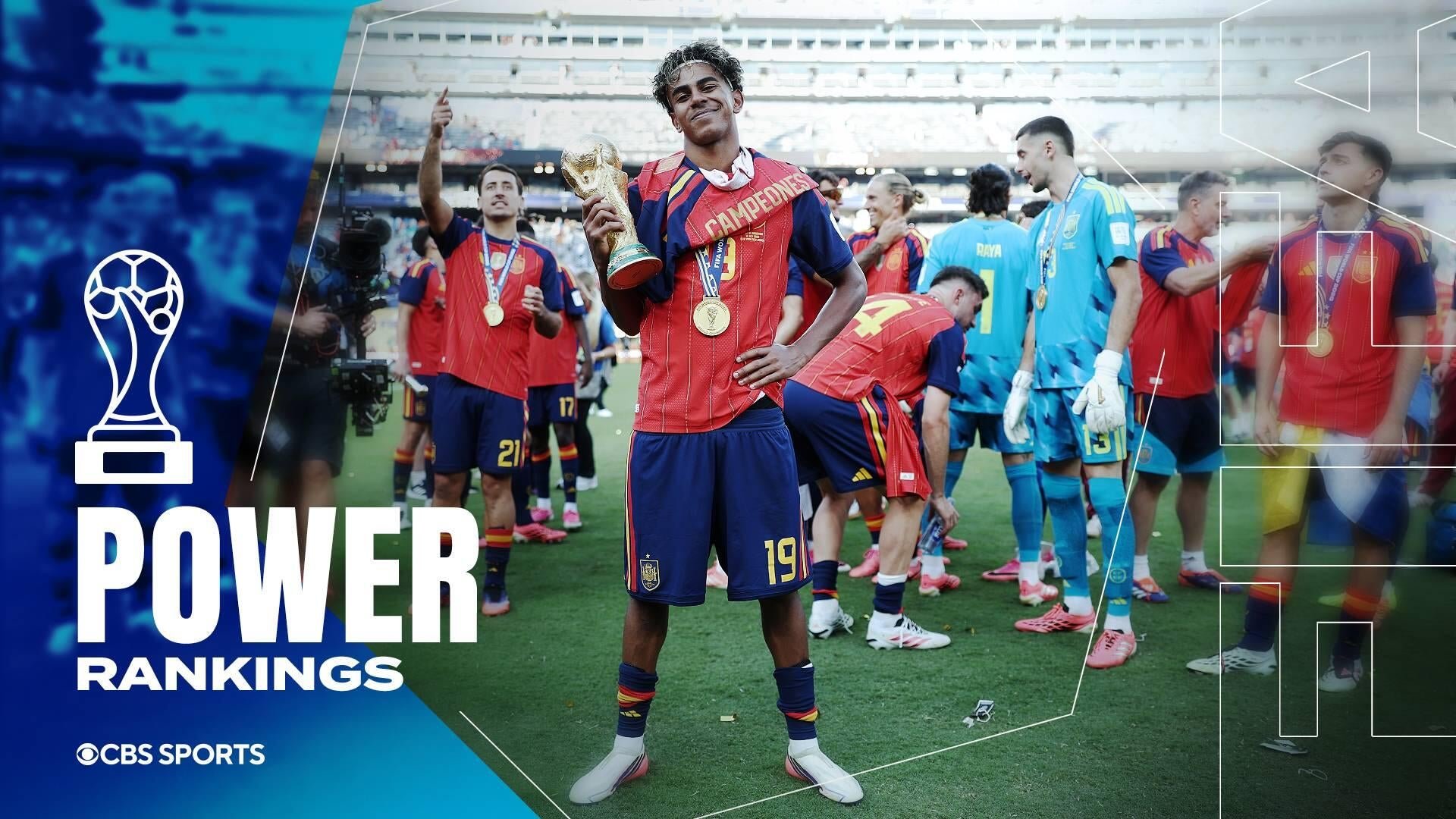
Ten goals. Four for France, six for England. A scoreline that belongs on a pub whiteboard at 11 p.m., not on a World Cup ledger. The third-place play-off at the 2026 tournament ended 6-4 to England, with both sides treating the consolation fixture less as a farewell than as an open invitation to chaos, and the result will sit in the record books as one of the wildest matches the competition has staged.
The match, played on 18 July 2026, was not the game either squad wanted to be in. Neither England nor France had planned to be contesting bronze; both arrived at the fixture on the back of semifinal exits, and the ESPN match report noted that the contest became "one of the zaniest matches in World Cup history." The BBC's player-rating prompt to supporters closed at full-time, with the outlet inviting readers to score each player out of 10. The Polymarket market for the result, posted shortly before the final whistle at 23:02 UTC, recorded the 6-4 scoreline as the settled price.
How the thing actually played
A 6-4 scoreline in a senior World Cup fixture is, on its own, almost a statistical anomaly. The sport's international game has trended toward tighter margins: tactical discipline, goalkeeping quality, and set-piece economy have compressed scorelines across the women's and men's tournaments over the past decade. That a third-place fixture produced ten goals speaks to a specific kind of match state, the kind where both sides have conceded the result emotionally and start playing the next minute rather than the next goal.
The BBC's coverage of the fixture, including its player-rating prompt for England and France players out of 10, treats the match as a discrete event rather than as a footnote to a semifinal. That matters. Third-place play-offs at World Cups carry a strange status: they have no trophy of consequence, no route forward, and yet they tend to produce the kind of football that consultants write case studies about a decade later. The question for both federations is not the scoreline but the read-through: what does a 6-4 result, in either direction, tell the staff about the squad they'll take to the next cycle?
The tournament context
The 2026 World Cup has been the first edition staged under an expanded format, and third-place fixtures at expanded tournaments have historically attracted more scrutiny, not less. More matches means more players logging minutes at the business end of the summer; a bronze-medal game becomes the last data point federations get before they disperse their squads back to club duty. For England, the read is layered. A 6-4 win is, mathematically, a victory. As a final impression before a long club season, it is the kind of result that prompts a tactical review rather than a celebration.
For France, the optic is more uncomfortable. The defending posture that carried them through earlier rounds visibly dissolved once the tournament's stakes had been removed. The Polymarket line moved decisively in the closing minutes of the match, pricing the England win at 23:02 UTC, but prediction-market pricing on consolation fixtures is rarely clean. Liquidity thins, model inputs get noisy, and the final price is best read as a record of what happened rather than as a forecast.
What the framing tells us
The wire treatment of the match, across ESPN and the BBC, leaned into the zaniness angle rather than the disappointment angle. That is the correct call: a 6-4 scoreline is the story, and the human-foibles framing ("neither side wanted to be there") is a vehicle for it rather than a moral verdict on either squad. The alternative framing, that the third-place play-off is an anachronism the tournament could quietly retire, has been floating around FIFA discourse for years and will resurface again after this fixture, but it is a debate about competition design rather than about the players on the pitch.
What the coverage does not capture, and what no wire account can, is the mood inside the dressing rooms afterward. For the England players, the dominant emotion is likely relief laced with regret: the semifinal loss is the one that will replay in their heads on the flight home, and the bronze-medal game is, at best, a pleasant interruption. For France, the same arithmetic runs the other way. Both groups will get on planes within 48 hours. The next time either squad meets, the cycle will already have started.
What remains unclear
The sources do not specify the goalscorers, the sequence of goals, or the substitutions that shaped the result. BBC Sport's player-rating prompt was open at the time of writing and will return the aggregated supporter scores approximately 30 minutes after full-time; those numbers are not yet in the public ledger. The ESPN match report frames the result as historic but does not enumerate where it ranks in tournament-goal-count terms, and the wire has not yet carried lineups or minute-by-minute accounts at the time of this dispatch.
What is settled: England won, the score was 6-4, both teams played, and the fixture produced a result that will outlast the tournament's actual final in football trivia for years to come. The bronze medals are physical and real. The question of whether either side will treat this match as a launchpad or a footnote is one that only the next cycle can answer.
Desk note: The wire framed this as a zany result. Monexus treats it instead as a discrete data point, useful to both federations for what it reveals about squad depth and tactical flexibility, not as the heartwarming curtain-call the broadcaster-friendly version invites readers to feel.
Wire provenance
This editorial synthesis draws on the following public wire/social posts:
- https://t.me/Olympics/2026-world-cup-3rd-place-france-england
- https://x.com/polymarket/status/2026-07-18-england-france