Trump pushes to fold Iran into Russia sanctions package, framing it as Graham's ask
On 19 July 2026 the US president publicly urged Republicans to add Iran to a Russia-focused sanctions bill, casting the move as Senator Lindsey Graham's initiative and a fait accompli.
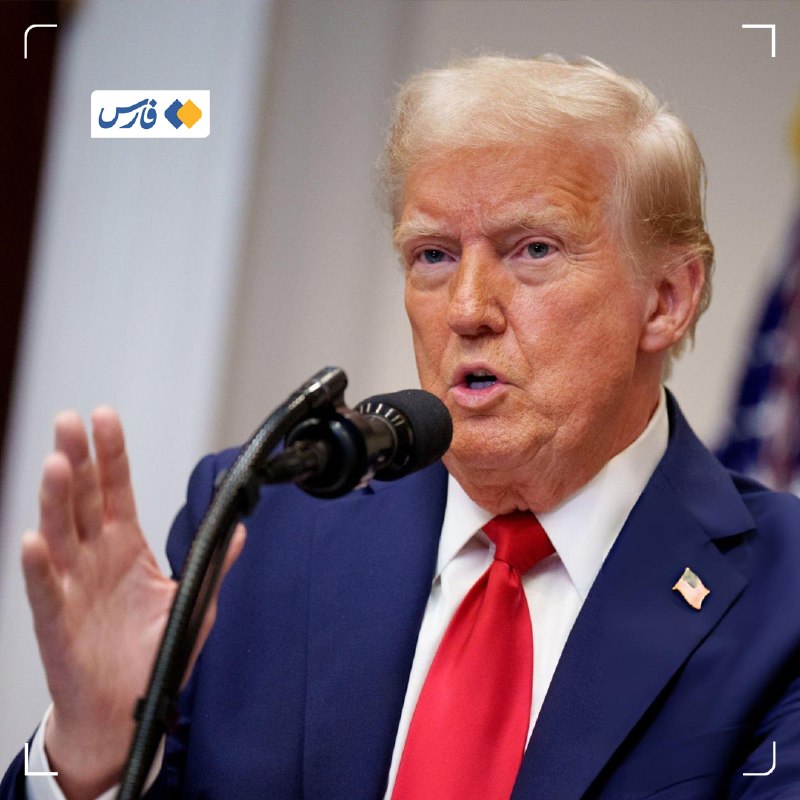
At 12:10 UTC on 19 July 2026, two Telegram channels that aggregate US political wire traffic, Open Source IntelNOW and, six minutes earlier, ClashReport, carried the same Trump statement: Republicans should add Iran to the Russia sanctions bill, the president said, because that is what Lindsey Graham wanted to do and "it was going to happen." The phrasing was emphatic enough that both channels marked the post with shouty punctuation and an "IMPORTANT" tag, a small editorial signal that the originating message had been treated as an announcement rather than a riff.
The significance sits less in any new Iran policy than in the procedural shape of the bill. By publicly folding Iran into legislation nominally written for Russia, the White House is asking Congress to treat the two sanctions regimes as a single vote. That is a wider net, fewer amendments, and a faster path to the president's desk. It also makes Iran policy hostage to whatever Russia-package coalition momentum happens to exist on the day of the floor vote.
What the statement actually says
The circulated text is brief and personal. Trump attributes the idea to Senator Lindsey Graham, a South Carolina Republican and one of the chamber's most prolific sanctions authors, and frames the inclusion as already decided. The use of "it was going to happen" reads as a directive aimed at wavering members rather than an analytical forecast: the president is signalling that a "no" vote on the combined package would be read as opposition to both Russia pressure and Iran pressure at once.
There is no detail in either Telegram post about which Iran sanctions authorities would be triggered, which entities would be newly designated, or whether the bill would invoke secondary sanctions on third-country buyers of Iranian crude. Open Source IntelNOW and ClashReport both reproduce the social-media wording; neither carries bill text, section numbers, or sponsor lists.
The Graham track, briefly
Graham has spent several Congresses attaching Iran provisions to must-pass vehicles, from defence authorisations to annual spending packages. Inserting Iran into a Russia sanctions bill is consistent with that pattern. The strategic case is straightforward: Iran remains a major oil exporter under sanctions, and any tightening of the Russia regime creates an opening to plug Iranian crude into the same enforcement perimeter without a standalone bill, which the Senate calendar has not always allowed.
The political case is also straightforward, and more candid. A Russia bill attracts bipartisan support that an Iran-only bill often does not. By tethering the two, the White House narrows the off-ramps for Democrats uncomfortable with Iran measures and for Republicans hesitant to add fresh sanctions during an active nuclear track.
Why the procedural move matters
Sanctions legislation rarely becomes law as written. It moves through committee mark-ups, floor amendments, and conference negotiations, each of which is an opportunity to strip or soften provisions. Bundling Iran into a Russia package reduces the number of those moments for any one member to peel off Iran language while keeping Russia language intact. The reverse is also true: Russia hawks who want Iran pressure can hold the larger package hostage over Iran amendments, and Iran-engagers have fewer clean vehicles to delay.
The framing also has a signalling function abroad. Tehran, Moscow, and third-country buyers of sanctioned crude all read American bills for what they suggest about enforcement appetite. A combined package signals appetite at the highest legislative priority. Whether that signal survives the conference committee and any White House signature statement is a separate question.
What remains unresolved
The two Telegram posts do not name a bill number, do not cite committee referral, and do not identify any Iranian or Russian entities newly in scope. They do not record a response from Graham's office, from Senate Foreign Relations Committee leadership, or from the Iranian foreign ministry. It is not clear from the available material whether the request is a formal ask of the Senate Republican conference, a message aimed at the House, or a social-media gesture intended to move the Overton window before formal text is filed.
For readers tracking the file, the operative dates are the next committee action on the underlying Russia bill and any reported draft text. Until those land, the 19 July statement is best read as a procedural preference announced in the loudest forum the president has, with the usual caveat that announcement is not enactment.
Desk note: Monexus framed this as a procedural-bundling story with an Iran dimension, not as a standalone Iran-sanctions scoop. Where wire outlets will lead with the sanctions substance once bill text surfaces, we are flagging the legislative architecture that determines what survives the conference committee.
Wire provenance
This editorial synthesis draws on the following public wire/social posts:
- https://t.me/osintlive
- https://t.me/ClashReport