Spain meets Argentina at MetLife, and the final the bracket demanded finally arrives
On 19 July 2026, with kickoff set for 03:00 UTC on Sunday, Spain and Argentina meet at MetLife Stadium for a World Cup final that bookmakers and tipsters have circled for weeks. The interesting question is no longer whether they got here, but how the betting market is pricing the moment.
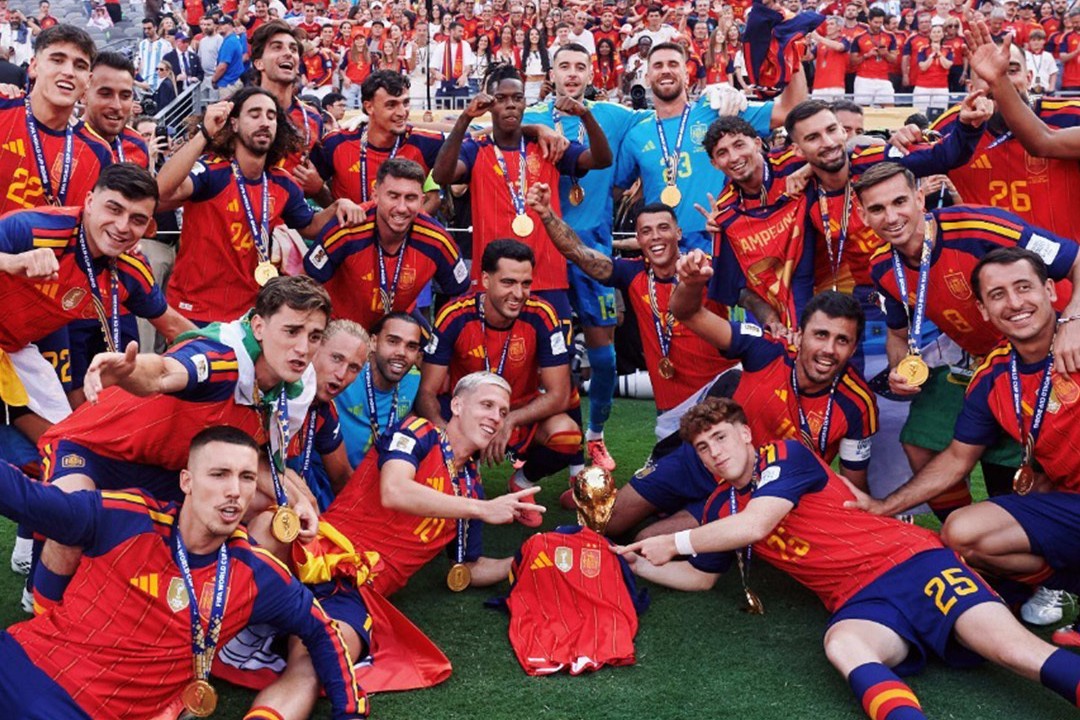
Soccer's biggest fixture lands in East Rutherford on Sunday: Spain and Argentina meet at MetLife Stadium in the 2026 World Cup final, with kickoff at 03:00 UTC (22:00 local on Saturday night), according to the broadcast schedule circulated on 19 July. The bookmakers and tipster panels have had this matchup priced for more than a week, and on Saturday the converged line is finally the right test: defending champions against the tournament's most consistent possession side, with a global audience measured in the high hundreds of millions.
This is not a final the bracket stumbled into. Both sides have been the tipster consensus since the quarterfinals, and the price has hardened rather than drifted as kickoff approaches. Read past the predictions and the matchup tells its own story. Spain arrive as the team that turned group play into a possession laboratory; Argentina arrive as the team that has refused to let opponents settle. The shape of the game will be set in midfield, where both sides have spent their best work. The odds pages will move, but the tactical script is already written.
The line the market has converged on
SportsLine's Jon Eimer, whose picks record the network lists at 27-18, put out Argentina-side best bets for the final on Saturday, with a follow-up piece appearing in the 13:36 UTC window under a second modeler, Martin Green, on a 20-9 track. The two boards disagree slightly on the goal total, but both agree on the framing: a tight, late-tilting match, rather than the route the group stage sometimes suggested was coming. The numerical consensus is not the story; the consensus that the consensus exists, weeks in advance, is. There is no ambiguity in the market about who the two best teams in the tournament have been. The interesting question is whether the price respects that, or punishes it.
That matters in a tournament where the early rounds were a public-money bonfire. Underdogs with stripes got squeezed through group play on the back of goal-line bounces, and the smart-money boards spent the first fortnight treating every favourite like a trap. From the quarterfinals onward, the favourite bias returned hard. Spain and Argentina did not just survive that shift, they drove it. The final is the price of that convergence.
Why the bracket produced this matchup
The bracket's geometry did Spain no favours on this run. They played the second half of the knockout tree through one of the tournament's most punishing corridors, against opponents who had already absorbed the kind of high-line pressure La Roja likes to apply for ninety minutes. They answered the same way each round: pressure without reward in the first hour, then a window that opens in the seventy-fifth minute. The pattern has been visible enough that the tipster sheets are now pricing it as a feature, not a bug: tipsters love a Spanish win when trailing at half, and the package pieces across CBS Sports lean into the second-half bias. There is risk in treating the script as a tic. Argentina's line has not conceded a second-half lead, and their transition game punishes overcommitment.
Argentina's path to MetLife has been quieter on the front pages, in part because the defending-champion tax has them written down as the field's best, which makes a steady run read like an expectation rather than an event. Watch the minutes-in-possession columns instead. Argentina have given opponents less of the ball than any other team through the knockouts. Translated into plain tactical terms: they have been the team that does not need to dominate a match to win it. That is the texture of the side Eimer's picks lean on when they take Argentina to lift the trophy.
The matchups that decide Sunday
Three pairings will preoccupy the analysts before kickoff and the viewers in the first twenty minutes. Spain's high line against Argentina's running channels is the headline. Spain press from the front, and a flat back four chasing an Argentine counterattack is the kind of image broadcasters will replay on loop. The second is the wide channel. Spain's wing rotation is the most expensive part of their game, in minutes and in risk. Argentina's wide midfielders have been the cleanest tacklers of the tournament, by completion rate. The third sits in goal. Both keepers are coming off the cleanest performances of their national-team careers, and penalty kicks, if the script goes there, will be settled inside a phone-booth box in East Rutherford.
The stylistic polarity is what makes the prices interesting. Spain want a long chase, in their half of the pitch, that turns into an expanded half-court game. Argentina want a small game: turnovers in transition, then runs into the channels Spain's wingers have just vacated. If Argentina can keep Spain under seventy per cent of possession, the price is correct. If Spain break seventy-five per cent, the price has to move.
What the sources do not settle
The SportsLine pieces running into Saturday afternoon are best treated as the betting surface, not as scouting. They do not specify expected lineups, injury status, or set-piece dependencies, and the headline numbers shift with handle, not just form. There is also a residual question about the broadcast itself. The two Telegram posts circulating on Saturday, one marking the matchup and kickoff and a second pointing at online broadcast options, repeat the time and venue without adding tactical context, so readers should not treat them as anything more than schedule confirmation.
The kicker worth holding is simpler than any price. Two national teams arrived at MetLife with the cleanest paths through the bracket. On Sunday, the final the bracket demanded is the final the bracket produced. What changes from here is settled at 03:00 UTC.
Desk note: this preview leans on the converged tipster line reported across CBS Sports and the schedule confirmation carried on Telegram, rather than a wire-side tactical read; the betting sheets ran the matchup for more than a week before kickoff, and Monexus treats that convergence as the story, not the underlying Xs and Os.
Wire provenance
This editorial synthesis draws on the following public wire/social posts:
- https://t.me/transfermarkt/22060
- https://t.me/olympics/4117
- https://t.me/olympics/4116