Netanyahu's World Cup shoutout, and the diplomatic choreography behind it
An Israeli prime minister publicly backing Argentina over its geopolitical rivals is not a sports story. It is a small, dated artefact of the ideological alignment Buenos Aires has chosen for 2026.
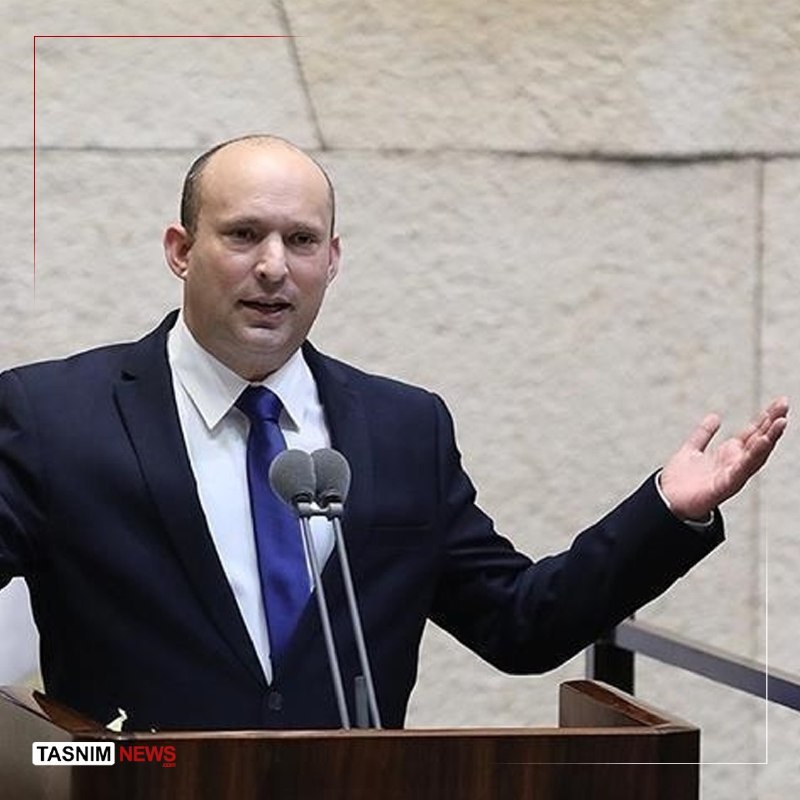
On 18 July 2026, Israeli Prime Minister Benjamin Netanyahu publicly said he is rooting for Argentina in the FIFA World Cup, according to a post on X by the political-markets account @unusual_whales. The remark landed on a Saturday night in Buenos Aires and Tel Aviv, hours before group-stage fixtures resumed across the United States, Canada and Mexico.
It reads as a sporting aside. It is not. The headline captures a small but telling artefact of the ideological alignment Buenos Aires has chosen for this tournament cycle, and of the diplomatic choreography that alignment now produces in real time on a global feed.
A coalition expressed in public
Argentina’s relationship with Israel has tightened materially since Javier Milei took office in December 2023. The shift predates this World Cup: Buenos Aires moved its embassy operations in Israel to Jerusalem, deepened security and intelligence ties, and built a working rapport between Milei and Netanyahu that has produced regular bilateral phone calls and joint statements on the Middle East. The prime minister’s World Cup endorsement slots directly into that pattern. The Israeli leader is signalling to an Argentine audience that the relationship is reciprocal, not transactional, and that the political friendship extends into spaces, sport, culture, fandom, where governments rarely insert themselves.
The framing is unusual because Argentina is not, on the pitch, an Israeli story. The Albiceleste are two-time defending world champions and a betting favourite in the United States’ venues. An endorsement from Jerusalem adds nothing to Lionel Scaloni’s tactical preparation. What it does add is a layer of soft-power signalling: that the alliance between the Milei government and the Netanyahu government has a popular-cultural register as well as a strategic one. For Argentine audiences, the endorsement functions as external validation of a foreign-policy posture their own opposition parties have spent the year criticising. For Israeli audiences, it positions Argentina as a Latin American outlier on Middle East alignments, one that openly, publicly courts Israeli affinity at the very moment most of the region has moved in a different direction.
What Argentina’s rivals hear
The counter-narrative is straightforward, and the reading is harder to dismiss than Buenos Aires or Jerusalem would like. Brazil, the regional hegemon and Argentina’s traditional sporting rival, is a different kind of partner for Israel than Argentina now is, but the diplomatic texture is different too. Under successive Workers’ Party governments, Brasilia kept relations functional but cool, and has, in the post-2023 period, been among the louder Latin American voices critical of the Israeli campaign in Gaza. Chile and Colombia have recalled ambassadors; Mexico has maintained a critical posture. In that landscape, Netanyahu’s public rooting is read by a great many Latin American observers not as a friendly gesture to Argentina the country but as a pointed absence of comparable gestures to its neighbours.
Two things follow. First, the Milei government’s diplomatic bets on Israel now have a sporting front-end: when Argentina wins, Milei wins twice, once as president and once as the regional leader willing to publicly identify. When Argentina loses, the loss is no longer neutral, it is a loss inside a geopolitics the opposition can name. Second, the gesture inserts Israel into Latin American domestic conversation at a moment when several Latin American electorates are actively reconsidering the terms of their Middle East alignments.
The structural frame, plainly
What the headline actually documents is the routinisation of ideological foreign policy in a year when global sport is the most-watched stage available. Soft alignments between governments increasingly express themselves in shared sporting fandom, shared pop-culture references, shared grievance literatures. The Milei-Netanyahu rapport is not a fluke of personal chemistry, although personal chemistry matters. It is a working alignment between a libertarian-populist government in the Southern Cone and a nationalist-coalition government in the Middle East, both of which have made the symbolic refusal of mainstream institutional consensus a brand. The World Cup is simply the venue that lets both governments perform that refusal in front of an audience measured in the hundreds of millions.
The story is also a media-framing story. Coverage of the Milei-Netanyahu relationship has tended to either flatter it (sympathetic profiles of an unlikely friendship) or pathologise it (analyst pieces about ideology overriding interests). The truth is more pedestrian and more durable: two governments have found that each is useful to the other, and have built habits of contact that survive the news cycle. A prime ministerial World Cup shoutout is what those habits look like when nothing else is happening.
Stakes, and what to watch next
For Argentina, the immediate stakes are domestic. The Peronist opposition has spent 2026 arguing that the Milei government’s foreign alignments have cost the country regional standing, and will use the Netanyahu endorsement as further evidence. For Israel, the stakes are diplomatic reach: every public gesture toward a Latin American leader who will visibly accept it is a small counter-weight to the broader regional drift. For the World Cup itself, the stakes are minor but not zero, the tournament has so far been a useful proving ground for politicians who want their foreign-policy preferences to reach audiences that do not read foreign-policy coverage.
What remains uncertain is whether this is a one-line story or a pattern line. The Milei government’s openness to Israeli affinity has been consistent; Netanyahu’s reciprocal gestures have been consistent. If the next round produces another public endorsement from Jerusalem, the file stops being an anecdote and becomes a documented feature of how both governments communicate. Argentina’s group-stage matches, and any knockout meeting with a regional rival, are the obvious next inflection points. Until then, the headline is the artefact: a prime minister, a national team, and a public alignment captured in a single post.
Wire provenance
This editorial synthesis draws on the following public wire/social posts:
- https://t.me/unusual_whales/18923
- https://en.wikipedia.org/wiki/Argentina%E2%80%93Israel_relations
- https://en.wikipedia.org/wiki/2026_FIFA_World_Cup
- https://en.wikipedia.org/wiki/Javier_Milei