Messi's last dance meets Spain's defensive wall in a World Cup final built for two eras
Two captains, two generations and one trophy: Argentina and Spain meet in the 2026 final with Lionel Messi chasing one last title and Rodri marshalling the statistically meanest defence the tournament has seen.
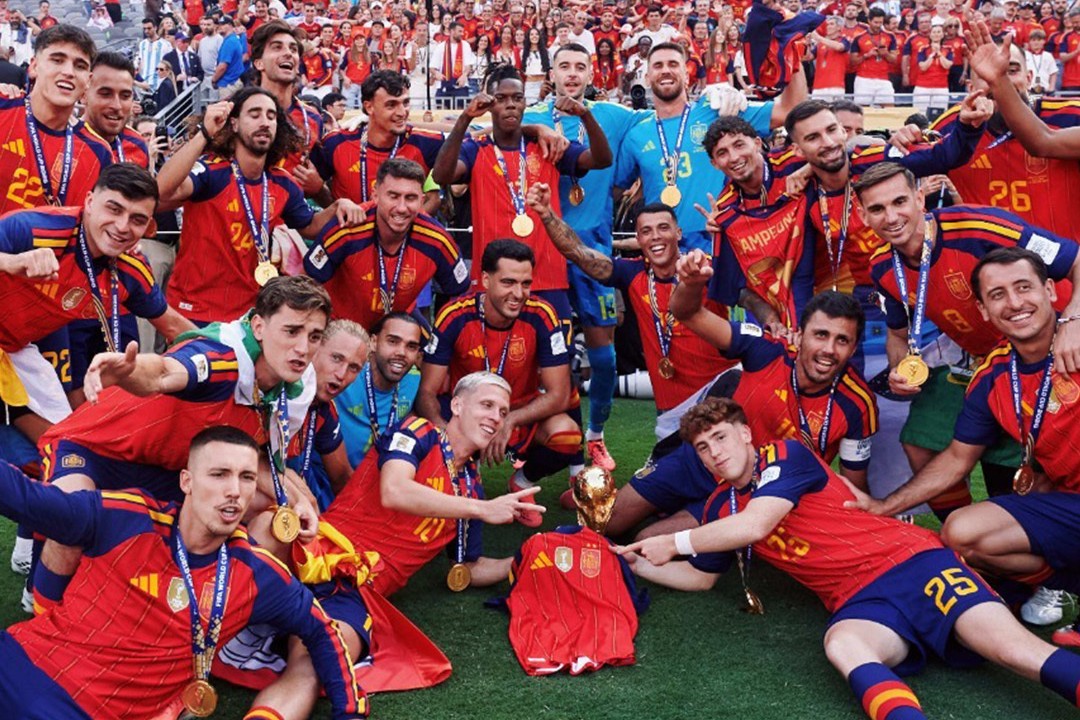
At 10:50 UTC on Sunday, 19 July 2026, Lionel Messi walks out for the 32nd World Cup match of his career. The opposition is Spain, the captain across the halfway line is Rodri, and the 18-year-old on Spain's right wing is Lamine Yamal. One trophy. Two readings of what the modern game is supposed to look like.
The 2026 World Cup final is sold, in the American sports pages, as a referendum on Messi's farewell. That is true enough to be useful, and misleading enough to be worth saying out loud. Argentina are not in the final because of nostalgia. Spain are not in it on the strength of one teenage winger. The match will be settled by a structural collision that the tournament's run-up has been hiding in plain sight.
What Spain's defensive record actually says
Spain arrive in the final carrying what CBS Sports calls the chance to become the "statistically greatest defensive team in World Cup history," should they record one more shutout against Argentina. Rodri captains a side that has organised the middle third with a discipline rare even by Spanish standards. The defensive platform is not a scheme; it is an identity.
The temptation is to read that identity as cold, possession-dominant Spain; the reality is more austere. This is a side that has absorbed pressure, conceded territory, and trusted its shape to do the talking. Argentina's route to the final has been built on the opposite instinct: vertical, transitional, willing to be ragged if the counter lands.
In practical terms, Spain's back line has spent most of this tournament inside their own half. That is the price of pressing less and controlling more. Against an Argentina team that punishes hesitation, the question becomes whether Spain's rest-defence can hold up in transition, not whether Argentina can break a low block.
The Messi variable, and its limits
Messi has carried Argentina through the knockout rounds the way he has carried them for two decades: by collapsing defences onto his gravity. The BBC's framing of Sunday's match as a test of whether this is "Messi's last World Cup game" is honest reporting and useful framing. The other half of the truth is that Argentina's squad around him is the deepest he has had at a World Cup since 2022.
That matters because the Lamine Yamal subplot, aired by BBC Sport under the angle of "legend or regrets," is really a question about support cast. If Yamal produces the moment that defines the final, Spain win regardless of the broader narrative. If Messi produces it, he joins a very short list of players to decide two finals.
The age gap between the two is unusual even by tournament standards. A result for Yamal writes the future; a result for Messi closes the past. Both can be true in the same ninety minutes.
The counter-narrative the American wires won't print
American preview coverage has tended to lean into the Spain-as-underdog framing, partly because the betting public has installed Argentina as favourites on FanDuel, partly because a Messi farewell sells better than a Rodri coronation. That framing understates Spain.
The counter-read, visible in BBC's reporting and in the tone of the Spanish press, is that Spain have been the most consistent team in the tournament and that the final is their tournament to lose. Argentina have scraped through tight games; Spain have organised them.
The non-American case rests on a simple fact: clean sheets compound. A defence that does not concede forces the opposition to be perfect. Argentina have rarely been perfect at this World Cup. Spain have been close.
Stakes, beyond the trophy
For Messi, the stakes are biographical. A second consecutive World Cup title would be unprecedented in the modern era and would place him beyond argument as the greatest international footballer in the history of the competition. A defeat returns him to the long list of immortals who lost a final.
For Yamal, a win writes a first chapter; a loss writes a scar he can outrun later. For Rodri, the captaincy is a coronation that has been quietly deferred for two seasons. For Argentina, the match tests whether the squad can survive the post-Messi transition. For Spain, it tests whether a generation of possession players can win the kind of ugly final that possession football usually loses.
A second consecutive title for Messi would reset the conversation about international football's GOAT in the way no individual award can. A Spain win would ratify the structural argument that has defined their tournament: that control, not spectacle, wins championships.
This publication framed Sunday's match as a structural test of two footballing philosophies, not as a farewell tour. The American wires emphasised narrative; the BBC emphasised the side without the ball. Both framings capture something real, and only the ninety minutes will settle which one held.