Alarms in Manama: what the Bahrain interior ministry is signalling, and what it isn't
Two Iranian state-linked wires reported sirens and explosions across Bahrain within minutes of each other on 19 July 2026. The Gulf kingdom's own account, and the silence from regional wires, tells a different story.
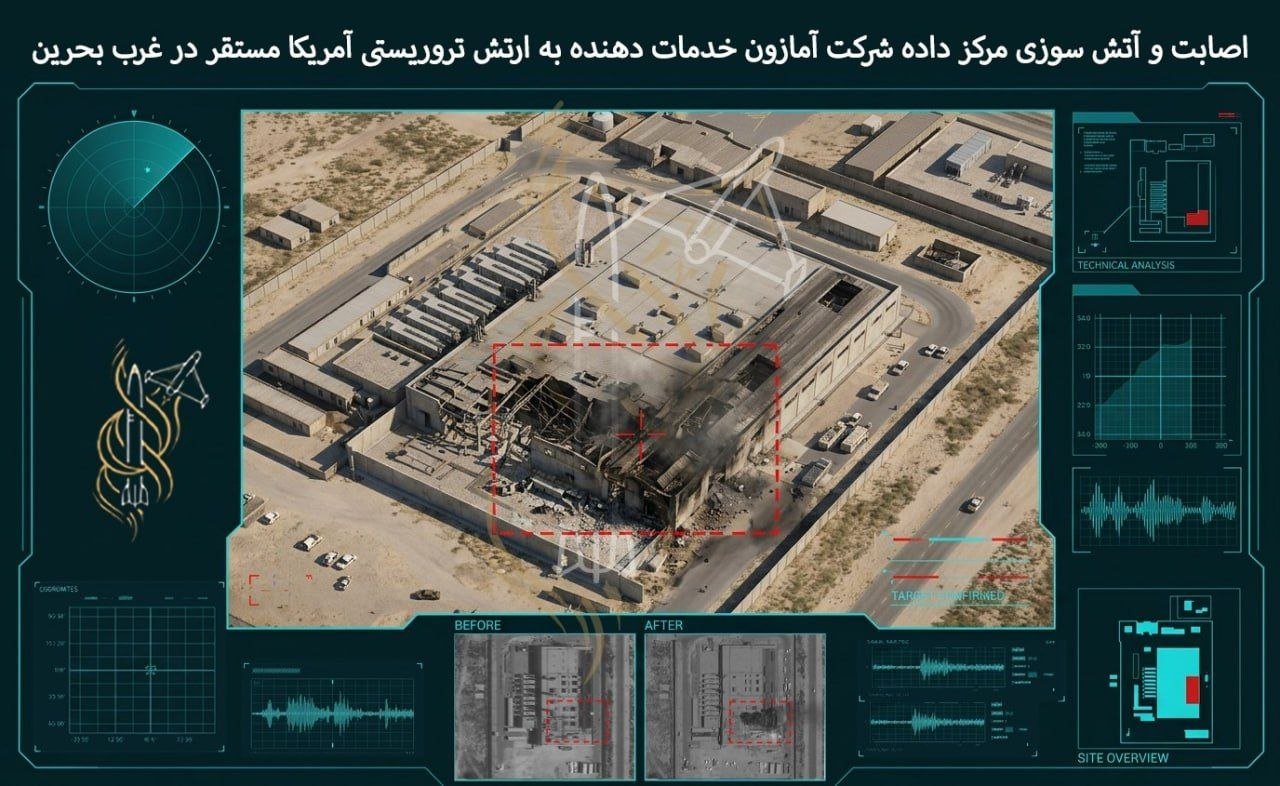
At 21:08 UTC on 19 July 2026, Iran's Tasnim News Agency reported that the sound of explosions had been heard in Bahrain. Three minutes later, the same outlet said the kingdom's Ministry of Interior had confirmed the activation of an alarm. By 21:17 UTC, Fars News had added that the interior ministry was "sounding alarm bells across the country."
Within a nine-minute window, two Iranian state-linked wires had framed an event inside the small Gulf monarchy as something close to a national emergency. The framing is worth taking seriously, and so are the reasons to treat it with caution. Bahrain hosts the US Navy's Fifth Fleet and the British Royal Navy's maritime hub HMS Juffair; Manama sits roughly 180 kilometres across the Gulf from the Iranian coast. A real activation of the kingdom's civil-defence sirens would carry immediate operational and diplomatic weight in Washington, Riyadh and London.
What the Iranian wires actually said
The reporting from Tasnim is granular but short. The first item, timestamped 21:08 UTC on 19 July 2026, states only that the sound of explosions was heard in Bahrain. The follow-up at 21:11 UTC adds that the Ministry of Interior confirmed the activation of an alarm. Fars, the other Iranian state outlet in the chain, repeats the interior-ministry claim at 21:17 UTC and frames the development as "sounding alarm bells across the country."
None of the three items specifies a cause. None names a location within Bahrain where the explosions were heard, gives a casualty figure, or attributes the alarm to a particular threat. The chain reads less like a wire report and more like a sequence of escalating social-media bulletins, with each iteration louder than the last. That is itself a fact about the information environment around the Gulf.
What Bahrain itself has said, and what it hasn't
As of the timestamps in the source material, no Bahraini government press release, no statement from the Bahrain News Agency, and no comment from the Fifth Fleet or the US embassy in Manama appears in the reporting. The activation of the alarm is presented in the Iranian wires as a Bahraini confirmation, but the originating Bahraini document is not cited. The kingdom has been targets of past Iranian criticism over its hosting of Western naval assets and its participation in the Saudi-led coalition in Yemen; it is also a state with tight control over its own information space, where civil-defence alerts, when genuine, are normally routed through the Bahrain News Agency rather than via Tehran.
The asymmetry is the story. Two Iranian outlets have set the headline. The Bahraini side has not, at least not in the materials available. A reader looking for a second source finds silence instead.
Why Iran-aligned wires might frame it this way
The pattern fits a familiar information tactic. When sirens go off, or are reported to go off, on the Arab side of the Gulf, Iranian outlets move quickly to define the frame: that a hostile event occurred, that a friendly Arab state is in distress, and that the United States and its regional partners failed to prevent it. The reporting rarely needs to specify the cause at the first bulletin; the ambiguity is the asset. It lets the story circulate for hours as an open question while Tehran-aligned commentators seed their preferred interpretation.
There is a structural reason for this, too. Gulf security is mediated through platforms. Civilians learn of alerts in part through state-aligned television, Twitter/X feeds and Telegram channels. When the loudest voices in those channels happen to be Iranian, the early frame tends to harden before local Bahraini, Saudi or Emirati outlets can publish a corrective. The Western wires (Reuters, AP, AFP, BBC) have not, in the source material provided, weighed in yet. The vacuum is itself a beat.
What we don't know, and what to watch
The sources do not specify whether the alarm was a routine civil-defence test, an isolated incident at a specific installation in Manama, or a wider event affecting Bahraini territory. They do not name a perpetrator, a weapon, or a casualty count. They do not show the Bahraini interior ministry's actual statement. Until Bahrain News Agency, a Gulf neighbour, or a Western wire confirms or contradicts the sequence, the responsible read is that an alarm was activated in Bahrain at some point in the 21:00–21:17 UTC window on 19 July 2026, and that two Iranian state-linked outlets reported it, with framing that outpaced confirmation.
The dates to watch are the next twelve hours. A Bahrain News Agency release, a US Fifth Fleet statement, or a Saudi or Emirati readout would settle the question. An escalation in Tehran's official rhetoric, or a second wave of Iranian bulletins placing blame on a named actor, would confirm the framing game. Right now, the loudest signal in the room is coming from across the Gulf, not from Manama itself.
Desk note: Monexus treats Iranian state-aligned wires (Tasnim, Fars) as legitimate primary sources on events inside Iran and as reporting on the Gulf, with explicit sourcing caveats. Where the Bahraini side is silent in the available material, the article records that silence rather than imputing facts.
Wire provenance
This editorial synthesis draws on the following public wire/social posts:
- https://t.me/Tasnimnews_en
- https://t.me/Tasnimnews_en
- https://t.me/FarsNewsInt
- https://en.wikipedia.org/wiki/Manama