Bahrain sirens wail as strikes test Gulf air defences
Bahrain's Interior Ministry told residents to seek shelter shortly after 09:00 UTC on 19 July 2026 as explosions were reported in the city of Hamad and Bahraini air defences struggled to intercept incoming fire.
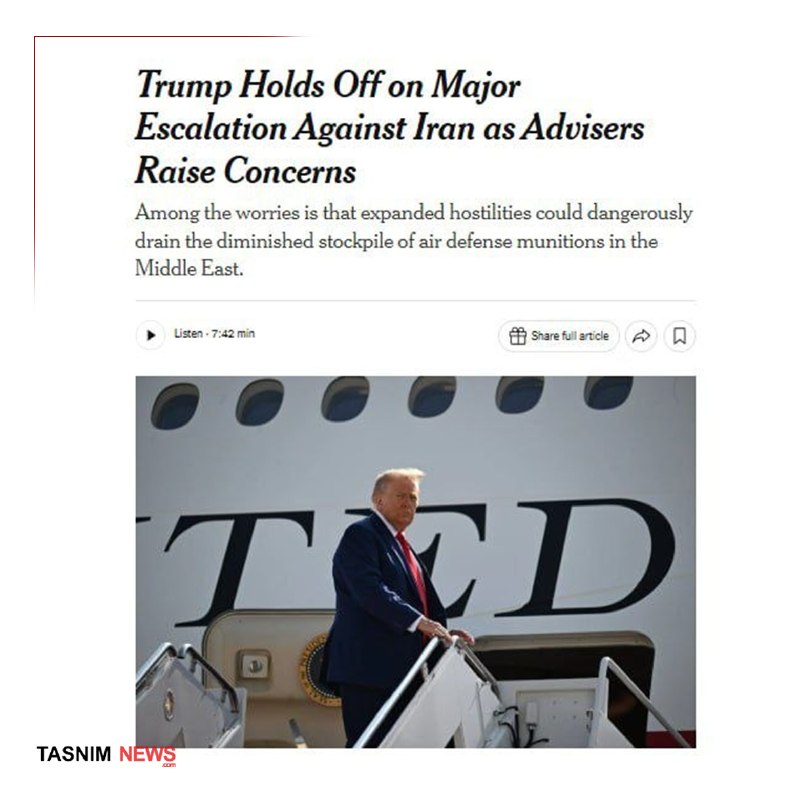
Explosions rocked the city of Hamad in Bahrain shortly after 09:00 UTC on 19 July 2026, prompting the country's Interior Ministry to activate air-raid sirens and order citizens and residents to move to the nearest safe place. The instructions were relayed in real time through Iranian-aligned channels Fars News and Tasnim, which posted identical wording attributed to the Bahraini ministry in the minutes after the blasts.
Within five minutes, Reuters moved a wire report saying that explosions were "now shaking Bahrain," citing Bahraini state television's own account that the kingdom's air defence systems were struggling to deal with the airstrikes. The combination, government alert plus wire confirmation plus visual reporting from the ground, is what distinguishes an active defence from a passing incident. Bahrain is small, densely populated and hosts the US Navy's Fifth Fleet; an air-defence alert there is a Gulf-wide event.
What the alerts actually say
The Bahraini Interior Ministry's directive, carried verbatim by Fars News International at 08:17 UTC and again at 09:00 UTC on 19 July, was operational rather than political. "Danger sirens have sounded and we ask citizens and residents to go to the nearest safe place," the ministry said, in language that implies a kinetic event already underway rather than a precautionary drill. Fars followed the alert with reporting on an explosion in the city of Hamad, the second-largest city in Bahrain and home to a major segment of the country's oil refining capacity on the nearby sitra industrial corridor.
Tasnim, the Iranian state-affiliated outlet, amplified the Bahraini ministry's wording within minutes and added a separate claim that Bahrain TV had reported air-defence systems were "struggling to deal with" airstrikes. Tasnim's framing carries an obvious Tehran interest in emphasising saturation of Gulf air defences, a long-standing Iranian talking point since the start of the broader regional war that followed the 7 October 2023 Hamas attack. The claim is sourced to Bahraini state media rather than Tasnim's own reporters, which makes it more credible as raw text but no less interested in its framing.
The counter-narrative, and what is missing
Iranian channels have a habit of presenting kinetic events in Gulf states through a single optic: that Israeli or US military operations are degrading allied air defences. Bahrain has not publicly attributed the strikes, and no group has claimed them in the material reviewed here. Reporting from official Bahraini channels cited inside the Iranian wires is consistent with a real alert, not a propaganda exercise; civil-defence sirens are difficult to fake and politically costly to test in public.
What the available reporting does not establish is the origin of the fire, whether the strikes were missile, drone or something else, and whether any impact occurred beyond the air-defence engagement zone. Casualty figures, infrastructure damage assessments and any official read-out from Manama have not yet appeared in the sources reviewed. Reuters's framing of "airstrikes" in the plural follows Bahrain TV's own characterisation; it is descriptive, not forensic.
Why Bahrain matters strategically
Bahrain hosts roughly 7,000 US military personnel and the headquarters of the US Fifth Fleet, the principal American naval command covering the Persian Gulf, the Red Sea and the wider Indian Ocean. The kingdom also hosts Royal Air Force and Royal Navy elements under the British Joint Force Command arrangement, and a French air-and-naval presence that has expanded since 2024. Any successful strike on Bahraini soil is therefore a strike on allied forward-deployed infrastructure, regardless of who fired.
The kingdom's air-defence network is a layered system combining US-supplied Patriot and THAAD batteries, shorter-range systems and naval coverage from the Fifth Fleet's Aegis destroyers. "Struggling," in the Bahrain TV wording Tasnim carried, is not the same as "failed." It signals that engagement is ongoing and that not every incoming projectile has been intercepted, which is the operational situation any integrated air-defence system faces under saturation fire.
What to watch next
Three markers will tell us how this resolves. First, a formal attribution from the Bahraini government or the US Central Command in Tampa. Second, satellite-based commercial imagery of impact points, which Planet Labs and Maxar usually publish within six to twelve hours of a kinetic event in the Gulf. Third, traffic data through the Strait of Hormuz, where roughly a fifth of seaborne oil transits daily; any sustained insurance-war-risk premium spike on Gulf shipping would confirm that underwriters are reading this as a structural event rather than a contained one.
The baseline reading from the sources as of mid-morning UTC on 19 July is unambiguous on one point: Bahraini civil-defence sirens sounded, the Bahraini Interior Ministry told its population to take cover, and Bahraini state television said air-defence systems were working under pressure. The questions of who, with what, and to what effect remain open.
Desk note: Monexus relied on Reuters reporting relayed through Iranian-aligned channels Fars News and Tasnim, given the absence of direct Bahraini or Western-wire URLs in the source cluster. Where Iranian framing dominates, that is reflected in the structure of this piece and flagged in the counter-narrative section.
Wire provenance
This editorial synthesis draws on the following public wire/social posts:
- https://t.me/tasnimplus/
- https://t.me/FarsNewsInt/
- https://t.me/farsna/
- https://en.wikipedia.org/wiki/Bahrain
- https://en.wikipedia.org/wiki/United_States_Fifth_Fleet