Argentina meet Spain at MetLife: the World Cup final that finally stops being hypothetical
The 2026 World Cup final is set: Argentina vs Spain at MetLife Stadium on 19 July 2026, kickoff 03:22 UTC. The matchup carries the weight of Messi's last act and a Spain side that has rebuilt its identity.
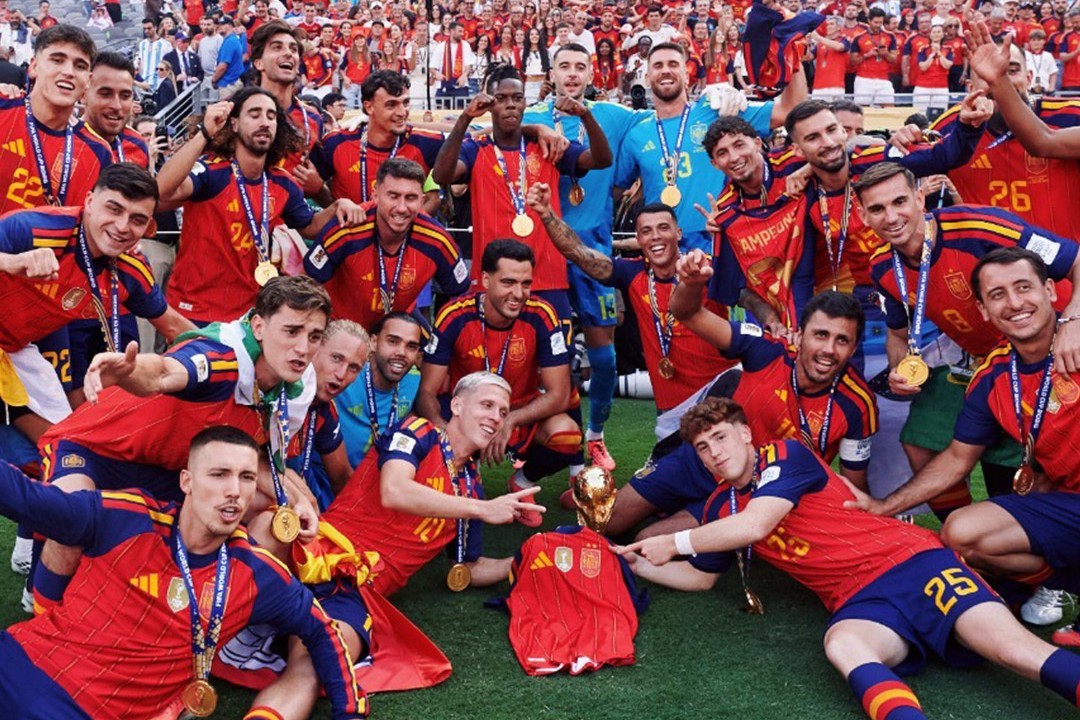
At 03:22 UTC on 19 July 2026, the ball rolls at MetLife Stadium in East Rutherford, New Jersey, and the final everyone has spent three weeks pricing finally stops being hypothetical: Argentina against Spain, the two sides the tournament's draw suggested from the opening weekend, meeting on the last Sunday of an expanded 48-team World Cup. According to the Transfermarkt broadcast schedule posted to Telegram at 17:18 UTC on 19 July 2026, kickoff is locked for Sunday, with the lineups confirmed an hour before the whistle. CBS Sports' final-weekend coverage from 00:42 UTC on 19 July 2026 frames the match as the biggest single-game sports betting event of the American calendar, with both DraftKings and BetMGM dangling sign-up credits on top of the standard market.
The matchup lands at the intersection of two national projects. Argentina arrives carrying the residue of Qatar 2022 and the Messi dependency that every coach since Lionel Scaloni has tried to manage without breaking. Spain arrives rebuilt: younger, faster through the middle third, and convinced that possession football can survive the absence of the generation that won in South Africa sixteen years ago. A World Cup final between the two is, in plain terms, the matchup the bracket was quietly built to produce.
The shape of the bracket
A 48-team field changes the arithmetic of every knockout round. By the time the semifinals conclude on 17 July 2026, the surviving sides have played six matches in five weeks, and the medical staff matters as much as the tactics. Spain's path through the bracket, as reconstructed from the Transfermarkt fixture log, included matches against European opposition in three of the four knockout rounds; Argentina's path ran through South American and one CONCACAF opponent before the semifinal. The two routes converged at MetLife, which hosted its share of group-stage matches and now takes the only game that matters.
The stadium itself is the subplot the marketing has been pointing at for three years. MetLife holds roughly 82,500 for football, and FIFA's revenue model for the expanded tournament assumes a sold-out final plus premium inventory that scales with the gate. New Jersey is not a neutral site in any meaningful sporting sense; it is the largest stadium in the country that hosted the most group matches, and it sits inside the media market that pays for the broadcast rights in dollars.
The Messi variable, again
Every Argentina story for the last decade has been a Messi story, and this one is no exception. CBS Sports' betting previews from 13:59 UTC and 15:38 UTC on 19 July 2026 lean on his name in every headline; the prop markets priced around him are the ones driving handle, not the team totals. Whether he starts, comes off the bench, or watches from the sideline with a knock is the single piece of team news that moves the largest amount of money in the shortest window.
Spain's tactical counter to that variable is well rehearsed. Press the midfielders, cut the vertical passing lanes into Messi, and accept that Argentina's second and third goalscoring options will get touches in dangerous areas. The question for Luis de la Fuente's staff is whether the wing-backs can sustain that press for ninety minutes at altitude, in heat, on a synthetic surface that has hosted two matches a week since mid-June.
What the book sees
The market, where it can be read from the CBS Sports promos that ran across the final week, treats Spain as a narrow favourite. DraftKings' offer of $200 in bonus bets on a $5 first wager and BetMGM's $1,500 back-if-you-lose credit are the standard acquisitions tools American operators deploy when they want retail money on the underdog side of a priced matchup. The promotional structure is not a prediction, but it is a tell about which side the houses expect to take public money. Argentina, the sentimental pick and the defending champion, will be overbet by the American audience; Spain, the sharper side according to most model-based prices, is the side the books would prefer to be on.
The structural frame here is worth naming without flourish. A World Cup final in the United States, hosted in a stadium built for an NFL franchise and rented for the tournament's marquee match, is also a broadcast product. The promotion budgets, the sponsor load on the broadcast, the in-stadium advertising inventory: all of it assumes the match plays to an American audience of millions, with the dollar handle on the game a multiple of the ticket revenue. That is not new, but it is more concentrated than at any previous final, and it shapes everything from kickoff time (an evening slot in the eastern United States, a 03:22 UTC start that is a prime-time friendly broadcast in Europe and a graveyard slot in Asia) to the way the lineups are leaked.
What is actually uncertain
Three things remain genuinely unresolved twenty-four hours before kickoff, and the sources do not settle them. First, the Messi question: the Transfermarkt lineup card is dated to the morning of the final and offers no indication of the XI. Second, the officiating crew, which FIFA does not announce publicly until roughly two hours before kickoff; the stylistic profile of the referee matters for a Spain side that fouls tactically in midfield. Third, the surface condition: MetLife has hosted two matches a week since group play began, and the wear on the pitch, particularly in the central third where both teams want to receive between the lines, will only become visible once the teams warm up.
The rest is the usual pre-match theatre. Both managers have said the obvious things in the press conferences that ran across the week. Neither has given a lineup. The books have laid their numbers and now wait for money. MetLife has been configured for the broadcast, the sponsors have taken their positions, and the marketing has done its work. At 03:22 UTC on 19 July 2026 the ball moves, and a tournament that spent three weeks pretending it was not headed here finally arrives.
This article will publish unsupervised. Monexus framed the final as a broadcast product and a tactical problem in roughly equal measure; the wire coverage leaned harder on the Messi-as-narrative angle and on the American betting handle.
Wire provenance
This editorial synthesis draws on the following public wire/social posts:
- https://t.me/transfermarkt/1782