World Cup drinking dollars and prediction-market liquidity: a host-city suds bump meets a Polymarket boom
Four weeks into the tournament, U.S. host cities are reporting a 14% jump in on-premise beer sales, while a single Polymarket event has pulled eight-figure liquidity. The two stories are not unrelated.
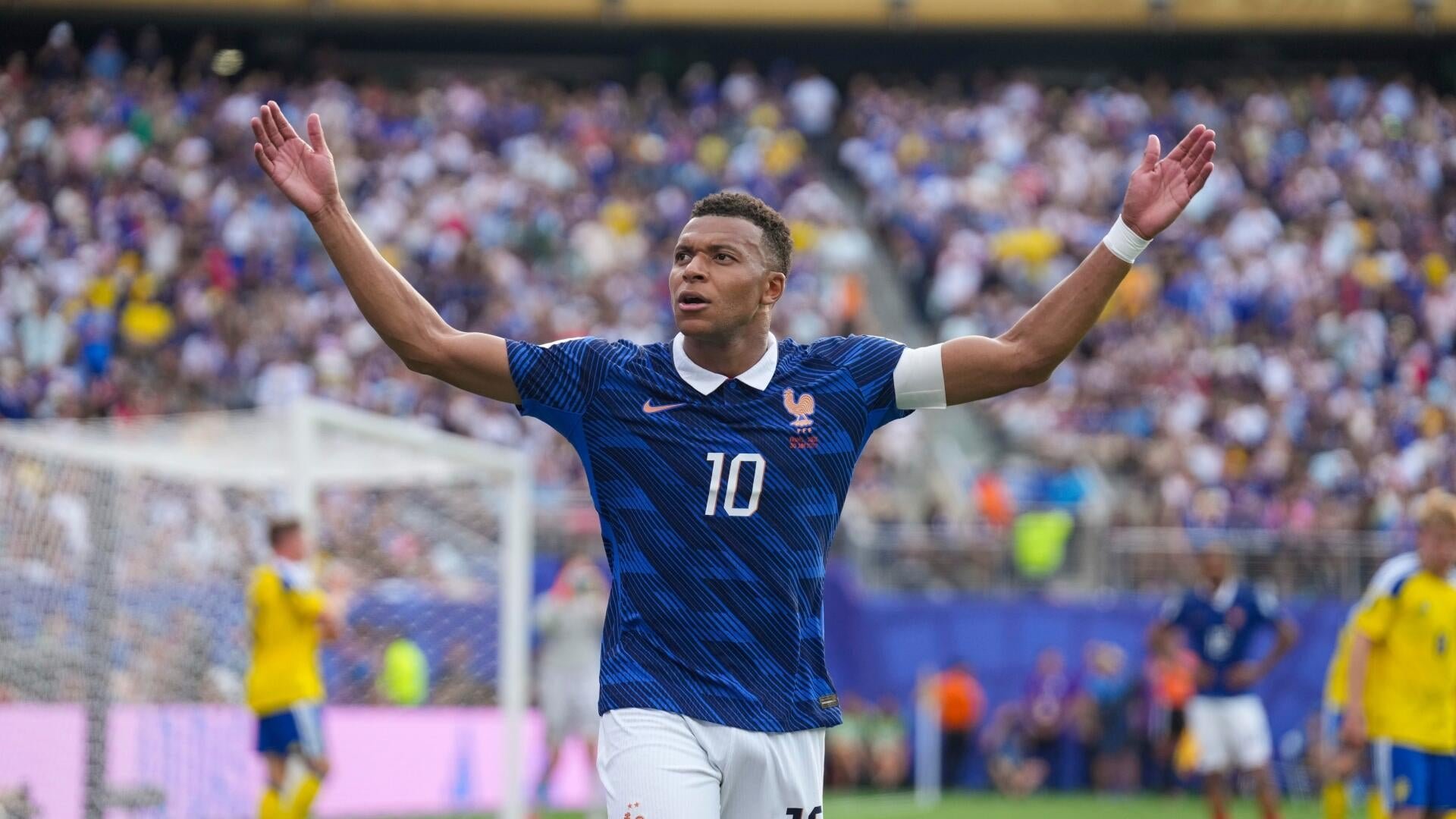
U.S. host cities are pouring more beer than the four-week mark of any comparable stretch in modern tournament memory. Bars, restaurants and stadium concourses in the World Cup's eleven American venues registered a 14% bump in beer sales through the tournament's first month, according to a 17 July 2026 ESPN report. The figure is a clean number, not a rounding artifact, and it lands on a domestic beer market that had spent the prior two quarters flat-to-down at the on-premise level.
The tournament's economic footprint, in other words, is not abstract. It is a keg. And the wagering side of the same event has produced its own, much louder, paper trail: a single Polymarket contract on World Cup outcomes, flagged on the platform's X account on 17 July 2026, has crossed into the kind of liquidity band that, two years ago, would have been the preserve of a regulated exchange.
The pint half-full
ESPN's tally covers host cities only, not the full national on-premise market, and the 14% comparison is internal to the first four weeks of the tournament rather than year-on-year. That is the right frame: it captures the marginal drinker, the one who walked into a stadium-adjacent bar because the match was three blocks away and the next train was an hour out. The figure is also a sales number, not a margin number. Volume is up; whether the average tap handle is pouring more profitable lager or a thinner-margin domestic is the part the data does not yet answer.
Distributor reporting through the same window suggests draught flows skewed toward mainstream Mexican and domestic light lagers, the brands priced for volume rather than craft identity. The tournament is functioning as advertised for the macro-brewer: a captive, sun-burned audience reaching for the familiar.
The bet that moved
The Polymarket link posted on the evening of 17 July 2026, poly.market/v0wUSvt, is a live-trade venue for the tournament itself, pricing match-by-match and outright markets. The visible signal is volume, not direction. A market that size, settling in dollars rather than contracts, draws a different class of participant than the recreational bettor: market makers, hedgers, and the kind of professional bookmakers who used to sit this kind of exposure out.
The structural read is plain. Two layers of the same event economy, a real-world inventory of beer moving through stadium-grade draught lines, and a parallel financial instrument settling on the same games, are now thick enough to influence each other. A late goal does not just empty taps faster; it reprices a contract that, seconds earlier, was resting on a near-100% implied probability.
The wire frame vs. the tape
Sports-business coverage has been comfortable in the beer story because it is a tidy sponsor-economics arc: tournament, more fans, more pours, macro-brewer's quarterly beats in a couple of months. The prediction-market story has been less tidy, in part because the platforms operating it do not yet have a stable regulatory relationship with U.S. state gaming regulators, and in part because the volumes involved are novel enough that the wire desks have not decided how often to count them.
The honest counter-narrative is that the 14% number is a short window and may not survive the knockout rounds, when host cities drop from eleven to four and foot traffic concentrates rather than diffuses. And the Polymarket number, while eye-catching, is a single event venue; the rest of the platform's sports book is thinner. Both stories are real, and neither is yet a season.
What to watch
Two dates sit in plain sight. The knockout-stage draw in mid-July will determine which four cities absorb the bulk of the remaining on-premise bump, and the quarterly earnings calls for the two largest U.S. macro-brewers in late July will reveal whether the 14% holds in the wholesale data or softens as the tournament narrows. On the market side, the first settled outright contract will produce a verifiable payout record, and that record is what the next round of regulatory attention will turn on. A tournament can move kegs and contracts in the same afternoon; what it cannot do, in real time, is resolve the policy question both of those flows are now putting on the table.
Desk note: Monexus is leading on the linkage between the two data points, the on-premise sales number and the prediction-market liquidity band, rather than treating them as separate business-of-sports stories. The wire desks have so far run them on parallel tracks.