Tuchel’s possession problem lands England in a bronze-medal shootout with France
Hours before England meet France in the World Cup third-place playoff in Doha, Thomas Tuchel’s public insistence that ball possession is not in the squad’s DNA has hardened into the defining story of a campaign that ends with a consolation kickabout.
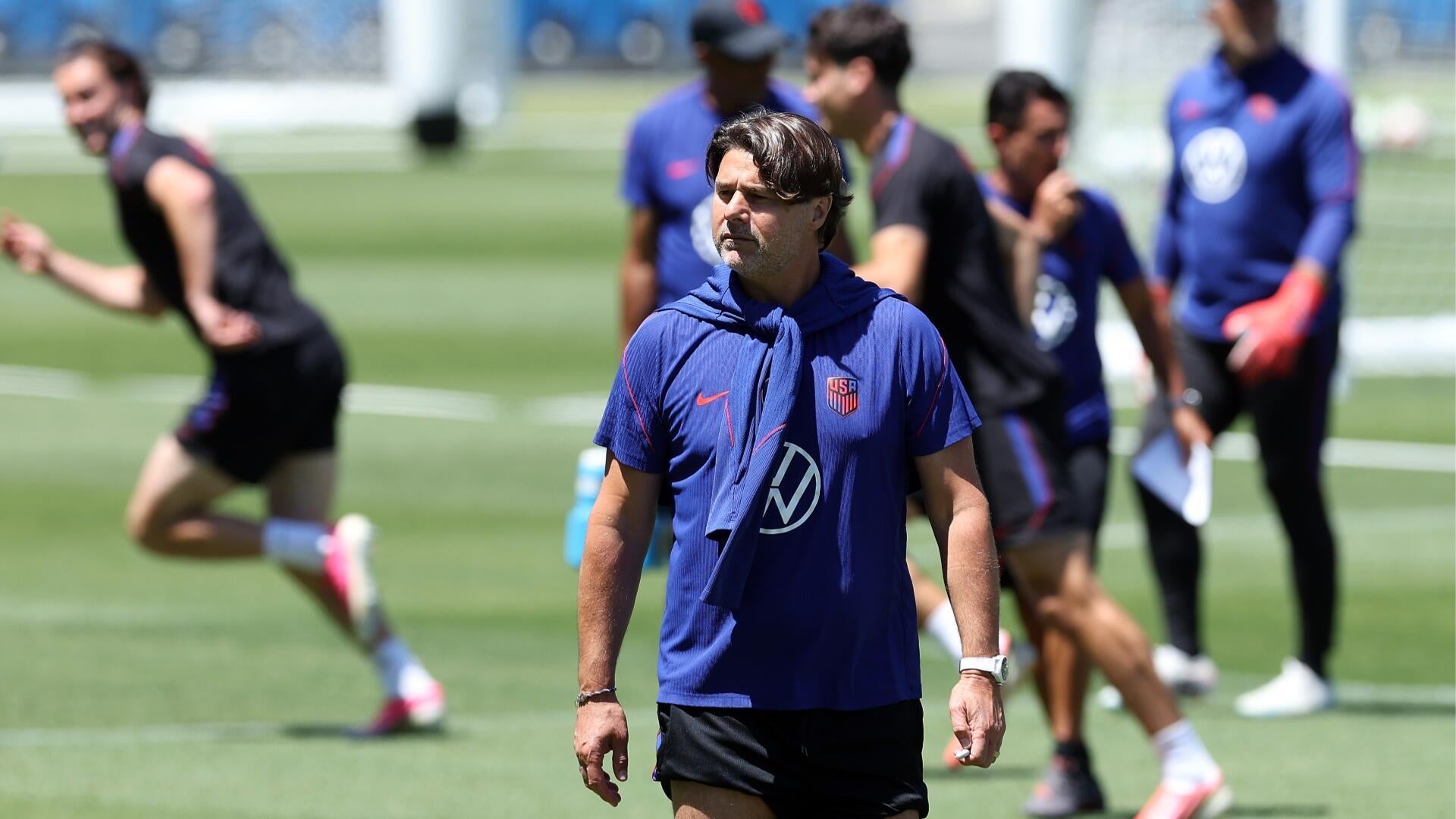
The World Cup third-place playoff kicks off in Qatar on 18 July 2026 at 17:00 EDT, and the match sheet already reads more like a manifesto than a programme: France v England, kick-off in Doha, live coverage from 22:00 BST, with the Guardian’s liveblog tracking the line-ups in real time. By the time the two teams walk out, the loudest argument in the stadium will not be about France’s attack or England’s midfield, but about a phrase Thomas Tuchel volunteered in midweek: that ball possession is not in his squad’s DNA. The remark, defended rather than softened in his subsequent media appearances, has hardened into the framing device of England’s tournament. It is also, for those who watched the semi-final, a hostage-to-fortune the head coach handed himself.
England arrive at the bronze-medal match the way most sides do at this stage of a World Cup: wounded, undercooked, and asked by the fixture list to play one more meaningful ninety minutes than their legs want to give. The Guardian liveblog from 19:15 UTC records players as "puzzled" by a tactical posture that has cost them possession, territory and, ultimately, a place in the final. Tuchel has not apologised. He has doubled down. That posture is the story, because it tells us what the next four years of his reign will look like whether or not he keeps the job past this evening in Doha.
A coach who picked the fight
Tuchel’s "possession is not in our DNA" line was not a stray remark. It came in the middle of a press cycle in which he was already being asked why a squad built around Premier League technicians were asked to play a more direct, vertical style. His answer was to elevate the preference into a principle. Jonathan Liew, writing in the Guardian on 18 July, called the framing "an opinion that should disqualify him from the job," arguing that the England head coach is paid, precisely, to make possession be in the team’s DNA. The argument lands because the squad selection contradicts the rhetoric. England’s starting elevens in this tournament have been built around players who earn their living at club level on the ball: full-backs who invert, a six who can receive between the lines, and wide forwards who come inside to combine. Telling that group to give the ball back quickly is not a tactical identity. It is a refusal to coach the team in front of him.
Liew went further, accusing Tuchel of "cowardice" for treating the dispute as a referendum on the English game rather than on his own preferences. That word does a lot of work. What the evidence supports is something narrower and more damaging: a head coach who, faced with a squad capable of one style of football, has insisted on another and then blamed the players when the result did not follow.
What the players are saying, and not saying
The Guardian liveblog notes that senior members of the squad are "puzzled" by the instruction set, but it stops short of putting direct quotes on the record. That restraint matters. Players at this stage of a World Cup campaign rarely say publicly what they tell reporters in mixed zones off-camera, and dressing-room temperature is best read through selection and substitution patterns rather than through press conferences. What the liveblog does record is the basic pattern: England give the ball away cheaply in central areas, opponents transition through the channels vacated by the press, and Tuchel’s answers at full-time describe the performance as a matter of character rather than scheme.
It is a particular kind of public silence that English football has seen before. When the players stop defending the project in public, the project is usually already gone.
The counter-read
There is a version of the argument that runs the other way. England have, for twenty years, lost the big matches in which they tried to out-possess technically superior opposition. The 2010 World Cup, the 2014 group stage, the Euro 2016 loss to Iceland, the 2021 final at Wembley: each of those evenings contained long spells in which England kept the ball without ever knowing what to do with it. A coach who decides that the squad’s ceiling is set by its work without the ball, rather than with it, is making a defensible wager on the available talent.
Tuchel himself appears to be making exactly that wager, and he has chosen to be honest about it in public rather than dress it up in the usual "we respect every opponent" platitudes. The trouble with honesty of this kind is that it removes the manager’s principal alibi. If you tell the country you do not want the ball, then the day you lose the ball in a dangerous area, the loss is not a misfortune. It is the plan.
Stakes at the bronze-medal whistle
The result in Doha will tidy a few statistical columns and give the squad something to take home. It will not change the underlying argument. If England win, Tuchel’s critics will be told to wait for the next tournament. If England lose, the "possession is not in our DNA" line will be replayed until the FA’s next board meeting. Either way, the structural question remains: whether the job of England head coach is to fit the system to the squad, or to fit the squad to a system the coach imported from his last club. Liew’s verdict is that the answer to that question is the answer to whether Tuchel keeps the job at all.
The nuance the available reporting does not resolve is what happens next behind closed doors. The Guardian liveblog records puzzlement, not mutiny; Liew records a column, not a dismissal. The Football Association has not, as of the 19:15 UTC update, signalled a change of direction. The next data point is the kick-off itself, and the only certainty is that whatever happens in Doha will be read through the prism of a phrase Tuchel did not need to say.
This publication framed Tuchel’s remark as the structural story rather than treating the bronze-medal match as the lead. The wires led with line-ups; the argument worth reading is the one about what the manager thinks the squad actually is for.