Saliba returns to Arsenal with a back problem that will not wait
William Saliba reports to Arsenal with a back injury picked up at the World Cup, and the club has not yet ruled out surgery.
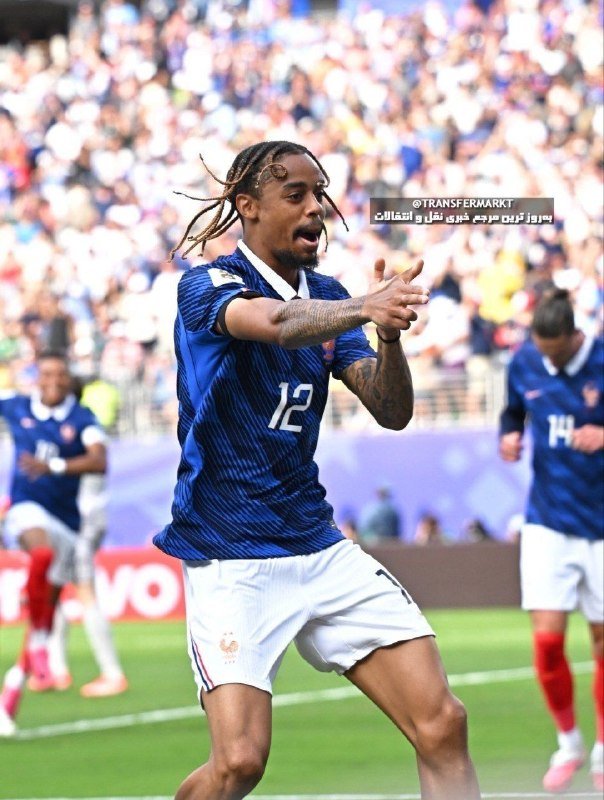
Arsenal expect to learn the severity of William Saliba's back problem within days, after the centre-back reported back to London Colney on 17 July following France's run to the World Cup semi-finals. The club's medical staff will scan the defender this week and have not ruled out surgery as a treatment path, according to a 16 July report from BBC Sport.
The case is not yet a transfer story, but it is already a squad-planning story. Saliba is central to Arsenal's defensive structure and to any meaningful title challenge next season. A back complaint severe enough to require surgical discussion, sustained in tournament play, lands on the eve of pre-season and forces immediate choices about rest, recruitment and risk.
What Arsenal know, and what they do not
The 16 July BBC Sport brief is short on medical detail by design. It confirms that Saliba suffered a back injury while on World Cup duty and that Arsenal will assess him once he is back at the club, with surgery described as an option rather than a certainty. That is the entire empirical base: a return date for imaging, an acknowledgement that an operation is on the table, no public timeline for either.
A parallel rumour circulating in the Premier League channel of Telegram on 17 July adds that the issue was sustained during the semi-finals, with France head coach Didier Deschamps referenced as the source of the disclosure. The post carries a "treat as rumour" caveat from the channel itself. Monexus has not independently confirmed the semi-final origin of the injury, or that Deschamps spoke publicly about it. Arsenal's own communications have been limited to the line reported by BBC Sport.
That asymmetry is worth flagging. The substantive claim about surgery being an option is sourced to the club's own stance, via a wire reporter. The semi-final timing and the Deschamps quote are sourced only to a social channel and remain unverified.
Why the conservative reading wins
Back injuries in elite centre-backs are not headline news unless they linger. Saliba's value lies in availability as much as ability: Arsenal's title challenge next season depends on a settled central pairing, and a defender who can play 50-plus games a season is a luxury asset in modern squad economics. A six-week lay-off for a muscle strain is manageable. A surgical intervention, if it comes, is closer to three months out.
There is also the small matter of priorities. If the scan confirms a stress response or a disc issue, the rational medical call is surgery now, in pre-season, rather than a season-long drip of recurrences. If it confirms a soft-tissue strain, the rational call is rest and a controlled return. The two paths look superficially similar to a public used to injury disclosures, but they carry very different consequences for squad planning, the transfer market and the early fixtures of Arsenal's Premier League campaign.
The conservative reading of the club's own statement is that Arsenal are not panicking and have not pencilled the player in for an operation. They are keeping the option open because the scan results have not been read. That is the standard playbook for player-management in July.
The transfer-market undercurrent
A back injury to a first-choice centre-back, even a precautionary one, has a way of sharpening recruitment thinking. Arsenal went into the summer short of proven central-defensive cover after Tomiyasu's earlier fitness issues and Calafiori's adjustment period, and any extended Saliba absence at the start of the season will push the defensive numbers thinner than Mikel Arteta would like.
This is the structural backdrop against which to read the next ten days. If the scan clears Saliba cleanly, Arsenal will likely hold their nerve on a centre-back signing and spread any remaining budget toward a wide forward or a number-eight. If it does not, expect the club to accelerate on a shortlist that has reportedly included younger profiles with resale value. The causality is not a secret; it is the basic calculus of squad economics at the top end of the Premier League.
What to watch by 25 July
The pivotal information is binary. Arsenal will either confirm that Saliba has avoided surgery and set out a return-to-training timeline, or they will confirm an operation and give a longer absence window. Until one of those two announcements lands, the story remains a scheduling problem in search of a fixed point. The decisive date is the day after the scan is read.
A second, softer variable is the Deschamps angle. If the France head coach does speak publicly about the player at his next press conference, the official version of how and when the injury was sustained will harden, and the rumour channel can be retired. If he does not, the uncertainty around the semi-final timing persists. Neither variable is dispositive on its own. Together, they will frame the story by the time Arsenal fly for their pre-season tour.
For Arsenal, the next week is a waiting game with a medical bill attached. For everyone else, it is a reminder that the most expensive centre-backs in the world are also the most fragile, and that the gap between a clean diagnosis and an operating theatre is narrower than the press releases suggest.
Desk note: Monexus treated the BBC Sport report on the club's position as the primary source and the Telegram channel's semi-final timing and Deschamps attribution as an unverified rumour, in line with the channel's own caveat.
Wire provenance
This editorial synthesis draws on the following public wire/social posts:
- https://t.me/Premier_League/17730