Iran hits Kuwaiti desalination, power and oil sites as Gulf standoff widens
Kuwait says Iranian drones destroyed a desalination plant, damaged a power station and set fires at a major Kuwait Oil Company site, escalating a Gulf confrontation beyond the usual Strait of Hormuz theatre.
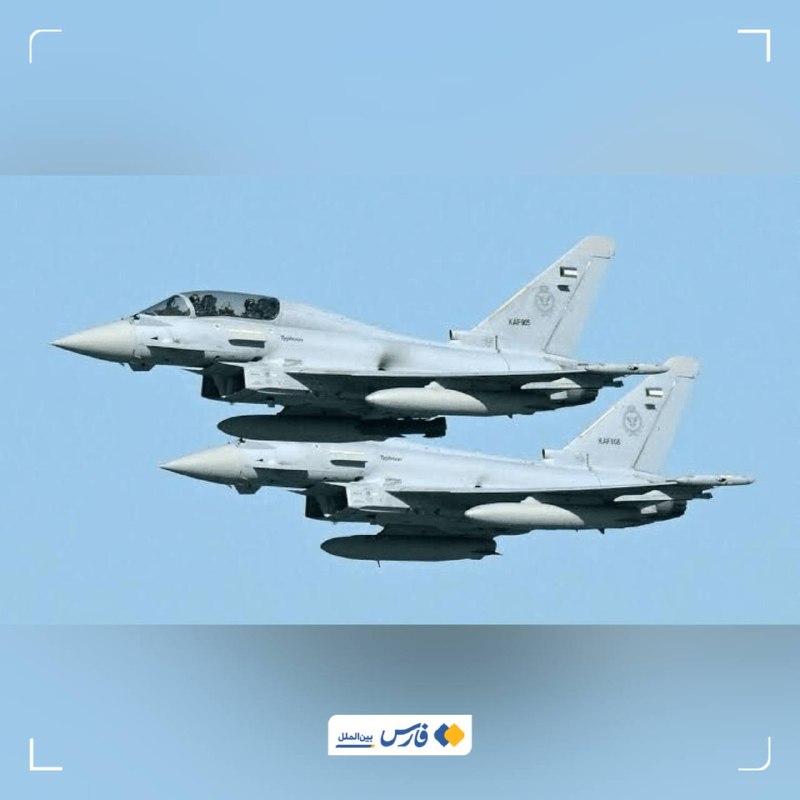
On 18 July 2026, Kuwait's government publicly confirmed that Iranian forces destroyed a second water desalination plant and damaged a power station, a day after drone strikes on state oil facilities triggered fires and what the Kuwait Oil Company described as heavy losses. The announcements, carried by regional outlets between 09:59 UTC and 10:24 UTC, mark a sharp escalation in a confrontation that until recently had played out mostly in the narrow waters of the Strait of Hormuz and the airspace of the northern Gulf.
What is new is not the targeting of Gulf critical infrastructure, but the combination: drinking water, electricity and hydrocarbons hit in a single news cycle, inside a state that has spent decades trying to stay out of the front line between Tehran and Washington. The episode reframes the Iranian file from a sanctions-and-enforcement story into a civilian-protection story, with consequences for shipping insurance, GCC defence burden-sharing and the politics of any future negotiation.
What Kuwait actually said
The first confirmation came through the Telegram channel Middle East Spectator at 09:59 UTC on 18 July: Kuwait had announced that Iran "targeted and destroyed another water desalination plant" and that a second power plant had also been hit and damaged. A follow-up post eight minutes later added a further claim that multiple facilities had been struck in the same wave.
The economic damage landed an hour later. At 10:17 UTC, the Iranian outlet Tasnim News English reported, citing the Kuwait Oil Company, that "the country's oil facilities were targeted by Iran's drone attacks and suffered a fire and extensive damage," and that the company had recorded heavy losses. Tasnim is an Iranian state-affiliated outlet and the framing should be read as a Tehran-aligned account of a strike carried out by Iranian forces; the underlying Kuwaiti corporate confirmation is what carries weight. At 10:24 UTC, Iran's Mehr News carried a similar line: "This morning, an important oil center was attacked by Iran and a lot of damage was done to it."
What the wire chain does not yet say is which oil centre, which field, or what share of national output is offline. Kuwait's Ministry of Energy and the Kuwait Oil Company had not, at the time of the Telegram posts, published a public incident report with figures.
Why the target list matters
Desalination and power are not symbolic targets. Kuwait draws the overwhelming majority of its drinking water from seawater desalination, and any sustained loss of generation capacity quickly feeds back into the desalination chain, which is one of the most energy-intensive industrial processes on earth. A successful drone strike on a desalination plant is, in plain terms, a strike on a population's tap water.
Striking the oil sector alongside water and power also closes off the obvious diplomatic off-ramp. In earlier rounds of Gulf tension, Tehran and its proxies have signalled leverage through the Strait of Hormuz, where disruption is reversible, deniable and aimed at third-party shipping. Hitting Kuwaiti crude infrastructure on Kuwaiti soil is not reversible in the same way. The fires reported at the Kuwait Oil Company site, if confirmed at scale, will take weeks rather than days to remediate, and the insurance and offtake consequences will outlast the news cycle.
The combined target set, water, electricity, oil, also strips the GCC of its preferred division of labour. Gulf states have long differentiated between "defence" spending on platforms and bases and "sovereign-wealth" spending on domestic transformation. A drone campaign that disables civilian utilities forces the conversation back onto air defence, early warning and the credibility of US extended deterrence, the exact conversation Gulf monarchies have tried to avoid for two decades.
The framing contest
Coverage in the Iranian outlets is doing what state-aligned coverage typically does in wartime: it presents the strikes as retaliation, asserts heavy costs on the adversary and avoids any language that might draw in a wider coalition. The Mehr News line, that "an important oil center was attacked by Iran and a lot of damage was done to it," is, in this reading, a press release rather than a report. Tasnim, which has institutional weight inside the Islamic Republic, frames the Kuwait Oil Company as the source but routes the framing through Iranian state media, leaving the editorially independent confirmation in Kuwait itself undersourced.
The Western wire services, in turn, have so far treated the story with caution. The Telegram-sourced reporting is the only public confirmation of the strikes' sequence, target list and attribution in the time window covered here. Readers looking for a Reuters, AP, BBC or Guardian line on which facility burned, how much crude is offline, and whether Kuwait has formally invoked Article 51 of the UN Charter, will not find it yet. The risk of an editorial line that runs ahead of the receipts is real; the risk of an editorial line that waits for a Western wire to confirm what a Gulf state and a major oil company have already stated is also real.
What to watch next
Three filings will tell us whether 18 July 2026 is a discrete episode or the opening of a campaign. First, the Kuwait Oil Company incident report: a dated production-loss number, even an interim one, will convert the Telegram reporting into a hard market signal and will move Brent and the Dubai benchmark on the next open. Second, a Kuwaiti Ministry of Foreign Affairs statement attributing the strikes and naming the response; this is the document that turns the story from a regional crisis into a test of the US-GCC mutual-defence compact. Third, a UN Security Council briefing request, which would draw in Russia and China as guarantors of the 2015 nuclear framework and as trading partners of Kuwait's oil sector.
A judgement now: the dominant framing across Western outlets is likely to be "Iran escalates against a neutral Gulf state," which is supported by the source material. A competing framing, that the strikes are a response to a specific prior incident (an Israeli action in Lebanon, a US action in Iraq, a sabotage at an Iranian facility), is not yet in the public record and should not be asserted. The structural point that does hold is that the Iranian file has moved from a sanctions-and-enforcement story, where the relevant experts are nuclear inspectors and sanctions lawyers, into a civilian-protection story, where the relevant experts are air-defence commanders, water utility operators and insurance underwriters. That is a different kind of crisis, and it does not end on the same diplomatic timetable.
Desk note: this article relies on Telegram-sourced reporting from Middle East Spectator, Tasnim News English and Mehr News in the absence of mainstream wire confirmation. The strikes' full target list, casualty count and production impact remain unconfirmed by independent sources at the time of publication. Where the Iranian state-aligned outlets provided framing, this publication has separated the underlying Kuwaiti institutional confirmation from the Tehran-aligned narration around it.
Wire provenance
This editorial synthesis draws on the following public wire/social posts:
- https://t.me/Middle_East_Spectator
- https://t.me/tasnimnews_en
- https://t.me/mehrnews
- https://en.wikipedia.org/wiki/Kuwait
- https://en.wikipedia.org/wiki/Strait_of_Hormuz