Galaxy Digital plants a flag in West Texas as crypto's stadium era accelerates
Galaxy Digital's 15-year naming-rights deal for Texas Tech's football stadium lands the same week Hyperliquid's co-founder calls for more entrepreneurial talent, and India discloses $2.1 billion in verified user assets.
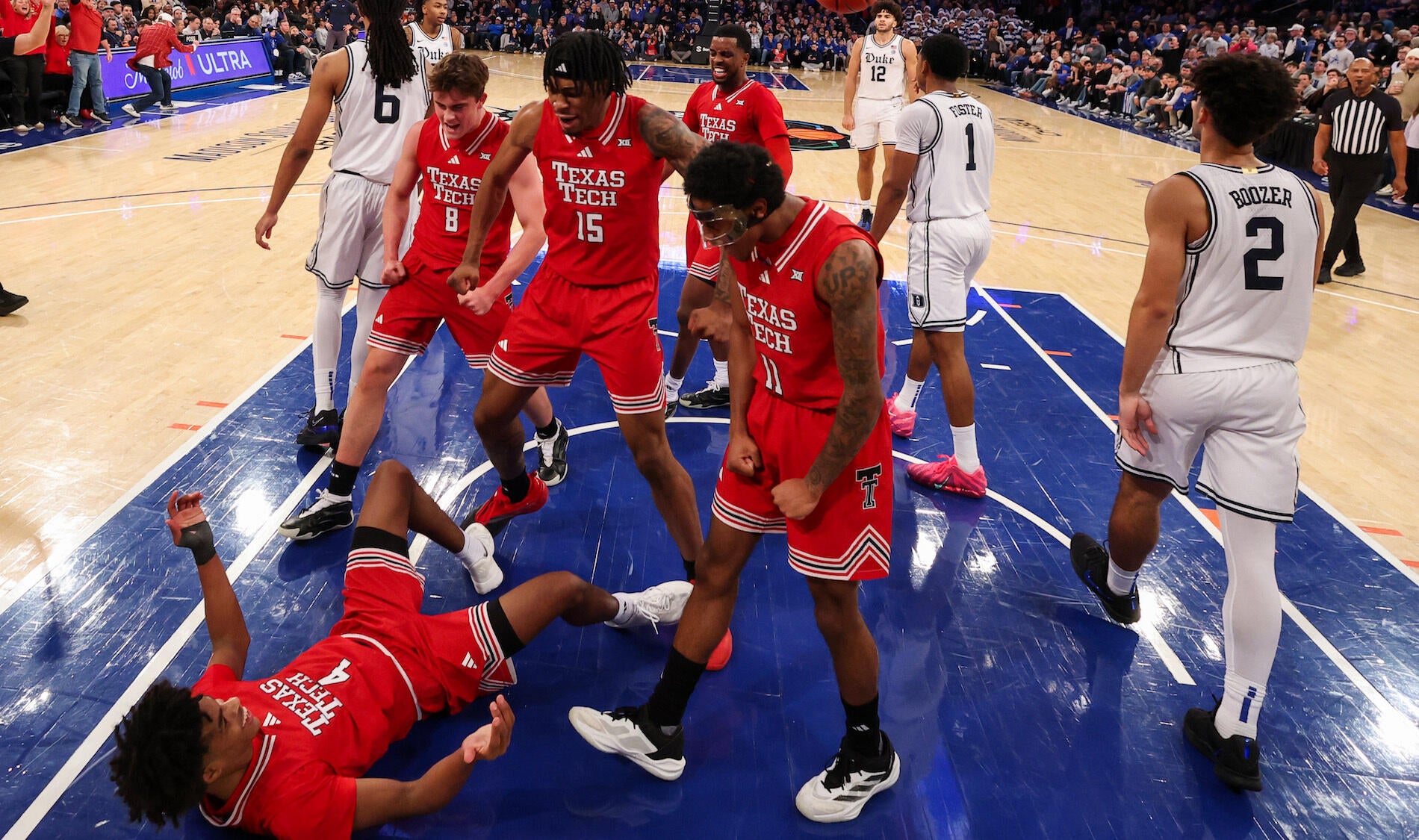
On 17 July 2026, Galaxy Digital agreed to put its name on Texas Tech University's football home in Lubbock for the next fifteen years, the longest horizon yet for a publicly listed crypto firm buying its way into American college sport. The deal, confirmed in Cointelegraph's market wrap on 17 July at 20:03 UTC, extends Galaxy's West Texas footprint beyond its existing data-centre and mining exposure in the region.
The naming rights are a small line item in dollar terms relative to Galaxy's balance sheet, but a meaningful one in narrative terms. Crypto sponsorships have moved from novelty placement (patched jerseys, one-off arena nights) to multi-decade infrastructure: a stadium is a municipality's standing asset, and putting a brand on it for fifteen years is the kind of commitment that implies a long planning horizon, not a marketing experiment. The deal lands on the same week that Hyperliquid's co-founder, quoted in Cointelegraph on 18 July at 14:33 UTC, told a market audience that crypto still needs to attract "more high quality entrepreneurial talent" if it is to mature beyond its current institutional ceiling.
The new geometry of crypto sponsorship
Texas has spent three years constructing itself as the most permissive US state for crypto mining and treasury operations, and the sponsorship reflects that. Galaxy's stadium bet is a derivative trade on the same thesis: that the regulatory climate in Austin will keep favouring on-shore digital-asset infrastructure, and that brand visibility in a politically aligned state is worth more than the equivalent dollar placed in Manhattan or London. Texas Tech's enrolment of roughly 40,000 students gives the brand a captive audience, and Big 12 football gives it a national broadcast window every autumn Saturday.
The arrangement also marks a shift in what naming rights signal. A bank or an airline puts its name on a stadium to advertise a service. A crypto firm puts its name on a stadium to advertise a sector's legitimacy, a softer ask that pays off only if the broader market continues to accept tokenised assets as collateral, treasury reserves, and consumer products. That is a longer-duration bet than the fifteen-year contract itself.
The talent problem underneath the marketing
Hyperliquid's co-founder made the talent point explicitly on 18 July, and the stadium deal makes the gap concrete. Crypto now commands enough capital to bid for major American college assets, yet its leadership pipeline is still narrow, dominated by a generation of founders who cut their teeth between 2017 and 2021 and have not, by the company's own admission, been refreshed at scale. The sponsorship buys attention; the talent question asks whether the industry has the operational depth to convert that attention into durable products.
The worry is structural. A trading firm can hire from quantitative finance; a mining firm can hire from energy markets; a wallet company can hire from consumer software. The harder hires are the ones in between: compliance officers who understand both securities law and decentralised rails, treasury managers who can speak to stablecoin issuers and bank counterparties in the same meeting, product leads who can ship across twenty regulatory regimes at once. Until those roles fill, the industry's institutional surface area stays thinner than its marketing footprint.
India as the other data point
Three days earlier, on 15 July at 20:29 UTC, Cointelegraph reported that India taxes crypto gains at 30% with a 1% tax deducted at source, and that roughly 39 million verified users still hold about $2.1 billion in assets under that regime. The numbers matter because they reframe what "mature market" actually looks like. By user count India is among the largest retail crypto populations on earth; by deployed capital it is closer to a mid-tier European country. The 30% rate and the 1% TDS have, by most third-party readings, thinned transaction velocity without killing the user base.
That combination, mass adoption under punitive taxation, is the inverse of the American story Galaxy is playing into: thin user bases under permissive regulation. The two markets are not in competition so much as they are running parallel experiments on what shape the global retail crypto curve will take once it stabilises. Either the Indian user base persists at the current $50 average per verified account and the market there is effectively a savings vehicle, or the asset base rebuilds once the tax regime loosens, in which case the user base is dormant capital waiting for a policy signal.
Stakes and what to watch next
For Galaxy, the visible test is whether the stadium deal produces measurable brand lift among the cohort Texas Tech actually reaches: West Texas alumni, Big 12 broadcast viewers, and the political class in Austin. For the sector, the test is whether the sponsorship normalises crypto-native capital as a buyer of long-duration American cultural assets, the way private equity normalised itself through arena naming in the 2000s. If two more publicly listed crypto firms follow Galaxy into multi-decade naming deals within twelve months, the playbook is set and the asset class has crossed a threshold that no amount of SEC commentary can undo.
The honest uncertainty is on the talent side. Hyperliquid's co-founder named the problem on 18 July, and the sources do not specify a fix. There is no public data on how many mid-career operators from traditional finance have migrated into crypto in 2026 versus 2024, no agreed metric for what "high quality" looks like at the founder level, and no consensus on whether the shortage is a recruiting problem, a compensation problem, or a reputational one. Until those numbers exist, the industry's biggest balance-sheet bets will continue to outrun the bench depth behind them.
This publication frames the stadium deal as an institutional-legitimacy trade rather than a sponsorship story, on the read that naming rights are the cleanest available proxy for how long crypto-native capital plans to stay in US public life.
Wire provenance
This editorial synthesis draws on the following public wire/social posts:
- https://t.me/s/cointelegraph
- https://t.me/s/cointelegraph
- https://t.me/s/cointelegraph